
Who are we?
How does percussion influence a song’s dynamics?
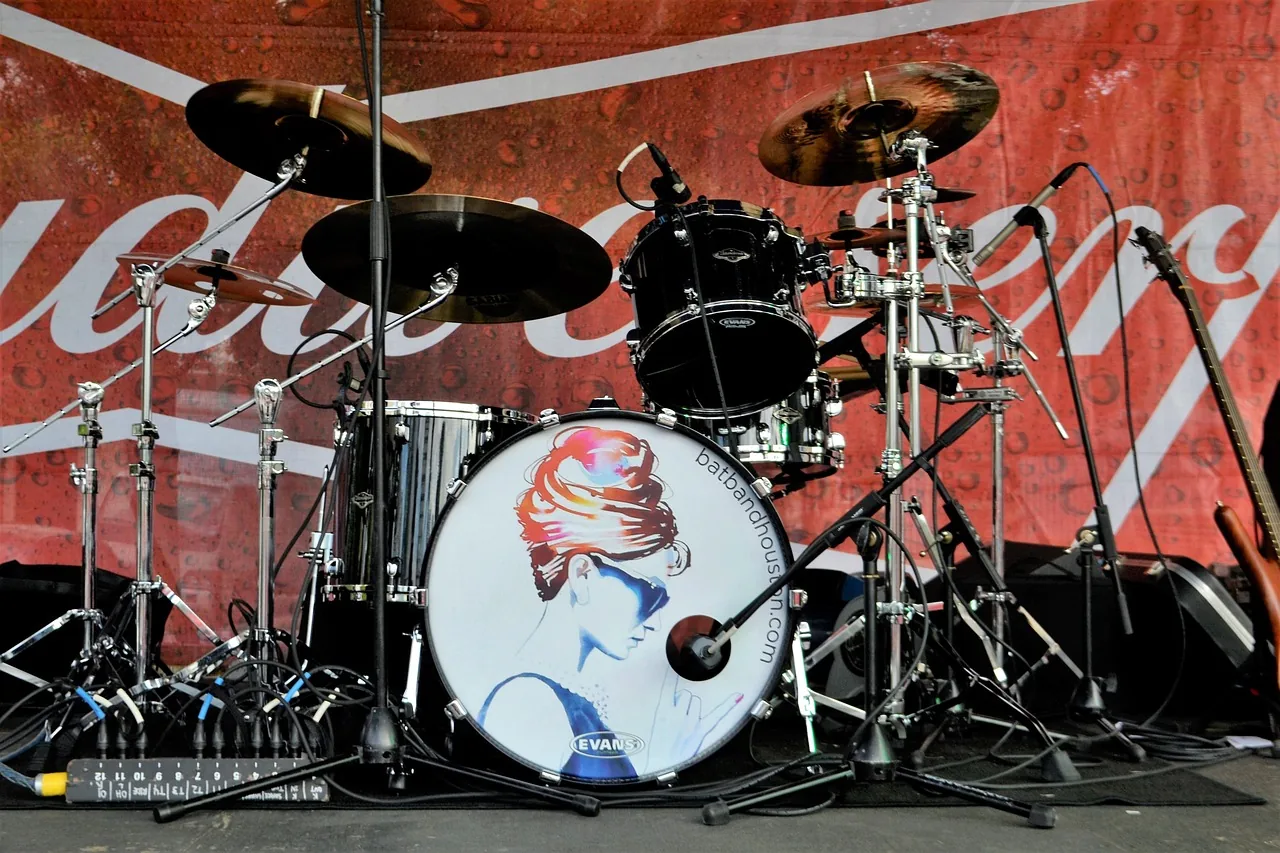
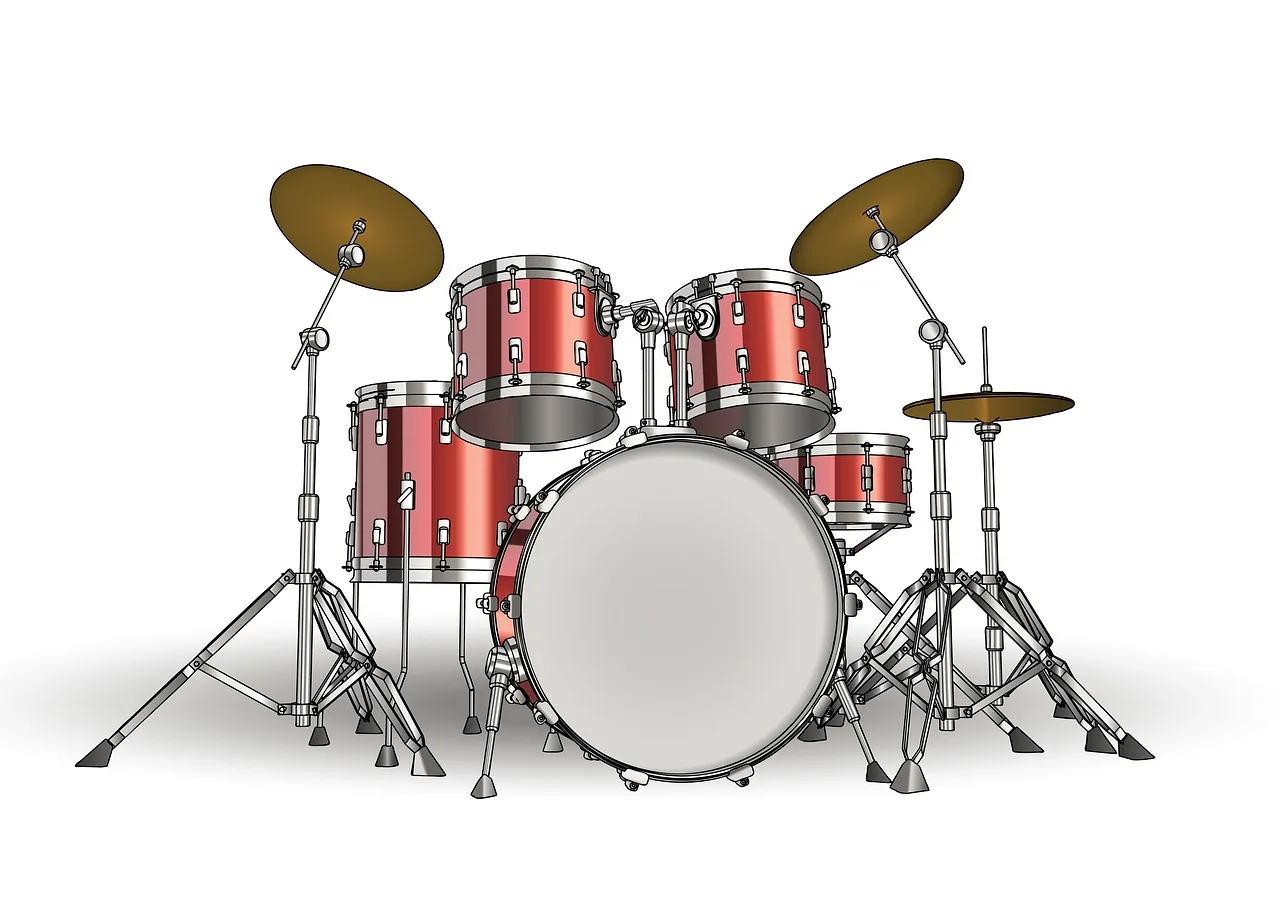
Percussion has a profound influence on a song’s dynamics, providing an essential rhythmic dimension that can transform the listening experience. Acting as the rhythmic engine, it establishes the tempo, creates patterns, and gives the music a fundamental structure.
First, percussion contributes to a song’s overall energy. Dynamic, driving percussion can create a sense of excitement, propelling the listener into an immersive experience. Variations in percussion intensity, whether powerful drumbeats or the nuances of light percussion, add subtleties that capture attention and strengthen the music’s emotional impact.
Percussion also plays a crucial role in creating contrasts and key moments within a song. Pauses, anticipated drum rolls, and well-placed percussive accents can mark important transitions, heighten suspense, and guide the listener through the composition’s different sections.
Percussion instruments are not merely accompaniments but major players in musical communication. They interact with other sonic elements, such as melody and harmony, establishing rhythmic connections that strengthen the cohesion of the whole. A well-crafted groove can define a song’s character and determine whether it inspires dancing, reflection, or pure emotion.
Percussion therefore shapes a song’s dynamics by breathing vitality into it, creating memorable moments, and forging a powerful connection between the music and the listener. Its versatility and ability to evoke emotions make percussion an essential element of musical composition, contributing significantly to a work’s overall impact.
How does rhythm influence our musical experience?
As a fundamental element of music, rhythm has a profound and pervasive influence on our listening experience. It acts as the heartbeat of a composition, guiding and regulating the musical flow to create an engaging and memorable experience.
First, rhythm establishes the tempo, the pulse of the music. A fast tempo can generate excitement and energy, often encouraging dance, while a slow tempo can evoke contemplation, melancholy, or solemnity. Rhythm thus becomes the emotional vehicle that colors the musical experience, creating an immediate connection between the composition and the listener.
Rhythm also influences the perception of time. Complex rhythms can challenge expectations, creating unexpected patterns that captivate the ear and stimulate interest. Conversely, simple, regular rhythms can induce a sense of stability, making music easier to access and understand.
Rhythm also contributes to musical structure by organizing the different sections of a composition. Rhythmic variations mark transitions between verses and choruses, giving the piece narrative cohesion. Pauses and syncopations create moments of tension and release, adding a subtle yet crucial dynamic to the musical experience.
Finally, rhythm forges a physical connection with music. It often prompts the body to react involuntarily, whether by tapping a foot, nodding the head, or simply moving with the beat. This bodily interaction deepens the listener’s immersion, transforming passive listening into a participatory, sensory experience.
Rhythm is therefore a central pillar that shapes our musical experience. Its ability to evoke emotions, structure a composition, and physically engage the listener makes it essential to fully understanding and appreciating the richness of music.

How does the choice of instruments affect sound quality?
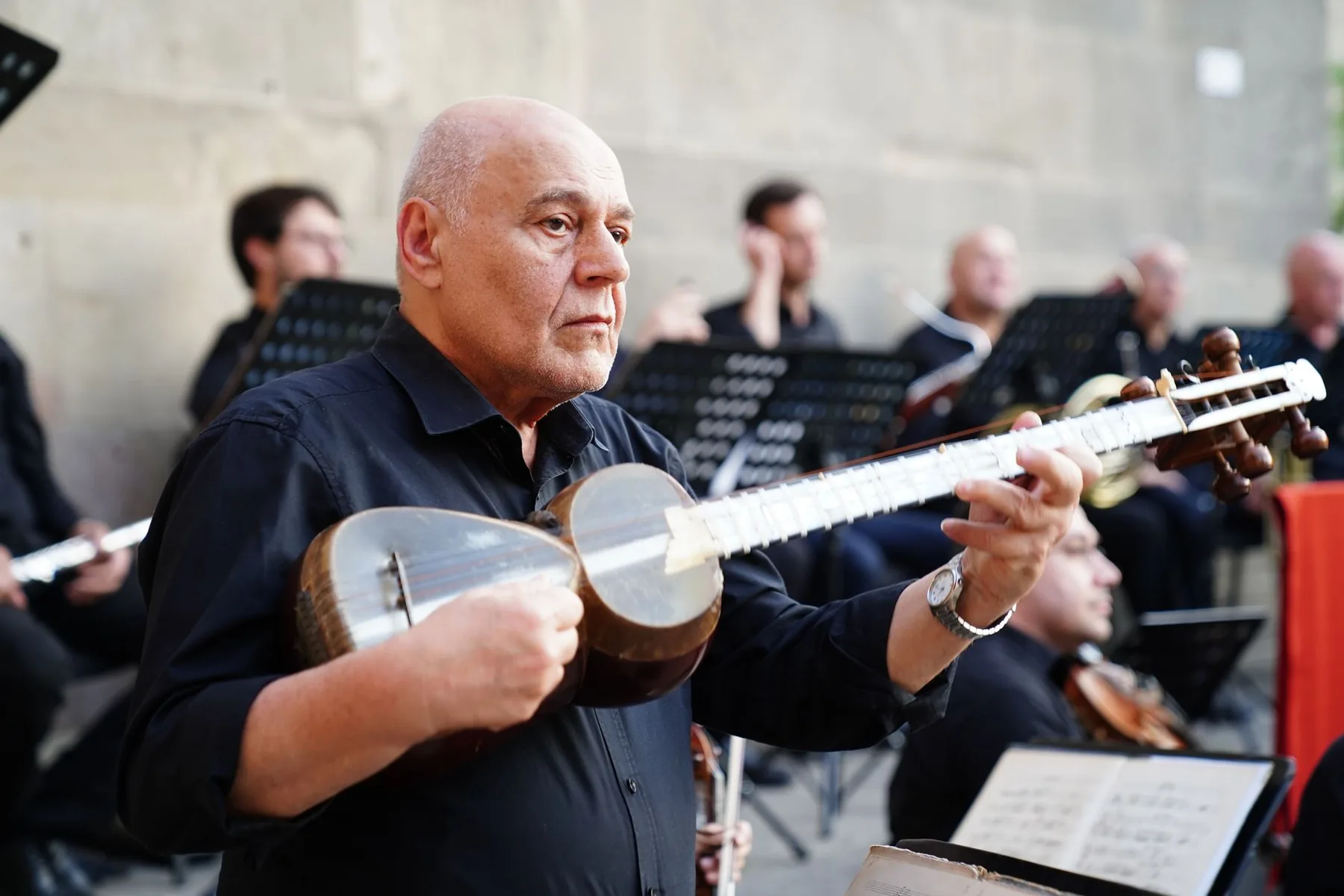
The choice of instruments has a significant impact on the sound quality of a musical composition. Each instrument has unique sonic characteristics that help shape the piece’s overall aesthetic. String instruments, for example, offer distinctive harmonic richness and melodic expressiveness, while wind instruments provide a variety of timbres and textures. Finally, world instruments, some models of which are available on this site https://instruments-du-monde.com/en-us/, offer a wide variety of exotic sounds. There you will find kalimbas, Tibetan singing bowls, and Panda Drums, a brand of tongue drums.
Orchestration—the specific arrangement and combination of instruments—plays an essential role in sound quality. Skillful orchestration can create dynamic contrasts, balance sound frequencies, and exploit complementary timbres, thereby contributing to a rich and balanced listening experience.
Moreover, modern technology has expanded sonic possibilities with the introduction of electronic instruments and synthesizers. These instruments offer an extended sound palette, allowing composers to explore innovative sounds and push the boundaries of sonic creativity.
In summary, the careful choice of instruments and their arrangement in a thoughtful orchestration are crucial in determining a composition’s sound quality. This choice goes beyond the mere reproduction of notes and profoundly influences the music’s emotion, texture, and overall impact on the listener.