
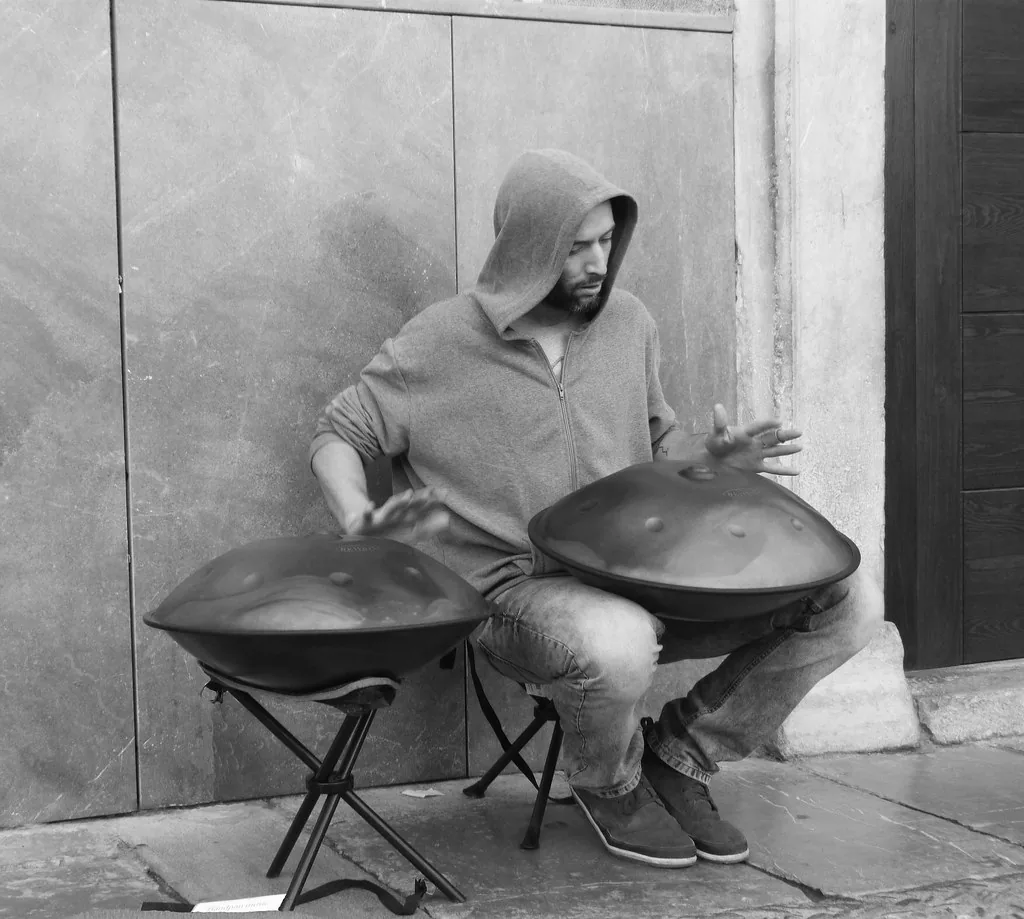
The handpan is a fascinating and mesmerizing musical instrument that emerged in the 2000s. Its popularity rose quickly, particularly in France, where handpan culture is flourishing thanks to many talented craftspeople.
Buying a handpan in France offers the advantage of high-quality customer service. Enthusiasts can receive personalized advice, making the purchasing experience even more rewarding.
This comprehensive guide will help you explore the different options available. You will discover local makers, specialist shops, and online platforms. It is essential to choose your instrument carefully, taking criteria such as price, scale, and materials into account.
We invite you to explore the richness of the French handpan scene. Whether you are a beginner or an experienced musician, this structured guide will lead you toward the ideal choice for your needs and budget.
1. Introduction to the handpan: the instrument’s origins and distinctive features
This fascinating musical instrument, created in the late 1990s, has captured the hearts of many music lovers. It was created in Switzerland through a collaboration between two musicians fascinated by the unique sounds of the Caribbean steel drum and the Indian ghatam. “Music is the language of the soul,” and this instrument beautifully illustrates that idea.
Initially known as the hang drum, the instrument evolved into the handpan, a term that emerged as it became widely known around the world. In 2005 and 2006, PANArt was the only maker offering the instrument, but demand was so high that buyers had to send a letter explaining their motivation and sign an anti-speculation clause. This helped preserve the instrument’s authentic spirit and prevent it from being resold at exorbitant prices.
The handpan’s tones are both clear and crystalline, creating soothing music that anyone can enjoy, even without previous musical knowledge. Its structure makes it possible to produce relaxing notes, creating an accessible and rewarding musical experience.
This instrument is easy to carry and can be played in public without disturbing people nearby, thanks to its soft, gentle timbre. It is also used in many different settings, including music therapy, where it is valued for its calming qualities. It appeals to beginners and more experienced musicians alike, allowing everyone to immerse themselves in its musical world.
The handpan’s growing popularity around the world, particularly in France, reflects the rise of this unique instrument. To learn more about its impact and uses, read this article about handpan music.
2. Why buy a handpan in France?
The French music scene is buzzing thanks to the rise of this captivating instrument. The phenomenon has created a dynamic community of enthusiasts and craftspeople, making France an excellent place to discover the handpan.
2.1. The growth of handpan culture in France
Handpan culture has grown considerably in France. Many talented craftspeople now specialize in making these instruments. Their expertise contributes to the country’s international reputation in this field.
The community of enthusiasts continues to grow, encouraging connections and gatherings centered on this unique instrument. Events, workshops, and festivals all provide opportunities to discover its sounds and playing techniques.
2.2. Benefits of buying locally: advice and customer service
Buying a handpan locally has many advantages. First, you can test instruments before making a commitment. This allows you to assess their sound quality and how each one feels to you personally.
Accessible local customer service is another major benefit. Craftspeople and shops provide personalized advice suited to your ability and needs. You can ask all your questions in French, making communication easier.
Customers and makers can readily build relationships based on trust. This encourages long-term support that extends well beyond the initial purchase. Meeting makers directly at events or in their workshops also enriches the buying experience.
| Benefits of buying locally | Details |
|---|---|
| Testing instruments | Assess the sound quality and feel before buying. |
| Personalized advice | Tailored to your ability and specific needs. |
| Easy communication | Discuss your questions clearly in French. |
| Relationships built on trust | Ongoing support from local craftspeople. |
| Immersive experience | Meet makers at events. |
3. The best handpan makers in France
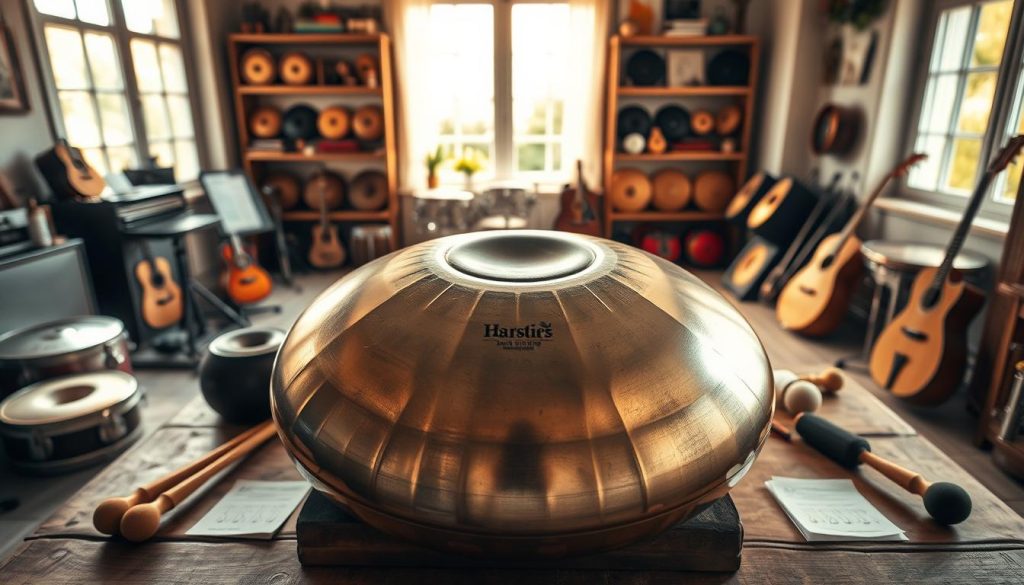
France has an impressive variety of craftspeople specializing in the production of this unique instrument. Each brings a personal touch through the materials or manufacturing techniques they use. Let’s look at some of the leading makers who stand out in the market.
3.1. Leading craftspeople and their specialties
First, Paris-based ZenaPan is known for its exceptional value for money. This maker offers a range of customized handpans suited to musicians of every ability. Its models are designed to deliver a rich and immersive sound experience.
Next, Echo Sound Sculpture in Toulouse specializes in a variety of tunings. This selection allows musicians to explore a broad palette of sounds and musical moods. The craftsperson’s instruments are often prized for their versatility.
Finally, Bali Steel Pan in Marseille stands out for the high quality of its products. Discerning musicians particularly appreciate these handpans, which meet demanding performance standards.
3.2. Comparing ranges, prices, and production times
To better understand the available options, let’s examine the prices and production times of different makers. The following comparison table will help you make an informed choice:
| Maker | Location | Specialties | Price range (€) | Production time |
|---|---|---|---|---|
| ZenaPan | Paris | Best value for money | 1,200 to 1,800 | 30 days |
| Echo Sound Sculpture | Toulouse | Varied tunings | 1,500 to 2,200 | 6 weeks |
| Bali Steel Pan | Marseille | High quality | 2,000 to 3,000 | 8 weeks |
| Baopan | Morbihan | Handcrafted production | 1,500 to 2,000 | 15 days |
| Metalsounds | France | Precise tuning | 1,500 to 2,000 | 20 days |
Prices vary according to the model and its quality. Entry-level handpans such as those made by Sela start at €700, while premium models can cost more than €3,000.
Production times can also vary. Some makers, such as Namipan, deliver in less than 15 days, while others, such as Pantheon Steel, may require more than a year. It is therefore advisable to contact makers directly, ask about their working methods, and listen to recordings of their instruments before placing an order.
Finally, take the time to choose the right maker. Each craftsperson has a distinctive style and individual sound characteristics, which influence the music’s final result. Explore the subject further by visiting the Ederod website, run by a French handpan maker offering unique, customized models.
4. Specialist shops and physical retailers in France
Discovering a unique instrument often involves an enriching shopping experience. Several shops in France stand out for their handpan selections and personalized services. Here is an overview of the best available options.
Recommended shops and instrument selections
Among the essential shops, ZenaPan stands out. Although it operates mainly online, it gives customers access to expert advice. Its extensive handpan range allows customers of every ability to find suitable models.
Next, Cultura is a physical store offering handpans made in Asia. It is an excellent option for anyone who wants to see and test an instrument before deciding, especially when budget is an important consideration.
The Baopan shop in Morbihan specializes in handmade handpans. It offers a selection of expressive instruments that customers can test on site, providing an immersive purchasing experience.
Finally, La Baguetterie is a leading store offering several brands, including Meinl, Schlagwerk, Sela, and Metalsounds. This makes it possible to compare different models and choose the one that best meets your expectations.
Additional services: lessons, workshops, and instrument trials
Some shops, such as SteelPlay in Bordeaux, go beyond simply selling instruments. They offer workshops and lessons on how to play the handpan. This is an excellent way for beginners to discover this fascinating instrument.
Testing instruments in a store is crucial. It allows you to assess sound quality, sustain, resonance, and playing comfort. These factors are essential for making an informed choice before buying.
The lessons and workshops available at these specialist shops provide a valuable opportunity. Customers can receive advice from experienced musicians and consult handpan experts, helping them choose the model best suited to their ability.
It is advisable to visit several shops to compare their selections, prices, and services. This ensures a complete and satisfying buying experience, which is essential when searching for the right model.
| Shop | Location | Specialties | Additional services |
|---|---|---|---|
| ZenaPan | Online | Extensive handpan range | Expert advice |
| Cultura | Physical store | Handpans made in Asia | Try before buying |
| Baopan | Morbihan | Handmade handpans | Instruments available to test on site |
| La Baguetterie | Leading store | Brand comparisons | Access to various models |
| SteelPlay | Bordeaux | Workshops and lessons | Learning to play the handpan |
5. Buying a handpan online in France: opportunities and precautions
Buying a handpan online can be both practical and accessible. The internet gives you access to an extensive selection of handpans from various makers and specialist shops. You can compare prices and discover different models without leaving home.
5.1. Reliable platforms and selection criteria
Choosing reputable websites is essential for a successful online purchase. Here are a few criteria to consider:
- Official maker websites: ZenaPan, Baopan, and Metalsounds are reliable examples.
- Specialist shops: look for businesses known for their professionalism and customer service.
- Payment terms: make sure they are clear and secure.
- Return policy: check that it is fair if a problem arises.
5.2. Tips for assessing reviews and quality remotely
Before buying, it is crucial to read other customers’ reviews. Here are some tips for assessing an instrument’s quality remotely:
- Listen carefully to the demonstration recordings available on the websites.
- Compare several recordings of the same model to assess it more accurately.
- Visit specialist forums to read feedback from experienced musicians.
It is also advisable to contact the seller directly with precise questions about technical specifications, delivery times, and the warranties provided. This will help you make an informed decision.
Finally, remember to check the secure-payment terms and legal notices on the website before completing your order. People looking for used handpans may find platforms such as Le Bon Coin or specialist Facebook groups useful, but they should be particularly careful about the instrument’s condition.
6. Essential criteria for choosing a quality handpan
Choosing a musical instrument can seem complicated, especially when it is such an unusual model. Several criteria should be considered to ensure a wise purchase. Let’s examine the key factors to consider when making your choice.
6.1. Price and its effect on sound quality
A handpan generally costs between 1,000 and 3,000 euros. To obtain a quality model, it is essential to spend at least 1,000 euros. Below this price, the sound quality may be disappointing. Inexpensive instruments are often more decorative than functional and deliver an unsatisfactory musical experience.
6.2. Scale and number of notes: which should you choose for your ability?
The musical scale plays a crucial role in the resulting sound. Several options are available:
- Major scale: ideal for a positive mood.
- Minor scale: perfect for melancholy music.
- Eastern scale: for exotic sounds.
Beginners are advised to choose a minor scale, such as D minor, because it is very accessible. The options for the number of notes are:
- 9 notes: for beginners, with 8 notes plus the central ding.
- 10 notes: for intermediate musicians.
- 17 notes: for experts, often distributed across both sides.
6.3. Materials used: nitrided, stainless, or raw steel
Materials also influence the instrument’s sound quality and maintenance requirements. The main types are:
- Nitrided steel: produces a powerful sound with short sustain but requires regular maintenance.
- Stainless steel: offers long sustain and resists corrosion, reducing maintenance.
- Raw steel: less common, with sound properties that are often less appealing.
6.4. Choosing a resonance frequency for your musical needs
Resonance frequency is another factor to consider. Two frequencies are commonly used:
- 432 Hz: often associated with relaxation and meditation, it is ideal for solo playing.
- 440 Hz: the standard used for playing in a group, preventing the instrument from sounding out of tune.
Interestingly, the 432 Hz frequency is sometimes said to be in harmony with the Earth’s vibrations.
Before choosing your instrument, take the time to define your needs: will you play alone or in a group? What is your budget? What musical standard would you like to reach? These questions will help you make an informed choice.
| Criteria | Details |
|---|---|
| Price | €1,000 to €3,000 for a quality instrument. |
| Scale | Major, minor, or Eastern, depending on the desired mood. |
| Number of notes | 9 for beginners, 10 for intermediate musicians, and 17 for experts. |
| Materials | Nitrided, stainless, or raw steel. |
| Frequency | 432 Hz for meditation and 440 Hz for group playing. |
7. Events and festivals in France: testing and discovering the handpan
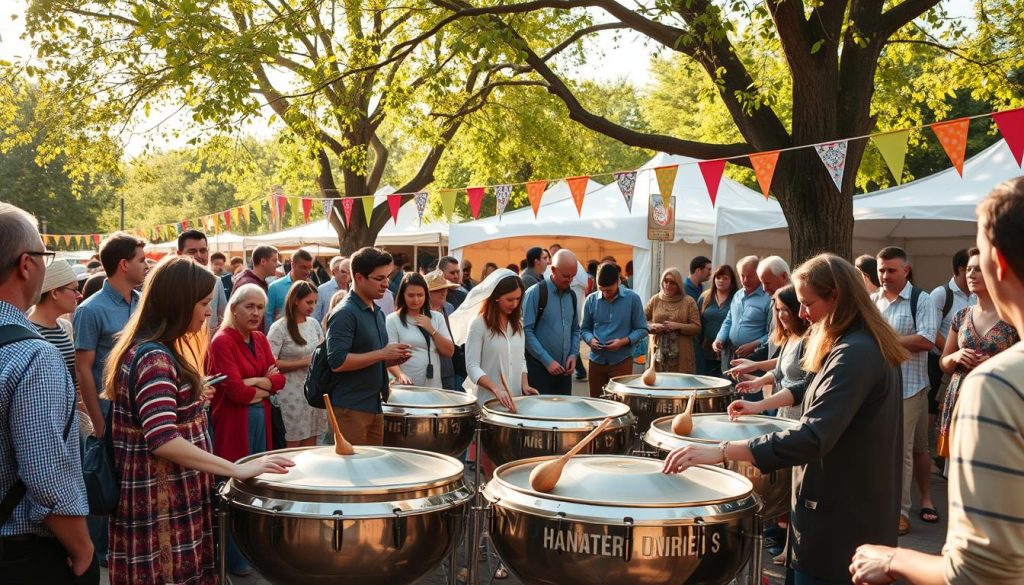
Festivals dedicated to this captivating instrument are ideal opportunities to immerse yourself in its musical world. Several events are held in France every year, allowing enthusiasts to meet makers and try different models.
Overview of the leading festivals and gatherings
The Paniverse Festival in Lyon is an essential event. This festival is entirely devoted to handpans and features concerts, sales booths, and workshops. It attracts enthusiasts from across France and even elsewhere in Europe.
Next, the Handpan Gathering in Marseille is a friendly get-together. Players and makers meet there to share their passion. Attendees can try numerous instruments in a relaxed and collaborative atmosphere.
Finally, the Handpan Festival in Paris is an annual event bringing together people who love this instrument. It offers concerts, masterclasses, and opportunities to meet renowned craftspeople.
Benefits of meeting makers and experts
These events offer unique advantages. Attendees can test dozens of different handpans in a single day. This lets them compare sounds and find the instrument that perfectly matches their expectations.
They also provide an exceptional opportunity to meet makers directly. Attendees can discuss their working methods, materials, and scales with them. Some may even place an order at the event.
Festivals also provide access to experts and experienced musicians. They share their advice, tips, and passion during workshops and demonstrations held throughout these events.
The unique atmosphere of these gatherings, where handpan music creates a welcoming spirit of sharing and goodwill, encourages conversation and discovery. Used handpans can also sometimes be found at attractive prices, making them a good option for buyers with limited budgets.
We encourage you to check festival calendars and book your tickets in advance. These events are becoming increasingly popular and attract larger audiences every year.
8. Practical tips for successfully buying your handpan
Purchasing a new instrument can be a rewarding adventure, but it requires proper preparation. Following a few practical tips is essential if you want to get the most from your buying experience.
8.1. Try before you buy: where and how?
Testing a handpan before completing your purchase is crucial. It allows you to assess subjective criteria such as touch, resonance, and sustain. Here are some suggestions for trying this instrument:
- Visit specialist shops that offer on-site trials.
- Attend festivals and gatherings, such as the Handpan Festival, to try different models.
- Contact makers directly to arrange an appointment at their workshop.
During a trial, be sure to ask about the origin of the materials, the manufacturing method, and whether the instrument can be retuned later. This will give you a better idea of its quality.
8.2. Using online resources: videos, reviews, and comparisons
Online resources are also very useful when making your choice. Here are some tips for using them effectively:
- Watch demonstration videos on YouTube to compare the sounds of different models.
- Read reviews and testimonials on specialist forums and Facebook groups to gather genuine feedback.
- Study online comparisons, such as Master The Handpan’s buying guide, which lists dozens of makers with their prices and distinctive features.
It is important to check the credibility of online reviews. Prioritize feedback from recognized musicians and be wary of fake reviews and sponsored content.
Finally, take your time to make the right choice. Buying a handpan is a significant investment that deserves careful thought and multiple trials.
| Criteria | Details |
|---|---|
| In-store trial | Test the instrument in person to assess its sound quality. |
| Questions to ask | Origin of the materials, manufacturing method, and warranty. |
| Online resources | Demonstration videos, forum reviews, and comparisons. |
| Review credibility | Check the date and level of detail in testimonials. |
| Take your time | Think carefully before buying to make an informed choice. |
9. Conclusion: finding and buying the ideal handpan in France
Investing in an instrument such as a handpan is a rewarding adventure. Whether you choose to buy from a reputable maker, a specialist shop, or online, each option has its advantages. Take the time to compare models, listen to recordings, and, if possible, try the instruments before completing your purchase.
France’s handpan community is dynamic and provides access to lessons and workshops that enrich your musical experience. For people with a limited budget, the used market, particularly Le Bon Coin, can be an excellent solution. Bear in mind that prices range from €800 to €3,000 depending on quality and specifications.
In short, this instrument can accompany musicians for many years, bringing them well-being and creativity. Explore the available options and embark on this wonderful musical adventure.