

The acoustic drum kit is a popular musical instrument, but it can be very loud. Whether you are a beginner or an experienced drummer, you may know that noise is a common problem with acoustic drum kits. Fortunately, there are ways to reduce the volume of your drum kit while preserving its sound quality. In this article, we will explore various methods and tips for reducing the noise of an acoustic drum kit and helping you create a more peaceful practice environment.
Reducing Drum Noise
The excessive noise produced by an acoustic drum kit can be very disruptive, especially for drummers who practice at home. Fortunately, there are several techniques and tips for reducing drum noise and creating a quieter practice environment.
Drum-Muffling Techniques
One of the most common techniques for lowering the volume of a drum kit is muffling. This method involves using insulating materials to dampen vibrations from the drum shells, thereby reducing the noise produced.
There are many ways to muffle a drum kit, from commercially available drum pads to towels and blankets. Bass drums, in particular, are often muffled with a cushion or pillow to dampen vibrations. By experimenting with different levels of muffling, you can find a balance between a controlled drum sound and a quieter environment.
Drum-Tuning Techniques
Another way to reduce the volume of a drum kit is to experiment with different tunings. By tuning the drumheads to different tensions, you can reduce their resonance and thereby lessen the noise.
In general, a lower tuning will produce a duller, more controlled sound, while a higher tuning will produce a brighter, more resonant sound. By combining muffling and tuning, you can create a drum sound that is easier to control while preserving the instrument’s tonal character.
Choosing Drumsticks
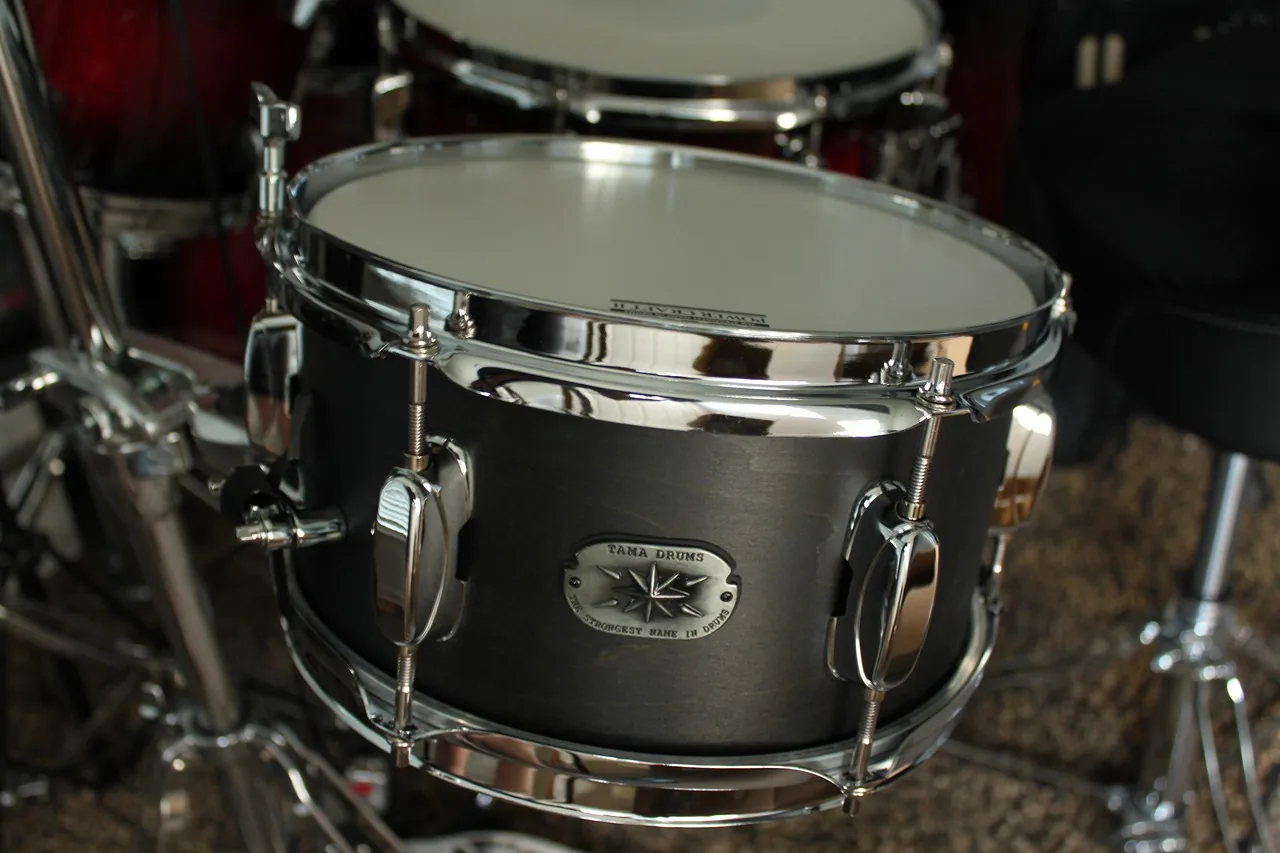
Your choice of drumsticks can also affect the volume produced. Lightweight sticks generally make less noise than heavier sticks because they have less mass and therefore create fewer vibrations.
Sticks with smaller tips can also reduce noise because they produce less sound projection. By choosing the right sticks, you can lower the volume while retaining a pleasing drum sound.
Tips for Reducing Drum Noise
If you are looking for ways to reduce the noise of your acoustic drum kit, there are simple, practical tips that you can easily put into practice. Here are some of our recommendations:
- Use a drum rug: investing in a drum rug can significantly reduce the noise generated by your drum kit. It not only absorbs sound but also prevents your kit from sliding while you play.
- Use silent drumheads: silent drumheads are specially designed to reduce the noise produced by your kit. Be sure to choose heads that match the sizes of your drums, and remember that this option may affect their sound quality.
- Use cymbal mutes: cymbal mutes are an effective tool for reducing the noise produced by your cymbals. They are easy to install and can make a major difference to the overall volume of your drum kit.
- Use rubber drumsticks: rubber drumsticks are a quieter alternative to traditional sticks. They make less noise when they strike drums and cymbals, but they can also change how playing feels.
- Control your technique: finally, proper playing technique can also help reduce the noise of your acoustic drum kit. Learn to play more softly by using less forceful strokes and avoiding unnecessary hits.
By putting these simple tips into practice, you can significantly reduce the noise of your acoustic drum kit. Remember that reducing noise without altering the sound quality of your kit may require some compromises. Experiment with different options to find a combination that works for you.
Soundproofing a Drum Kit
If you live in an apartment or a shared house, or if you do not want to disturb your neighbors, soundproofing your acoustic drum kit may be the solution you need. Several methods can effectively reduce the noise produced by your kit by creating a better-controlled, more isolated environment.
A simple first step is to use absorbent materials to reduce sound reverberation. Acoustic panels, carpeting, and foam cushions can all help absorb sound vibrations and reduce noise transmission.
Another option is to build an enclosure around the drum kit. It can be made with soundproofing panels of acoustic foam or as a wooden structure containing absorbent materials. This enclosure can help isolate the drum kit and significantly reduce the amount of noise escaping from the room.

Finally, if you want to invest more, you can choose bass-drum risers that allow you to play on a sound-absorbing platform. You can also use drumheads specially designed to reduce noise or noise-reducing accessories such as rubber cymbals or drum mutes.
By combining these methods, you can create a quieter, better-controlled playing environment, allowing you to play at any time of the day or night without disturbing anyone.
Noise-Reducing Drum Accessories
When it comes to reducing the noise of an acoustic drum kit, various accessories can help dampen the sound. Here are some of the most popular accessories for reducing drum noise:
| Accessory | Description |
|---|---|
| Drum mutes | These foam accessories are simply placed on the surface of the drumheads to lower the volume. |
| Cymbal mutes | These rubber or foam accessories are placed on the cymbals to reduce their noise and sustain. |
| Bass-drum pillows | These foam or fabric cushions are placed inside the bass drum to absorb sound waves and lower the volume. |
By using these noise-reducing drum accessories, you can enjoy quieter drumming without sacrificing sound quality.

Acoustic Isolation for a Drum Kit
Isolating an acoustic drum kit is an effective way to reduce the noise produced by the instrument. Using acoustic panels, foam pads, and bass-drum risers is a common way to reduce sound transmission to adjoining rooms.
Acoustic panels are absorbent materials that can be attached to walls to reduce sound reverberation. Foam pads can be placed beneath the drum kit to absorb vibrations and reduce noise transmitted through the floor. Bass-drum risers elevate the drum, which can reduce sound transmission to lower floors.
It is important to note that complete acoustic isolation can be expensive and often requires professional assistance. However, using these elements can significantly improve the acoustic quality of your practice space.
Building materials can also be used to provide acoustic isolation for a drum kit. Soundproof walls are designed to block unwanted noise and can be installed in your practice space. Soundproof doors are also available to prevent sound from escaping the room.
Before investing in soundproofing materials, however, it is important to consider their cost and potential benefits. You may also need to consult a professional to help you design and install the ideal acoustic treatment in your practice space.
Advice for Limiting the Noise of an Acoustic Drum Kit
If you are a passionate drummer, you probably know how loud an acoustic drum kit can be. This can often cause problems with neighbors or family members. However, there are ways to reduce the noise of your acoustic drum kit without sacrificing its sound quality. Here are some tips for limiting its noise:
- Use a drum rug: a drum rug is an excellent way to reduce vibrations from your kit, which can often cause noise disturbance. Adding a drum rug can dampen the noise and improve the stability of your instrument.
- Invest in sound-reducing drumheads: sound-reducing drumheads are designed to lower the noise of your kit. They are made from special materials that absorb vibrations and reduce noise. Although they may be slightly more expensive, sound-reducing drumheads are often worth the cost.
- Use lighter drumsticks: lighter drumsticks can help reduce the noise of your acoustic drum kit. It may seem counterintuitive, but lighter sticks often produce less noise than heavier ones.
- Play with a gentler technique: playing technique can have a significant effect on the volume of your drum kit. If you play too hard, you risk increasing its volume. Try playing more softly to reduce the noise.
- Practice at appropriate times: if you live in an apartment or a house with nearby neighbors, it is important to be considerate of them. Try to play the drums at reasonable times, when your neighbors are less likely to be disturbed.
- Communicate with your neighbors: if you have nearby neighbors, it may be helpful to speak with them and explain your situation. If they understand that you are working on techniques to reduce the noise, they may be more tolerant.
Tip: by combining the techniques above, you should be able to significantly reduce the noise of your acoustic drum kit while retaining a quality sound.
Solutions for Reducing Drum Noise
Drummers often encounter excessive noise problems when playing an acoustic drum kit. Fortunately, several solutions can lower the volume and allow drummers to play at any time without disturbing those around them. Here are some of the most effective solutions:
| Method | Description |
|---|---|
| Drum muffling | Drum muffling is a technique that involves adding absorbent materials inside the drums to reduce resonance and volume. Products such as foam or rubber rings can be used for this purpose. |
| Tuning techniques | Appropriate tuning techniques can help produce a more controlled, quieter sound on an acoustic drum kit. By experimenting with different drumhead tunings, drummers can find a balance between a controlled sound and an acceptable volume. |
| Using lighter drumsticks | Lighter drumsticks generally produce less noise than heavier ones. Drummers can also use felt or rubber-coated sticks to achieve a softer, quieter sound. |
In addition to these methods, several noise-reducing accessories are available to help lower the noise produced by an acoustic drum kit. Drummers can use cymbal mutes, bass-drum pillows, and drum rugs to dampen the sound. For those who want to take soundproofing even further, materials such as acoustic panels and foam pads, along with bass-drum risers, can be used to create more complete acoustic isolation.
It should be noted, however, that reducing noise must not compromise the sound quality of the acoustic drum kit. Drummers must find a balance between noise-reduction techniques and producing a quality sound. By experimenting with different methods and finding the ideal combination, drummers can enjoy a quieter playing environment without sacrificing the sound they want.
Tip for Reducing Drum Noise with Absorbent Materials
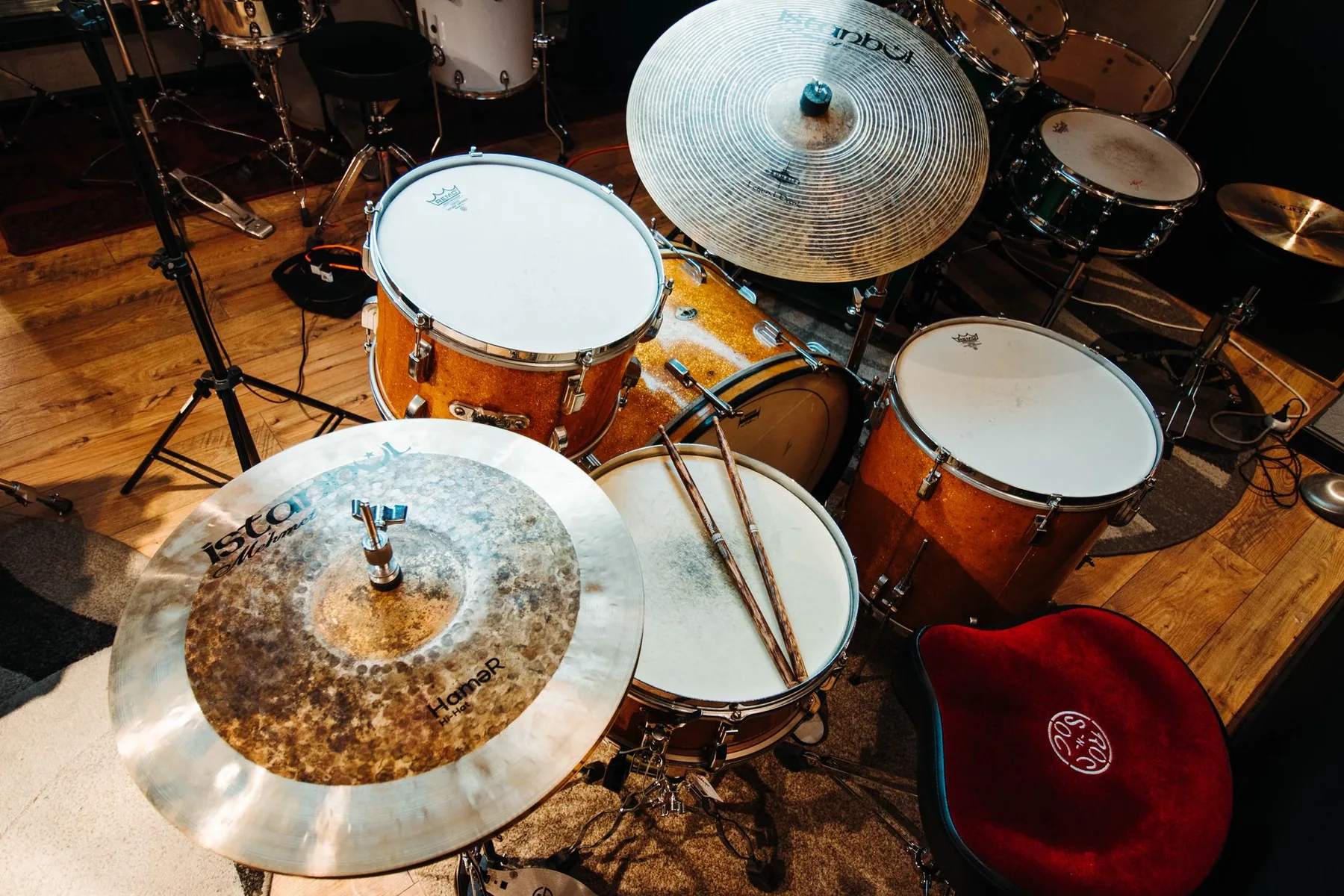
If you are looking for an effective way to reduce the noise of your acoustic drum kit, using absorbent materials can be a useful solution. These materials can reduce reverberation and background noise, creating a quieter environment in which to play the drums.
The material most commonly used to soundproof drum rooms is acoustic foam. It is a porous material that absorbs sound and reduces reverberation. It is available in a range of densities and thicknesses and can be easily installed on walls and ceilings.
Carpet is another effective absorbent material. It can be used to cover the floor of the drum room, reducing vibrations and footfall noise. Thick carpets are more effective than thin ones because they absorb more vibrations.
Finally, acoustic panels can also be used to reduce drum noise. These are fabric-covered wooden panels that absorb sound. They can be installed on the walls and ceilings of the drum room to reduce reverberation.
By using these absorbent materials, you can easily reduce the noise of your acoustic drum kit and play more comfortably. Be sure to do some research to find the absorbent materials best suited to the layout of your drum room.

Conclusion
Overall, it is possible to reduce the noise of an acoustic drum kit by combining different techniques and solutions. It is important to find the right balance between reducing noise and maintaining the desired sound quality of the drum set. By following the tips and advice presented in this article, drummers can enjoy a quieter playing experience without compromising their sound.
It is crucial to remember that excessive noise generated by an acoustic drum kit can create a disturbance for neighbors. It is therefore important to observe appropriate practice hours and try to communicate with neighbors to find a mutually acceptable solution.
By using absorbent materials such as foam, rugs, and acoustic panels, drummers can create a better-isolated and more acoustically controlled environment for drum practice. Noise-reducing accessories such as drum mutes, cymbal mutes, and bass-drum pillows can also help lower the volume.
Overall, there are many solutions for reducing the noise of an acoustic drum kit. You simply need to find the combination of techniques and solutions best suited to each situation to create a quieter, more enjoyable playing experience while respecting your neighbors’ needs.