
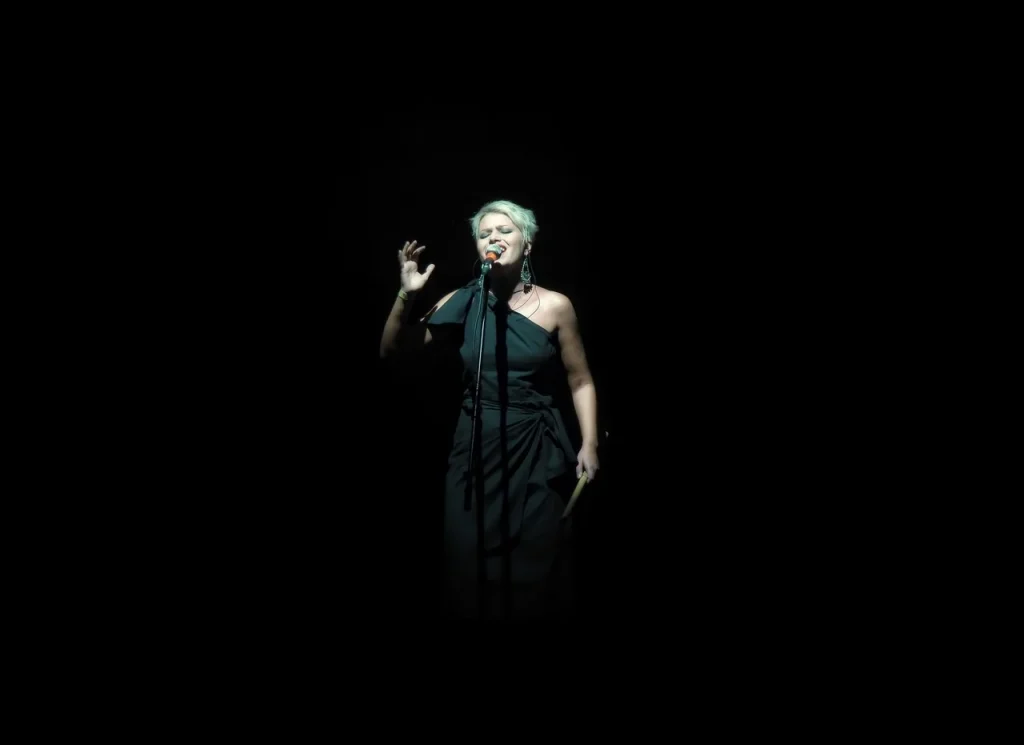
This guide clarifies the practical steps for structuring vocal training and building a sustainable career in France today.
The journey requires talent, technique and mental stamina. Diaphragmatic breathing, diction and interpretation are essential for working on the voice every day.
The landscape has changed: social media and competitions have increased the competition. You need clear positioning and an original image to stand out.
This plan covers performance settings and styles (classical singing, contemporary music and studio work), training options (schools, conservatories and lessons), strategy and professional networking.
Clear goals: progress in stages, receive regular technical feedback and build a coherent repertoire. The approach remains holistic: vocal technique, stagecraft, marketing and computer-assisted music tools.
Understanding the Singing Profession in France Today
Being a singer today requires as much organization as talent. Daily life combines vocal training, rehearsals and schedule management. Singers must protect their voices, plan rest periods and meet artistic and contractual deadlines.
Day-to-Day Realities
Days include diaphragmatic breathing exercises, vocal exercises and diction work. Rehearsals are intensive, and managing vocal fatigue is essential.
Travel, auditions and approaching record labels also take up a great deal of time. An online presence has become a visibility tool and requires content to be produced regularly.
Finding Work and the Role of Education
Finding work involves frequent auditions and meeting people in the field. A strong network makes opportunities easier to access, and the ability to respond quickly to offers is crucial.
Musical education gives structure to learning. It accelerates progress, connects students with the right industry contacts and creates pathways to schools and programs leading to a qualification.
- Behind-the-scenes preparation: consistency and resilience in the face of rejection.
- Balance: artistic work, prospecting and communication.
- Understanding the professional performing-arts world helps you choose your path.
Styles, Vocal Ranges and Performance Settings: Classical Singing, Contemporary Music, Studio and Stage
Your choice of style and vocal range shapes the roles and opportunities available on stage. Depending on their voice, performers will have access to different scores and stage roles.
Vocal Ranges and Roles
Classical singers work on the classical repertoire suited to their vocal range: tenor, soprano, contralto or baritone. A tenor will not tackle the same arias or dramatic lines as a baritone.
Whether singing in a choir or solo, acoustic projection and diction are essential. Vocal training guides the choice of roles and repertoire, from Baroque to contemporary music.
Performance Settings and Working Environments
Contemporary music—pop, rock, jazz or electronic music—requires different conventions: microphone technique, groove and audience interaction.
Opera, musical theater, festivals, television sets and studios each demand specific professional techniques. In the studio, singers record songs, layer takes and collaborate with a producer.
- Auditions: prepare two contrasting pieces and pay attention to your outfit.
- Image: appearance and charisma complement the artistic vision.
- Hybrid projects combine singing, dance and stage performance, creating bridges between genres.
Essential Qualities and Skills for Success
Succeeding on stage requires a balance between technical mastery and expressive presence. Essential skills are developed methodically every day. Learning advanced vocal techniques at the Dalida Institute is also an excellent initiative.
Technique, Breathing and Diction
Technique is the foundation: appoggio, diaphragmatic breathing, placement and articulation. These elements protect the voice and help prevent fatigue or nodules.
Interpretation and Stage Presence
Interpretation aims to convey the song’s intent without overdoing it. Understanding the lyrics and refining dynamics and phrasing allow a singer to move listeners while remaining accurate.
Instrumental Skills and Knowledge of Styles
Playing an instrument such as the piano or guitar gives you greater independence in rehearsals. It also helps you read chord charts, transpose and communicate with musicians.
- Fundamentals: appoggio, breath control, placement and stamina.
- Interpretation: intent, dynamics and phrasing.
- Confidence: warm-up routines, managing stage fright and physical grounding.
- Knowledge: the conventions of jazz, rock, Baroque music and bel canto.
“Technique serves emotion: without sincerity, virtuosity is meaningless.”
Structuring practice around measurable goals, recordings and coaching helps unite technique and artistry. This work supports progress and credibility on stage.
Daily Vocal Technique: Vocal Health, Training and Pitch Accuracy
A daily routine develops vocal coordination and improves pitch accuracy. Begin with a gentle warm-up, then move on to progressive vocal exercises.
- Breathing warm-ups and articulation.
- Ascending and descending vocal exercises for resonance.
- Breath-control work, followed by focused repertoire and interpretation.
Vocal health: stay hydrated, get enough sleep and avoid noisy environments. Warm up your voice before a performance and allow time for genuine recovery afterward.
For pitch accuracy, use aural reference points: a piano, tuner and recordings. Correct micro-intervals and train your ear by recording yourself regularly.
Avoid straining the larynx: prioritize breath support and consult a voice specialist if pain persists.
Progress indicators: range, stability, stamina, evenness of tone and ease of transition between head voice and chest voice. Physical work: core strengthening, rib-cage expansion and posture for better vocal projection.
What Singing Programs Really Cover
A vocal program combines practical exercises with theoretical knowledge. Its aim is to make performers self-sufficient on stage and in the studio.
Vocal Technique, Breathing Exercises and Vocalises
Essential modules: vocal technique, advanced vocalises, diaphragmatic breathing and breath-support management. These daily sessions build stamina and pitch accuracy.
Music Theory, Harmonic Analysis and Music History
The theoretical component covers rhythmic and melodic music theory, harmonic analysis and music history. These tools help students understand different styles and interpret scores correctly.
Repertoire and Workshops (Opera, Opéra Comique, Operetta and Baroque)
Repertoire work includes opera, opéra comique, operetta and Baroque singing. Arias are selected to suit each student’s vocal range and goals.
Teaching formats: individual lessons, group workshops, masterclasses, intensive courses and seminars. The cultural component combines museum visits, lectures and guided listening sessions.
Assessments include internal auditions, examination panels, student concerts and musicology papers. This monitoring connects technical skills, stylistic understanding and the stage abilities required by the market.

Schools, Conservatories and Qualifications for Singers
Academic and private pathways provide structure for entering the singing profession by offering programs tailored to different needs.
Conservatories (CRR and CNSMD), higher-education centers and specialist schools offer postsecondary programs or continuing education. Their programs combine individual lessons, workshops, intensive courses and seminars.
Advanced Music Qualifications and Teaching Credentials
Advanced music qualification: professional training focused on performance and recording.
Teaching credentials: these lead to teaching careers in music schools and create pathways to local employment.
Classical Singing Pathways and Specialization
Classical singing pathways include voice classes, language coaching, opera scenes and acting modules. Options allow students to specialize as a tenor, soprano, mezzo-soprano or baritone.
- Admission: entrance examinations, auditions and the postsecondary level specified by each school.
- Impact on employment: educational networks, simulated stage experience and contacts with ensembles and production companies.
- Teaching staff: experienced female and male singers, vocal coaches, accompanists and stage directors.
Training to Become a Professional Singer
The type of guidance you receive directly affects your access to performance opportunities and professional networks.
Choosing Between a Qualification Program, Private Lessons and Vocal Coaching
A qualification program at a conservatory or school provides a comprehensive framework. It combines theory and practice with a qualification recognized by the profession.
Private lessons and coaching offer greater flexibility. They quickly target technical weaknesses and prepare singers for auditions.
- Compare: supervision, cost, duration, recognition and employers’ expectations.
- Criteria: artistic style, availability, career goals and academic level on leaving high school.
- Combined strategy: an institutional program alongside focused sessions in technique, interpretation and stagecraft.
- Coach: individualized monitoring, rapid corrections and casting preparation.
For career guidance, complete a skills assessment and vocal-range test, then plan a quarterly schedule. Schools remain a genuine asset for gaining initial credibility and accessing programs and stages.
Self-Taught or Academically Trained: Charting Your Path
Creative freedom and institutional requirements form two complementary routes. Self-taught singers experiment quickly, explore different aesthetics and retain considerable freedom over their pace. An academic program provides structure, assessments and validated studies.
Completing a training program involves more than singing. You must also learn stagecraft, stress management, marketing and technical tools.
A combination often works best: focused courses, intensive workshops and mentoring can compensate for the absence of a lengthy program. These modules complement existing pathways and accelerate skill development.
Maintain a regular practice: use a weekly plan, repertoire goals, recordings and peer feedback. You also learn stagecraft by taking part in open-mic nights and joining choirs.
Finally, build a small network from the outset: other singers, instrumentalists, technicians and bookers. This network can be your first source of opportunities and practical learning.
Stagecraft and Stage Presence
The art of performance combines positioning, eye contact and economy of movement in the service of emotion.
Captivating an Audience Without Betraying Your Artistic Identity
Stage presence requires solid grounding and deliberate movement. Good physical support strengthens the voice and frees expression.
Aligning visual style with stage performance reinforces the message’s coherence. Choose outfits and attitudes that serve the repertoire and its intent.
Managing stage fright involves simple routines: focused breathing, a visual focal point and rehearsals under performance conditions. These rituals have a calming effect before going on stage.
- Addressing the audience: storytelling, planned pauses and interactions that capture the energy in the room.
- Technique: microphone placement, in-ear monitors and coordination with the technical team for a smooth performance.
- Vocabulary: elements borrowed from theater and dance, used sparingly in the service of art.
| Format | Goal | Key Technique |
|---|---|---|
| Showcase (short) | Test an artistic concept and attract bookers’ attention | A clear message focused on three strong elements |
| Concert (long) | Establish a narrative and manage stamina | Dynamic progression and energy management |
| Stage rehearsal | Refine performance and coordination | Simulate stage monitoring, positions and transitions |
Modern Technology and Tools for Singers
A home studio gives vocalists unprecedented and accessible production freedom. It allows an idea to be transformed into a workable demo for live performance and streaming.
Computer-Assisted Music and the Home Studio: Ableton Live, Logic Pro and Recording Demos
Setting up a home studio: an audio interface, a large-diaphragm microphone, closed-back headphones and basic acoustic treatment are enough to get started.
Software such as Ableton Live and Logic Pro provides virtual instruments, comping features and pitch correction. Ableton excels at warping and live performance, while Logic stands out for its editing features and sound libraries.
Creative Workflow: From Demo to a Streaming-Ready Track
An effective workflow follows these stages: composition, demo, arrangement, vocal recording, editing, mixing and premastering.
- Optimize recording: microphone choice, distance, pop filter and plosive management.
- Take online courses to learn computer-assisted music software and vocal recording techniques more quickly.
- Prepare delivery: levels, metadata and the formats required by aggregators.
Versatility as a musician and singer: knowing how to accompany yourself and deliver professional demos increases your prospects for employment and collaboration.

Marketing, Image and Social Media in the Music Industry
Today, an artist’s image carries as much weight as their voice in shaping their career. A well-designed brand platform helps artists stand out in the worlds of contemporary and classical music.
Developing a Distinctive Image and Content Strategy
Defining your story, values and a clear visual identity makes you easier to recognize. Share short previews, regular livestreams and behind-the-scenes content to maintain interest.
- Brand platform: a consistent biography, visuals and tone.
- Content strategy: short-form content, playlists and livestreams.
- Professional image: press photographs, an official portrait and a polished EPK.
Streaming Platforms and Fan Communication
Distribute your tracks on streaming platforms, monitor audience data and target editorial or independent playlists. Record releases should be accompanied by a roadmap visible to industry professionals.
Build an active fan community through a dedicated newsletter, an Instagram or Discord community and exclusive content. Prepare a strong press kit when approaching record companies and bookers.
Measure your marketing skills using simple KPIs: engagement rate, newsletter conversions and audience growth. Your career can then advance through data-driven decisions.
Professional Networking, Auditions and Access to Opportunities
A professional network often opens more doors than a single successful audition. Expanding your circle of artists and decision-makers is an ongoing process. A strong network turns encounters into performance dates and paid assignments.
Choirs, Bands, Vocal Coaches and Casting Directors
Map out the circles of opportunity: local choirs, bands, vocal coaches, casting directors, bookers and tour promoters. Each provides different access to employment and performances.
Prepare for auditions with a set of contrasting pieces, clean scores, demos and a clear introduction. Pay attention to your outfit and audio portfolio to leave a professional impression.
- Highlight early experience: talent contests, open stages and choirs often lead to a first job.
- Structure your outreach: maintain a sending schedule, a simple CRM-style tracking system and regular follow-ups.
- Maintain relationships: collaborate, exchange services and co-create with a musician or other artists.
Training programs and workshops remain key places for meeting decision-makers and receiving feedback. After each audition, ask for feedback, improve your performance and stay in touch with the teams involved.
Employment Status, Work and Market Realities
The professional landscape requires informed choices about employment status and carefully targeted professional efforts. Understanding the rules governing artistic work and potential sources of employment helps you organize your activities.
Intermittent Entertainment Work, Rights and Managing Performance Fees
An intermittent entertainment worker alternates between periods of work and job hunting. This status provides social-security entitlements but requires performance fees to be tracked precisely.
Organization involves maintaining a performance calendar, issuing invoices and managing days worked. Many singers also have another occupation related to music or theater.
- Sources of employment: concerts, studios, professional choirs, dubbing, soundtracks (records and film scores), events and theaters.
- Plan your outreach: target record companies and labels, prepare a short presentation, send demos and follow up systematically.
- The industry is affected by seasonal performance schedules and intense competition; versatility increases employment prospects.
Manage auditions like a project: prepare with a specific goal, present a polished portfolio and act on feedback, even after a rejection.
Practical advice: combine training with real experience in performance, studio work and teaching to strengthen your credibility and open pathways to different occupations.
Specializing by Genre: Pop, Rock, Jazz, Rap and Classical Repertoire
Every genre has vocal and performance conventions that shape an artist’s identity.
A contemporary music singer may perform alone or with a band. They perform their own tracks or compositions by songwriters. Expectations vary by style.
Define the requirements: diction and flow for rap, swing and placement for jazz, controlled distortion and energy for rock, and clarity and warmth for pop or classical repertoire.
Adapt the voice: work on placement, effects (drive, fry and twang) and vocal health according to the genre. Collaborate with arrangers and musicians to make your work more credible.
- Channels: dedicated venues, specialist radio stations, talent contests and genre-based communities.
- Identity: consistent influences, visuals and collaborations.
- Strategy: singles or EPs, targeted playlists and a release plan suited to the genre’s audience.
Tip: specialization and versatility complement each other: respond to commissions while consolidating your artistic identity.
Building Your Repertoire and Artistic Output
Building a repertoire is like assembling a puzzle of keys, themes and duration. A successful set combines artistic coherence with the practical constraints of a 30- to 60-minute concert.
Writing, Co-Writing, Performing and Memorizing Your Songs
Structure the creative process: schedule writing sessions and co-writing sessions with a musician or beatmaker. Produce demos and gather feedback to refine the arrangements.
Improve memorization: use spaced repetition, melodic cues and physical anchors for complex passages. Contemporary music singers memorize lyrics, scores and choreography.
- Coherent repertoire: suitable themes, keys and vocal ranges that maintain the concert’s unity.
- Interpretation: work on nuance, breathing and storytelling to maximize emotional impact.
- Workshops and lessons: arrange songwriting and arranging lessons to raise the standard more quickly.
- Studio preparation: select the tracks, plan the schedule and prepare the technical elements before recording.
In the studio, the goal is to arrive prepared: vocals mastered, intent clear and energy controlled.
Finally, rehearse transitions and create alternative versions—such as medleys and acoustic arrangements—to adapt the repertoire to different venues and audiences.
Conclusion
A strong vocal project rests on daily action and strategic choices. Technical work, interpretation, stagecraft, digital tools, marketing and networking are the key stages in building a genuine profession.
Plan a realistic path from leaving high school through qualifications and initial experience. Alternate practical and theoretical components and measure your progress using quarterly goals.
Be bold enough to pursue auditions, local performances, studio sessions and collaborations: the professional world opens through action. Protect your voice and mental well-being, as both are essential to longevity.
Action: define one specific goal now—a training program, demo or casting—set a date and begin the first step. Whatever your gender, move forward methodically as a singer.