

Music is a complex art form that relies on many elements to be successful. Among these elements, drums are often considered one of the most important. Drums, also known as percussion, provide a song’s rhythm and structure, creating a foundation on which the other instruments can build.
In addition to their fundamental role in creating musical structure, drums are also a versatile instrument capable of producing a wide range of sounds and emotions. All of this makes them a key element of any successful musical composition.
In this section, we will discuss the importance of drums in music and highlight their role as a foundational instrument that provides rhythm and harmony.
The role of drums in music
Drums are one of the most essential musical instruments and play a key role in most musical genres. They are considered one of the pillars of contemporary music, providing rhythm and percussion in music.
The drummer uses a variety of components to create different sounds and rhythms. Cymbals, the bass drum, toms, and the snare drum are among the equipment used to produce a variety of sounds, ranging from soft to powerful and from subtle to expressive.
The role of drums in music is not limited to creating rhythms; it also includes shaping the musical atmosphere. The use of cymbals or special effects can give the music a particular tone and contribute to the development of its sonic narrative.
Drums as the foundation of rhythm
Drums are considered one of the most important instruments for creating a steady rhythm. The drummer is responsible for providing the tempo and pulse so that the other members of the ensemble can play in harmony.
The role of drums is crucial in musical genres such as rock, jazz, and blues, which place great importance on live performances. The drummer must be able to follow the other musicians, and vice versa, thereby creating a seamless musical experience for listeners.
Drums in different musical genres
The role of drums varies considerably across musical genres. In pop music, drums are often used to create simple, catchy rhythms that encourage dancing and attentive listening. In jazz, drums are used to create complex rhythms that showcase the drummer’s virtuosity, while in rock, they are used to add power and impact to the music.
The most influential drummers in music history each have their own style, which significantly affected the development of their musical genre. Drummers such as Buddy Rich, John Bonham, and Keith Moon introduced new techniques and playing styles that influenced an entire generation of drummers.

In short, drums are a versatile musical instrument that is essential for creating rhythms, harmonies, and a musical atmosphere. They are also an ideal instrument for personal expression and developing one’s own style.
A versatile musical instrument
Drums are a versatile musical instrument that can create a wide variety of sounds and rhythms through their different components. They are commonly used in many musical genres, such as rock, jazz, blues, and funk.
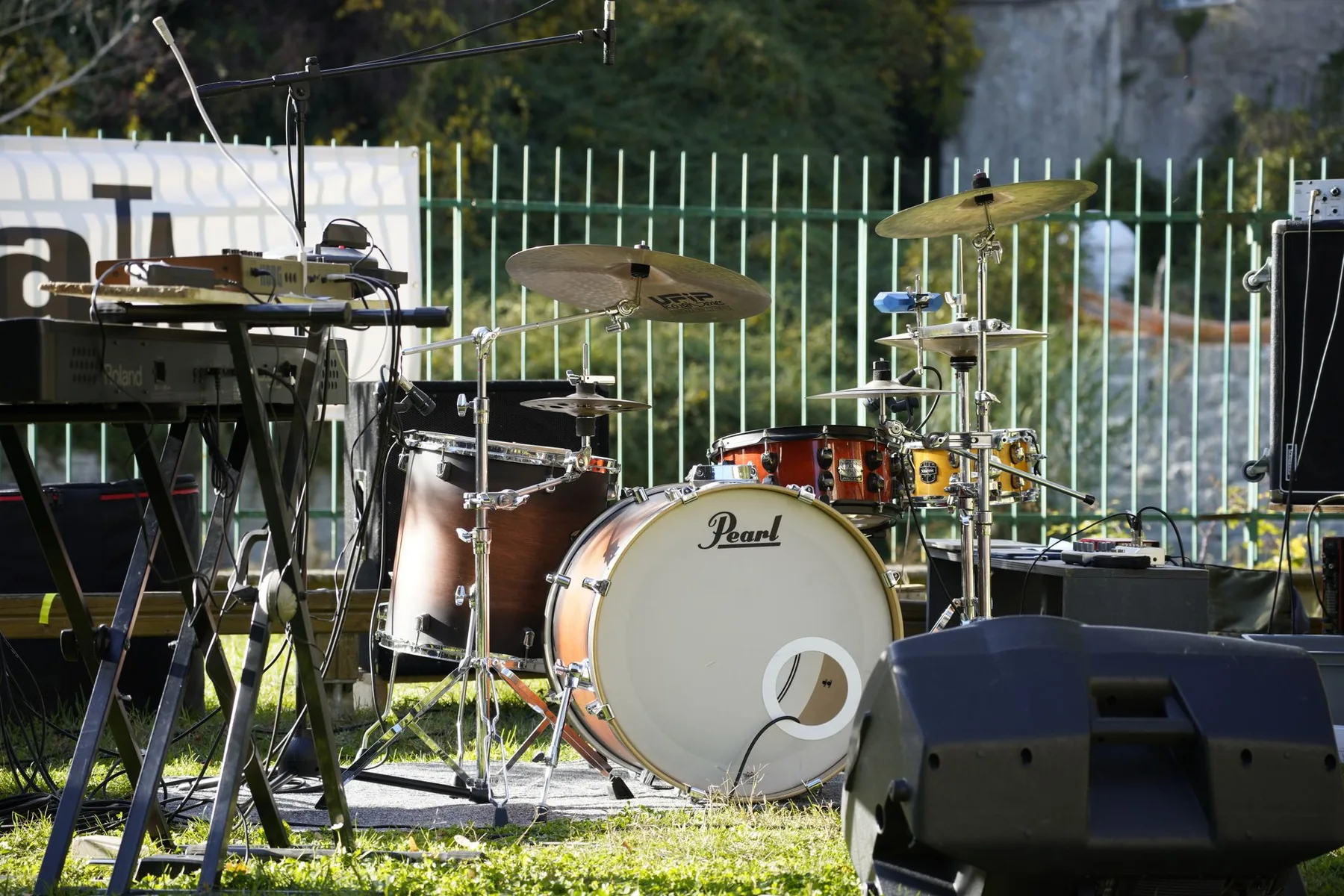
A traditional acoustic drum kit consists of a bass drum, snare drum, toms, a hi-hat, cymbals, and a drum throne. Each component offers a unique sound and can be played in different ways to produce a wide range of sounds.
However, with the advent of technology, electronic drums have also grown in popularity. They offer a variety of electronic sounds and can be used with sound modules to create an extensive range of sounds. Moreover, they are often lighter and more compact than traditional acoustic drum kits, making them easier to transport.

Drummers can also modify the configuration of their drum kit by adding or removing components to adjust their sound and accommodate different musical styles. Drums are therefore an extremely versatile instrument that can be adapted to a wide variety of musical genres and playing styles.
The role of the drummer
The drummer is an essential member of any band and plays a crucial role in creating music. As the person playing the drums, the drummer is responsible for maintaining the tempo and creating the rhythmic foundation for the other musicians.
The drummer must be able to play different musical styles accurately and consistently. This requires mastery of playing techniques such as basic strokes, rolls, fills, and breaks. The drummer must also be able to communicate effectively with the other members of the band to ensure that the rhythm remains consistent.
In addition to creating the rhythm, the drummer must also be able to enhance the song’s musicality by using different techniques, such as changes in volume, accents, and creative fills and breaks. In fact, some of the most famous drummers in music history were renowned for their creativity and ability to innovate in their drumming.
Finally, the drummer must be able to work closely with the other members of the band to create a cohesive, balanced sound. This may involve adapting their playing to the other instruments or suggesting ideas to improve the musical composition as a whole.
In summary, the drummer plays a crucial role in music by creating the rhythmic foundation for the other musicians, enhancing the song’s musicality through creative techniques, and working closely with the other members of the band to create a harmonious sound. Without a good drummer, music would not be the same.
The importance of tempo and musical rhythm
Drums are one of the most important musical instruments for establishing a solid rhythm in a song. The drummer is responsible for maintaining the band’s unity and cohesion by playing accurately and consistently. The tempo of the music is essential for setting the song’s tone and atmosphere. The drummer must be able to maintain a steady tempo that serves as a guide for the other musicians.
The musical rhythm is also crucial to a song’s energy and dynamism. With the drums as the focal point, the rhythm is created by combining the notes played by each instrument. The drums provide its basic structure. A talented drummer can create subtle variations in the rhythm to add depth and texture to the song.
Ultimately, tempo and musical rhythm form the foundation of every musical composition. Without drums to support them, a song may sound disjointed or flat. The drummer provides the cohesion and passion needed to bring a song to life and make it memorable.
Drums within a band
In a band, drums are often considered the instrument that brings cohesion and rhythm to the music. Indeed, the drummer is responsible for maintaining the composition’s musical structure while interacting with the other members of the band.
The drumming must adapt to the different sections of a song, whether verses, choruses, or bridges. The drummer must be able to create subtle variations that support the harmony established by the other instruments.
Moreover, drums can be used to add nuances and sound effects to the music, such as rolls or more powerful strokes that intensify key moments in the composition.
Finally, in certain musical styles, such as jazz or rock, the drummer may be called upon to improvise and play solos. This adds another dimension to teamwork and musical interaction within the band.

Overall, drums are essential in ensemble music. They make a significant contribution to creating an atmosphere and fostering interaction among the members of the band. The drummer must be able to adapt to the different sections of a song while adding a personal touch to create a unique sound that complements the rest of the band.
The evolution of drums in music
Drums are a musical instrument that has evolved significantly over the years. Originally, drums and percussion instruments were used during religious ceremonies and social events. Over time, percussion instruments became part of classical music and later of popular genres such as jazz, rock, and hip-hop.
With the advent of jazz, drums assumed an important place in music. Drummers began playing complex solos, using the full range of their kits to create innovative rhythms. Jazz drummers such as Buddy Rich, Gene Krupa, and Max Roach influenced many rock drummers.
| Influential rock drummers: | Ringo Starr of the Beatles | John Bonham of Led Zeppelin | Keith Moon of the Who | Ginger Baker of Cream |
|---|
Rock drummers played an essential role in the evolution of music. They began using innovative techniques such as double drumming, eighth notes, offbeats, and syncopation. Rock drummers also began using larger drum kits to create more complex sounds.
With the advent of electronic music, drums underwent another evolution. Drummers began using electronic drum kits to create unique and experimental sounds. Electronic drums also enabled drummers to play with prerecorded sounds to create more complex rhythms.
In summary, drums have evolved alongside music. From their beginnings in religious ceremonies to their integration into various musical genres, drums have played a crucial role in music-making. Drummers have used innovative techniques and larger drum kits to create more complex and creative sounds. With the advent of electronic music, drums have continued to evolve, enabling drummers to create unique and innovative sounds.
Conclusion
We have seen that drums are an instrument of vital importance in the world of music. They provide the rhythmic foundation, create harmonies, and contribute to the overall musical experience.
The drummer’s role is also crucial, as the drummer is responsible for maintaining the music’s tempo and rhythm while collaborating with the other musicians.
Drums have evolved over time, with modern electronic percussion added to more traditional acoustic drum kits. However, regardless of the type of drums used, their role and importance remain unchanged.
In conclusion, we can say that drums are a versatile musical instrument that deserves all the attention it receives in the world of music. Without drums, music simply would not be the same, which is why drums are so important in music.