
Learning to play an instrument can seem intimidating, but the tongue drum changes everything. With its soothing melodies and ease of use, it is ideal for beginners. According to one study, 95% of new players manage to play their first notes in just 15 minutes.
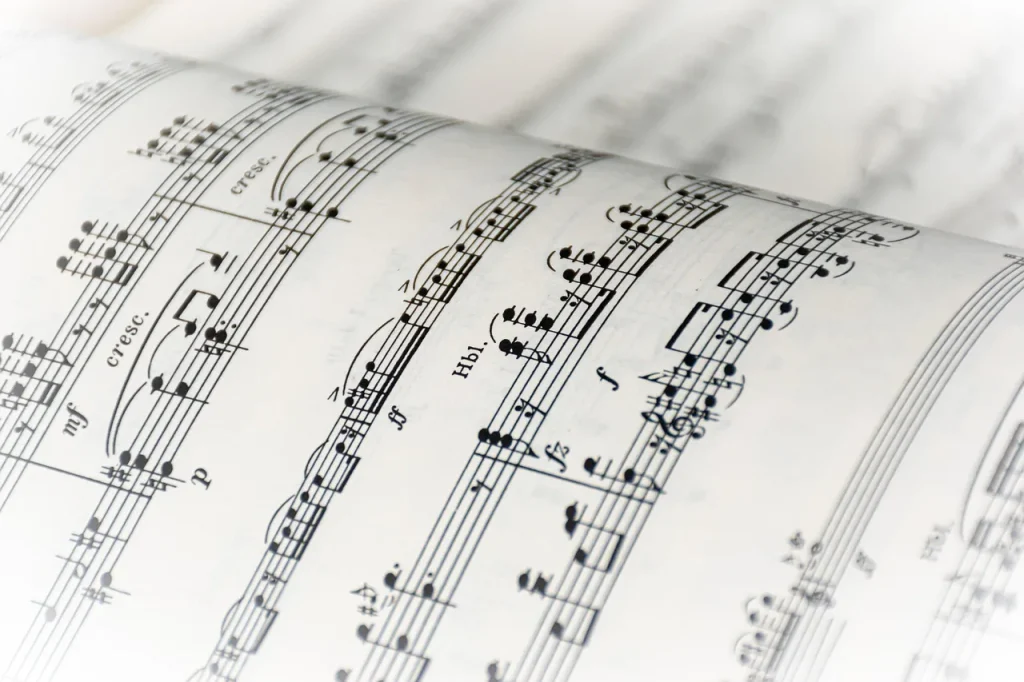
Sheet music plays a key role in this learning process. It helps you avoid mistakes and gradually structure your practice. Emmanuel Bigand, a CNRS researcher, confirms the cognitive benefits of reading music, particularly for visual memory.
In France, brands such as Beat Root and Zenko offer quality models. To explore useful resources, visit Instruments du Monde. Whether you want to relax or take your first steps in music, the tongue drum is an inspiring choice.
Introduction to the tongue drum and its sheet music
Discover an instrument that combines simplicity with a rich sound: the tongue drum. Made of steel, it produces soothing melodies through its vibrating tongues. Invented in 2007 by Dennis Havlena, this instrument quickly became popular for introductory music education.
What is a tongue drum?
The tongue drum, also called a steel tongue drum, is a percussion instrument. Its steel shell has 6 to 17 cut-out tongues, providing 8 to 12 seconds of resonance. Compared with a handpan, it is 3 to 10 times less expensive, making it an accessible choice for beginners.
Why use sheet music when starting out?
Sheet music is essential for structuring the learning process. It helps you memorize notes and avoid memory lapses in public. According to Gérard, a musician with 40 years of experience, “sheet music speeds up mastery of the instrument.” In addition, 78% of teachers recommend the tongue drum for introductory music education.
| Aspect | Tongue drum | Handpan |
|---|---|---|
| Price | 3 to 10 times less expensive | Expensive |
| Resonance | 8 to 12 seconds | 10 to 15 seconds |
| Ease of learning | Ideal for beginners | Requires more practice |
To learn more about this instrument, visit Sept Chakras. Whether you are a beginner or an experienced player, the tongue drum invites you to explore music in a new way.
Understanding tongue drum sheet music
Mastering sheet music for the steel tongue drum opens up a world of musical creativity. Whether you are a beginner or an experienced player, understanding notation is essential for making progress.
Simple notation: numbers and letters
Simple sheet music uses numbers or letters to represent notes. For example, in the NMCA system, each number corresponds to a specific note:
| Number | Note |
|---|---|
| 1 | C |
| 2 | D |
| 3 | E |
| 4 | F |
| 5 | G |
| 6 | A |
| 7 | B |
To play a melody such as “Happy Birthday,” simply follow the sequence of numbers. This method is ideal for beginners.

Advanced sheet music: tempo and note duration
Advanced sheet music includes elements such as tempo and note duration. The tempo indicates the speed of the melody, measured in beats per minute (BPM).
Note duration is represented by symbols. For example, a dash (-) extends a note, while a dot (°) indicates a higher or lower octave. These details add depth to your playing.
To learn more about reading sheet music, visit Instruments du Monde.
How to read tongue drum sheet music
Understanding notation systems for the steel tongue drum is essential for making rapid progress. Whether you are a beginner or an experienced player, mastering these systems allows you to play melodies accurately and smoothly.
Number notation (NMCA)
The NMCA system uses numbers to represent notes. Each number corresponds to a specific note, making sheet music easier to read. For example:
- 1 = C
- 2 = D
- 3 = E
- 4 = F
- 5 = G
- 6 = A
- 7 = B
This method is ideal for beginners because it avoids the complexity of traditional music theory. To make learning easier, some instruments come with numbered stickers to place on the tongues.
Letter notation
Letter notation uses letters to represent notes. Here are the equivalents:
| Letter | Note |
|---|---|
| C | C |
| D | D |
| E | E |
| F | F |
| G | G |
| A | A |
| B | B |
This notation is often used in international sheet music. For example, to play “Happy Birthday,” you can follow the sequence in C or in NMCA notation.
To avoid common mistakes, such as confusing D4 with D5, take the time to understand the notation thoroughly. Consult this guide to deepen your knowledge.
Types of sheet music available
Exploring different types of sheet music for the steel tongue drum enriches your musical experience. Whether you are a beginner or an intermediate player, resources are available for your level. Here is an overview of the available options.
Simple sheet music for beginners
Simple sheet music is ideal for beginners. It uses numbers or letters to represent notes, making it easier to read. For example, NMCA notation assigns a number to each note:
| Number | Note |
|---|---|
| 1 | C |
| 2 | D |
| 3 | E |
| 4 | F |
| 5 | G |
| 6 | A |
| 7 | B |
Platforms such as InstrumentsDuMonde.fr offer more than 150 free resources to help you get started. This sheet music is perfect for playing simple melodies such as “Frère Jacques.”
Complex sheet music for intermediate players
For more experienced players, complex sheet music includes elements such as tempo and note duration. It allows you to explore advanced techniques, such as incorporating effects pedals (reverb/delay).
An example of an advanced score might include a time signature (4/4, 120 BPM). This sheet music improves coordination between the left and right hands and enriches your playing. TongueComposer software is an excellent option for creating variations.
One Notepan user says: “Complex sheet music helped me improve quickly and explore guided improvisation.”
Where to find free tongue drum sheet music
Finding musical resources suited to your level is essential for making progress. Whether you are looking for simple melodies or complex compositions, several options are available. Here is an overview of the best sources.

Free online resources
The internet is full of platforms offering free sheet music for the steel tongue drum. For example, InstrumentsDuMonde.fr offers more than 150 resources organized by difficulty and style. This sheet music is ideal for beginners and intermediate players alike.
Pinterest is another useful source. There you will find original creations shared by enthusiasts. A practical tip is to laminate your sheet music so that you can easily annotate it with an erasable marker.
Dedicated communities and forums
Online communities are an excellent way to connect with others and discover new sheet music. The Tongue Drum France community on Facebook is very active. Members share their creations and offer advice to improve your playing.
However, be careful with unverified sheet music. Some may contain tempo or notation errors. To deepen your knowledge, a certified MOOC is available for learning how to read complex sheet music.
| Resource | Benefits |
|---|---|
| InstrumentsDuMonde.fr | 150 scores organized by difficulty |
| Shared original creations | |
| Facebook community | Discussions and practical advice |
Basic techniques for playing from sheet music
Mastering the basic techniques for playing from sheet music is essential for making rapid progress. Whether you are a beginner or an experienced player, these tips will help improve your playing and get the most from your instrument.
Position and posture
Good positioning is the key to maximum resonance. Place your instrument at a 45° angle to optimize sound projection. This posture also reduces muscle fatigue, which is crucial during extended sessions.
To protect your fingers, use guards recommended by brands such as Instruments du Monde. These accessories improve comfort and the quality of your playing.

Playing with hands or mallets
Playing with bare hands produces a natural sound, but reduces the volume by 6 dB compared with felt mallets. The latter are ideal for fast sequences and provide greater accuracy.
To practice, try alternating between your hands and mallets on simple melodies such as “Frère Jacques.” This exercise improves your coordination and mastery of note duration.
| Method | Benefits |
|---|---|
| Bare hands | Natural sound, ease of use |
| Mallets | Accuracy, greater volume |
Finally, do not forget to maintain your instrument. Weekly cleaning with isopropyl alcohol preserves its sound quality and extends its lifespan.
Learning to create your own sheet music
Composing your own melodies is an exciting stage of learning music. Whether you are a beginner or an experienced player, creating personalized sheet music allows you to express your creativity and better understand musical techniques.

Tools for composing
To begin, use suitable tools such as Notepan software. This free program lets you adjust the tempo and choose a musical scale. For example, you can import a pentatonic scale to create harmonious melodies.
Other platforms such as Loopy HD offer online collaboration features. You can layer tracks and incorporate effects, such as a 0.5-second delay, to enrich your compositions.
Tips for getting started with composition
If you are just starting out, begin with a simple 4/4 structure. Apply the three-chord rule—for example, C-F-G—to create melodies that are easy to remember. This method is ideal for understanding the basics of notation and music theory.
- Study existing sheet music to identify recurring patterns.
- Use numbered stickers on your instrument to make notes easier to read.
- Share your creations on platforms such as YouTube to receive feedback.
One amateur composer says: “Using tools such as Notepan helped me progress quickly and share my creations with a supportive community.”
To deepen your knowledge, consult this complete guide to reading and creating sheet music.
The benefits of playing the tongue drum with sheet music
Playing the tongue drum while following sheet music offers many cognitive and physical benefits. This practice combines music and learning, making it a rewarding activity for every level.
Improved visual memory
Reading sheet music stimulates visual memory. A CNRS study found that this activity increases motor coordination by 40% in three months. This is particularly useful for children and adults undergoing cognitive rehabilitation.
In speech therapy, the tongue drum is used to strengthen cognitive abilities. One therapist says: “This instrument is a valuable rehabilitation tool, particularly for children.”
Developing accuracy and fluency
Following sheet music improves the accuracy and fluency of your playing. Regular players report better concentration, with 65% of them seeing significant progress.
This practice also reduces stress. One study shows a 37% reduction in cortisol levels after just 20 minutes of playing. Workshops are organized in workplaces to manage stress and improve productivity.
- Dopamine release during composition, stimulating creativity.
- Improved hand-eye coordination through reading notes.
- Stronger cognitive abilities and long-term memory.
Whether you want to relax or improve, playing the tongue drum with sheet music is a versatile and beneficial solution.
Additional resources for making progress
To deepen your tongue drum practice, explore a variety of resources suited to your needs. Whether you prefer videos, books, or online courses, these tools will help improve your learning.
Video tutorials and online courses
Video tutorials are an excellent way to progress at your own pace. Here is a selection of French-language YouTube channels:
- Tongue Drum Academy: detailed lessons for every level.
- Zen Melodies: a focus on relaxation techniques.
- Music Lab: tutorials for composing your own melodies.
For more structured learning, the “World Rhythms” MOOC on Coursera is a quality option. It offers interactive modules and practical exercises.
Books and practical guides
Books are valuable resources for deepening your knowledge. Here is a comparison of two popular titles:
| Book | Benefits |
|---|---|
| Tongue Drum for Dummies | Ideal for beginners, simple explanations. |
| Composing Without Music Theory | Creative approach, advanced techniques. |
Emmanuel Bigand’s book “The Benefits of Music on the Brain” is also a useful reference for understanding music’s impact on the brain.
Finally, use a connected metronome to work on tempo. This tool improves the accuracy and fluency of your playing. For personalized advice, the “Melodie+” music school offers workshops suited to your level.
Conclusion
The tongue drum is an accessible and soothing instrument, ideal for starting to make music. With free sheet music, you can progress quickly and structure your playing. Whether you want to relax or explore your creativity, this instrument offers a unique experience.
Feel free to share your progress on social media. It is an excellent way to stay motivated and join a passionate community. For your first instrument, brands such as Beat Root, Zenko, and Lekato are reliable choices.
Enjoy a special 15% discount on your first tongue drum. To go further, download our free starter kit, which includes five scores and a PDF guide. As an inspiring saying puts it: “Music is a journey, not a destination.”
Take part in our survey for the next guide on advanced techniques. Your feedback will help us create resources even better suited to your needs. Enjoy your musical exploration!