
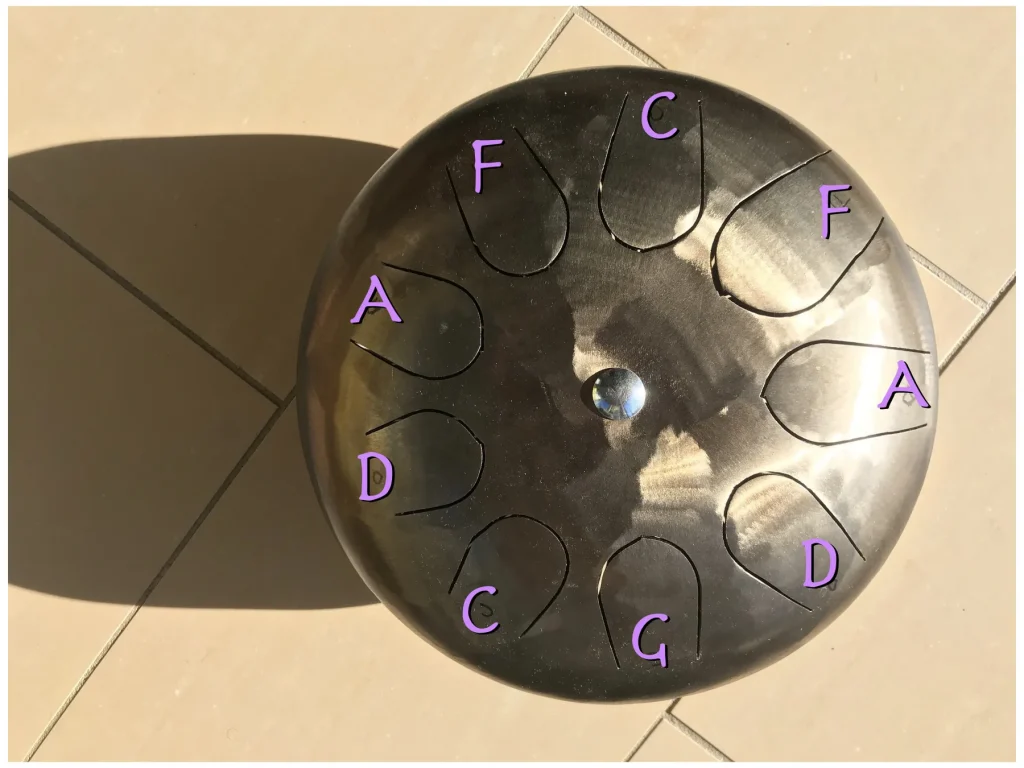
The tongue drum is a melodic musical instrument that appeals to beginners and experienced musicians alike. Its ease of use and soothing sounds make it an ideal choice for anyone who wants to learn to play without difficulty.
To make effective progress, it is essential to follow suitable tongue drum sheet music and use structured playlists. According to research by Emmanuel Bigand of the CNRS, musical practice stimulates cognitive abilities and improves concentration.
Discover 50 songs specially arranged for this instrument, along with practical advice such as using finger protectors during extended sessions. To choose the model that meets your needs, consult our complete guide.
Why use a playlist to practice the tongue drum?
A well-designed playlist transforms the way you learn the tongue drum. It structures your practice, guides you through the melodies, and helps you progress quickly. According to a CNRS study, using visual aids increases retention by more than 30%. This applies perfectly to this musical instrument.
The benefits of guided musical practice
A suitable playlist optimizes your learning time. It lets you identify rhythmic patterns visually, reducing common mistakes such as wrong notes or forgotten sequences. For example, sight-reading “Over the Rainbow” becomes more accessible to beginners.
In addition, using the stickers supplied with the instrument makes it easier to recognize the notes. This makes playing smoother and more enjoyable.
How a playlist improves your learning
A well-structured playlist gradually introduces advanced notation, such as rests and ties. This lets you move from a beginner level to an intermediate level without difficulty. One player reports having tripled their repertoire in just three months using this method.
- Optimized practice time through rhythmic patterns.
- Prevention of common mistakes.
- Gradual introduction of advanced techniques.
How to choose the right playlist for your level
Choosing the right selection of pieces is crucial for making effective progress. Whether you are a beginner or an experienced player, a selection suited to your level helps you master the instrument more quickly.

Where beginners should start
Beginners should start with simple sheet music. Choose pieces with a limited number of notes and a slow tempo. This allows you to become familiar with the basics without feeling overwhelmed.
For example, themed selections such as those devoted to meditation are ideal for getting started. They offer soothing melodies that are easy to reproduce.
Challenges and progress for advanced players
For experienced players, selections should include complex songs. Pieces such as Pachelbel’s Canon in D or compositions by Metal Sounds offer a stimulating challenge.
These pieces incorporate advanced techniques such as polyrhythms and harmonics. They allow you to refine your playing and explore new sounds.
To choose the ideal selection, consult our complete guide. You will find advice suited to every level.
Techniques for maximizing the effectiveness of your practice
Improving your rhythm and mastering complex melodies require a focused approach. By using structured methods, you can progress quickly and make your playing smoother.
Using the playlist to improve your rhythm
A well-designed playlist helps you work on your rhythm effectively. Divide pieces into four-bar sections to make learning easier. Use a digital metronome to maintain a steady tempo.
The technique of alternating strokes between the left and right hands, inspired by Master the Handpan lessons, is particularly useful. It improves coordination and accuracy.
Learning to play complex melodies
To master complex melodies, begin with melodic and harmonic isolation exercises. The slow-practice technique, which involves reducing the tempo to 50%, is ideal for understanding each note.
Practice the transitions between musical phrases to make your playing more fluid. For example, John Lennon’s “Imagine” is an excellent practice piece for intermediate players.
These techniques will allow you to enrich your experience and push your limits.
The best resources for finding playlists
Exploring the available online resources can greatly enrich your musical experience. Whether you are looking for simple sheet music or complex melodies, several online platforms and communities offer solutions suited to your needs.

Online platforms for downloading playlists
Several specialized websites allow you to find sheet music and playlists for every level. MusicNotes, for example, offers interactive formats that make learning easier. Sheet Music Plus provides a vast library of classical and modern sheet music.
Pinterest is another useful online resource, particularly for discovering creations shared by other musicians. These platforms include advanced filters to refine your searches by difficulty level or musical style.
Communities and forums for exchanging playlists
Online communities are ideal for exchanging sheet music and advice. Music forums allow users to share free PDF files or video tutorials. The Instruments du Monde PDF library is a valuable reference for beginners.
Contributing to these community libraries can be rewarding. You can also set up Google Scholar alerts to follow new academic publications on the subject.
| Platform | Available formats | Advanced filters | Sheet music quality |
|---|---|---|---|
| MusicNotes | Interactive PDF, video | Yes | High |
| Sheet Music Plus | PDF, print | Yes | High |
| PDF, images | No | Variable |
How to incorporate the playlist into your practice routine
Incorporating a music selection into your daily routine can transform your progress. It helps structure your time and makes every session more productive. Good organization is essential for effectively learning to play.

Creating an effective practice schedule
A well-designed schedule is the key to optimizing your sessions. Start with 30-minute sessions each day using the Pomodoro method. Divide your time into 25-minute practice intervals followed by five-minute breaks.
Incorporate technical exercises into your practice sessions to strengthen your skills. For example, work on transitions between pieces of sheet music to make your playing more fluid. Set weekly SMART goals to measure your progress.
Combining the playlist with other learning methods
Combining your music selection with other learning methods can accelerate your progress. Use comparative recordings to evaluate your performance and identify areas for improvement.
Video lessons, such as those on the Metal Sounds YouTube channel, are an excellent supplement. They provide detailed explanations and practical demonstrations. By combining these resources, you enrich the way you play and explore new techniques.
Tips for avoiding common mistakes
To make effective progress, it is crucial to know which mistakes to avoid while practicing. According to one study, 68% of beginners give up because they overexert themselves at the outset. By following the right advice, you can optimize your experience and avoid common pitfalls.
Do not become overwhelmed by the choice of selections
With so many pieces available, it is easy to feel lost. To avoid this, use a selection method based on progressive difficulty levels. Start with simple melodies before moving on to more complex compositions.
Effective time management is also essential. Limit your sessions to no more than 25 minutes to maintain concentration and avoid fatigue. This will allow you to progress without exhausting yourself.
Avoid neglecting the technical basics
Technical basics are the foundation of successful practice. Before attempting complex pieces, make sure you have mastered the fundamentals. A list of essential techniques can guide you.
For example, a common mistake is misinterpreting ties. To correct this, take the time to understand each notation symbol. Warming up your hands beforehand is also recommended to prevent friction injuries.
- Select pieces suited to your level.
- Master the basic techniques before progressing.
- Limit your sessions to 25 minutes for greater effectiveness.
Sharing and exchanging your playlists with other players
Sharing your musical creations can enrich both your experience and that of others. Whether you are a beginner or an experienced player, engaging with a community of enthusiasts is a source of inspiration and progress. It allows you to discover new tongue drum sheet music and improve the quality of your playing.
How to create and share your own playlists
To create music selections, use software such as MuseScore or Flat.io. These tools allow you to structure your tongue drum sheet music precisely. Add details such as the tempo and tuning to make it easier to understand.
Once your playlist is ready, share it on platforms such as SoundCloud or in dedicated Facebook groups. These spaces are ideal for reaching an active and engaged community.
Benefiting from community feedback
Feedback from other musicians is essential for making progress. Take part in monthly music challenges to test your skills and receive constructive criticism. Use a structured assessment grid to analyze the comments.
For example, a playlist shared on Reddit went viral thanks to precise and supportive feedback. This demonstrates how beneficial such exchanges can be when practicing this musical instrument.
- Use software such as MuseScore to create tongue drum sheet music.
- Share your creations on SoundCloud or in Facebook groups.
- Take part in music challenges to receive constructive feedback.
Conclusion
Practicing the tongue drum offers both technical and cognitive benefits. This musical instrument stimulates concentration and improves coordination while providing a soothing musical experience. To progress, it is essential to follow suitable sheet music and attend national gatherings where you can exchange ideas with other enthusiasts.
Resources such as Metal Sounds and Instruments du Monde are ideal for enriching your learning. As sheet music formats evolve, accessing a variety of melodies is easier than ever. Feel free to share your creations and contribute to this dynamic community.
Whether you are a beginner or an experienced player, the tongue drum is an excellent way to learn to play while exploring your creativity. Get started and discover the many possibilities offered by this unique instrument.