
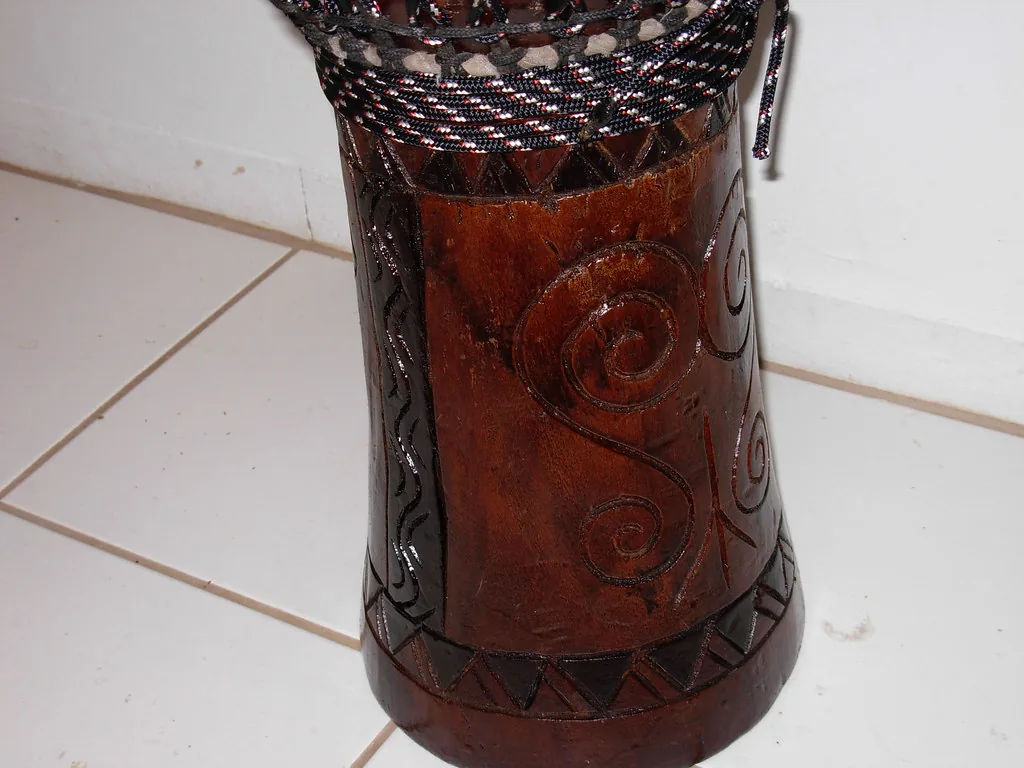
The djembe is a fascinating African drum that offers a unique musical experience. This guide has been viewed more than 21,230 times. It aims to help everyone learn the djembe. We will show you how to play it by following practical advice.
Start with simple rhythms at a moderate tempo. Learn to strike the djembe while producing its three main sounds: bass, open tone, and slap. To help you concentrate, play in a quiet place.
Whether you are sitting, standing, or walking, each position has its advantages. The djembe has held an essential place in music for more than ten years. Regular practice can help you become an expert.
Playing with others will improve your ability to keep time. Ready to begin? Follow our advice to learn how to play the djembe effectively!
Introduction to the Djembe
The djembe comes from Africa, more specifically from the Mali Empire, and has existed for more than 700 years. It holds a very important place in djembe culture. It is associated with sacred rituals and ceremonies.
Blacksmiths made this instrument for each player. They incorporated cultural and spiritual elements into it.
Djembe culture encompasses many forms of musical expression and many playing styles. Each reflects the heritage of ethnic groups. Griots, or jeli, often play the djembe. They preserve their people’s oral history.
The djembe has become a symbol of unity and fellowship. It is popular throughout the world. Canadian craftspeople began making it in the 1970s.
| Characteristics | Traditional | Alternative |
|---|---|---|
| Materials | Wood | Fiberglass, plastic, aluminum |
| Height | 50 to 60 cm | 20 to 40 cm (miniatures) |
| History | Rituals and ceremonies | Modern innovations and contemporary performances |
Djembe culture inspires generations. It brings people together through music and celebration. The history of the djembe shows how music transcends cultural and geographical boundaries.
The Basics of Holding a Djembe
A good djembe position is crucial for playing comfortably and effectively. There are two main playing positions: sitting or standing. These positions help musicians fully express their talent and interact with the instrument.
Seated Positions
If you play while seated, choose a chair without armrests or sit directly on the djembe. This position helps keep your back straight and makes breathing easier. Place the djembe between your legs and tilt it slightly for better access to the striking surfaces.
Standing with a Harness
A harness is recommended when standing. It holds the djembe at waist height and provides greater freedom of movement. Make sure the harness is adjusted correctly to prevent the instrument from slipping.
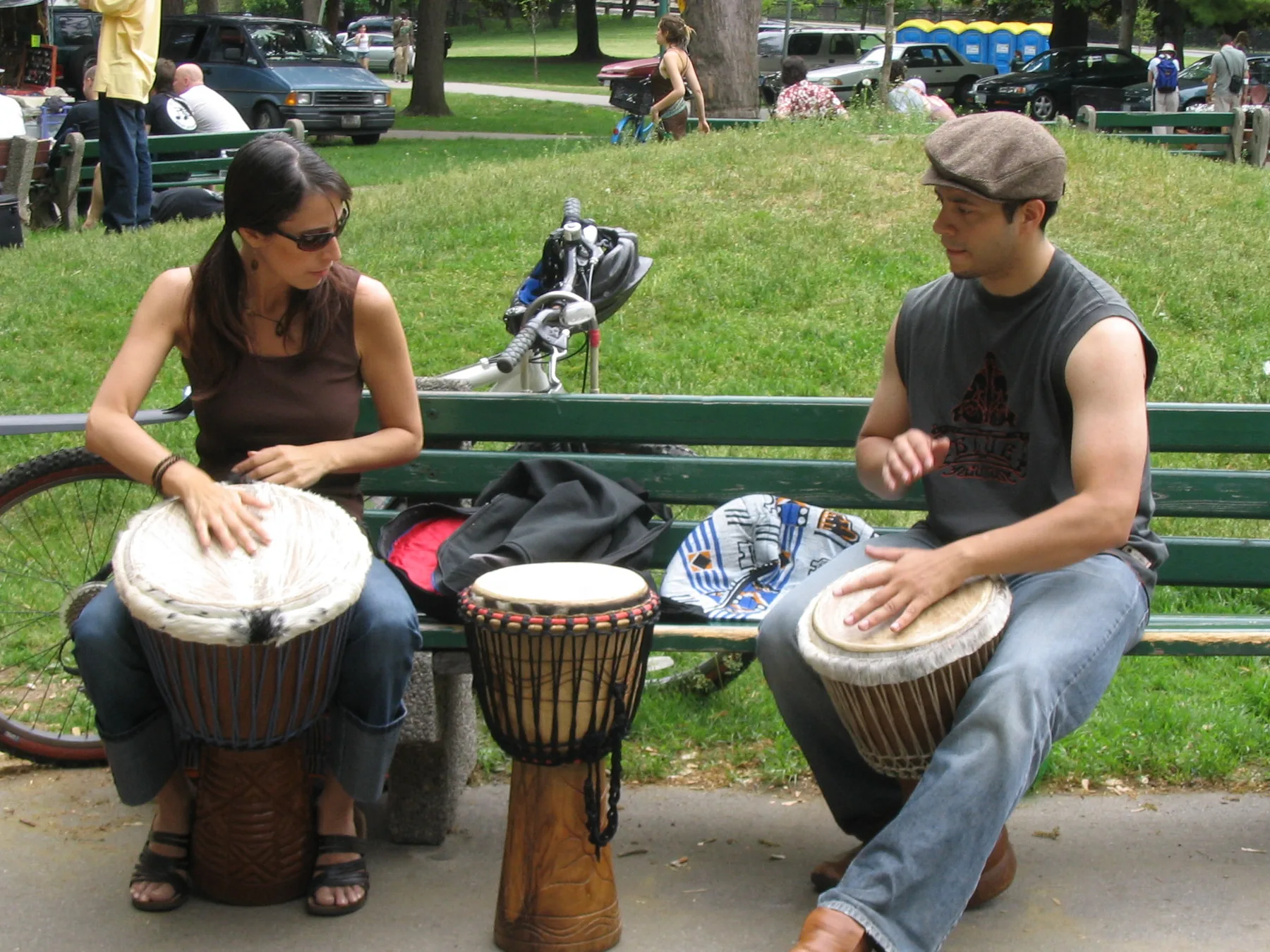
To learn more about the djembe, consult online guides or explore different playing techniques. This can enrich your musical experience.
How to Strike or Tap a Djembe
The djembe requires specific striking techniques. These make it possible to create varied sounds and enrich the music. Learning how to strike a djembe is essential for expressing emotions.
Variety of Strokes
Musicians produce different sounds on the djembe. They use the bass, tone, and slap. Each sound brings a unique color to the music. Here are the main sounds:
- The bass: this is a deep sound produced with the palm. It is perfect for important moments.
- The tone: a high-pitched sound produced by striking the edge with the fingers while angling the hand.
- The slap: difficult to master, this sharp sound requires a quick wrist movement.
Essential Striking Techniques
Mastering striking techniques is crucial. Regular practice improves sound quality. Here are some tips for learning:
| Technique | Description | Advice |
|---|---|---|
| Tone stroke | Use your fingers to produce a clean sound. | An angled hand produces a better tone. |
| Bass stroke | Strike with your palm and let your hand rebound. | Light pressure helps prevent fatigue. |
| Slap stroke | Spread your fingers and use a wrist movement. | Avoid using too much force if you want a clear sound. |
Djembe Playing Techniques
Djembe playing techniques are essential for creating rich and varied sounds. By learning different strokes, musicians can play with passion and precision. The three basic strokes are essential for mastering this fascinating instrument.
Tone Stroke
The tone stroke is played with the fingers on the edge of the drumhead. It produces a clear, high-pitched sound. It is a fundamental technique for achieving powerful rhythmic playing.
Beginners should focus on this technique. It enables them to build a solid foundation for their performances.
Bass Stroke
The bass stroke uses the palm and the weight of the arm. It produces a deep, powerful sound. This technique adds depth to the djembe’s sound.
It is essential when playing in a group because it enriches the rhythm.
Slap Stroke
The slap stroke produces a sharp, rapid sound. It relies on the fingers opening quickly. This technique adds energy and liveliness to the performance.
By incorporating it into rhythms, musicians captivate their audience. They play with energy and passion.
To improve these techniques, online tutorials and practical articles are useful. Regular practice improves skills and the understanding of rhythm. This is important for playing in a group and establishing deep rhythmic communication.
How Do You Play the Djembe?
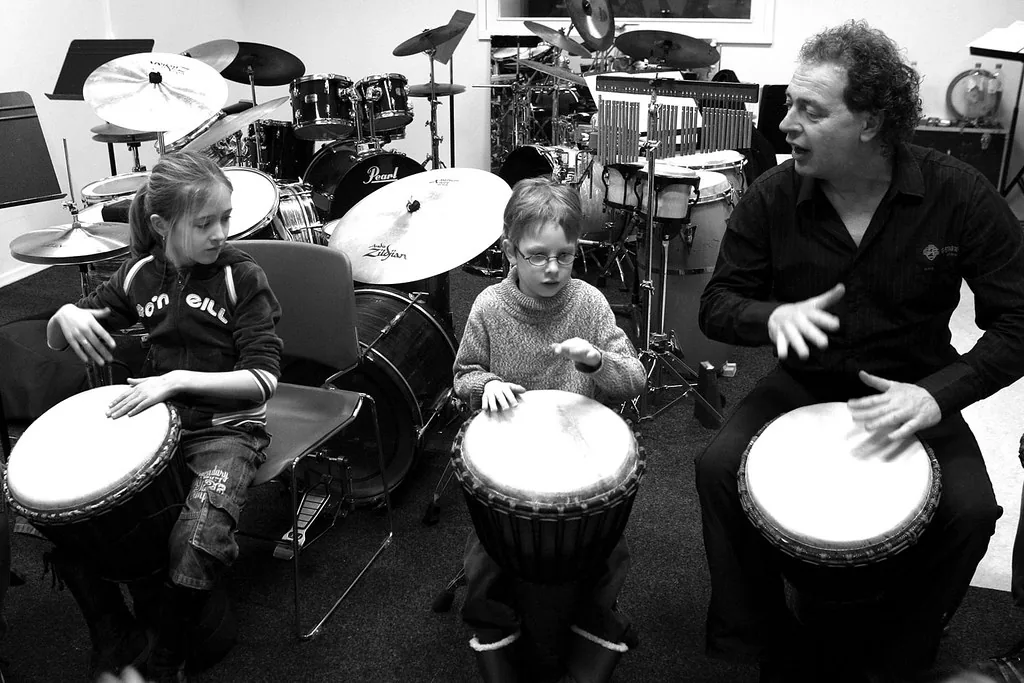
A structured learning method is essential if you want to play the djembe easily. The fundamentals, such as the tone stroke, bass stroke, and slap stroke, are crucial. Easy-djembe’s online djembe lessons, taught by Patrice Effoudou, are suitable for every level. They include free access to a lesson on the Didadi rhythm.
It is wise to take online djembe lessons or attend lessons in person. This allows you to learn correctly without developing bad habits. Practicing regularly, even in short sessions, improves endurance and accuracy. Recording your sessions helps you monitor your progress and adjust your techniques.

Learning the djembe creates a friendly atmosphere, especially when playing with other people. Many online resources, including video tutorials and articles, are available for independent study. Solid-wood djembes offer exceptional sound, while modern versions made from synthetic materials are more affordable.
| Djembe type | Level | Intended players |
|---|---|---|
| Small | Beginner | Children and new players |
| Standard | Intermediate | Players with a few years of experience |
| Large | Experienced | Advanced percussionists |
Exploring various rhythms and musical styles stimulates creativity. This playful approach enriches the musical experience and strengthens skills. Setting clear short- and long-term goals allows everyone to guide their progress.
Learning Djembe Rhythms
Learning djembe rhythms is essential for every percussionist. Traditional rhythms are at the heart of African music. They provide a foundation for improvisation and personal expression.
Rhythms such as Soko and Kassa bring cultural richness. Every musician should know them. These rhythmic foundations improve technical skills and appreciation of the musical heritage.
Traditional Djembe Rhythms
Traditional rhythms are living and evolving. They allow players to immerse themselves in African styles. Begin with simple patterns, then add variations to become more fluent.
Listening to other percussionists live or online is very useful. It makes rhythms easier to learn.
Practical Exercises for Beginners
Beginners should practice regularly. Websites such as Pratiquetv and Bala Land offer progressive lessons. They allow learners to proceed at their own pace.
In addition to taking online lessons, participating in group workshops is helpful. This encourages interaction and enriches the learning experience. These collective efforts improve rhythm practice and communication among musicians.
FAQ
Which djembe playing techniques should I master?
Where can I find online djembe lessons?
How can I improve my ability to play the djembe easily?
Which djembe rhythms should I learn first?
Which positions are recommended when learning to play the djembe?
How should I do the practical exercises for beginners?
Source Links
- https://instruments-du-monde.com/en-us/blogs/djembe/how-many-types-of-djembes
- https://echarry.faculty.wesleyan.edu/jembeguide/
- https://www.today.duke.edu/2024/12/meaningful-sounds-djembe-drum
- http://www.margaretharmer.com/percussion.html
- https://stagesmart.org/uploads/3/5/1/1/35117580/djembe-the-show-ed-guide-web.pdf