
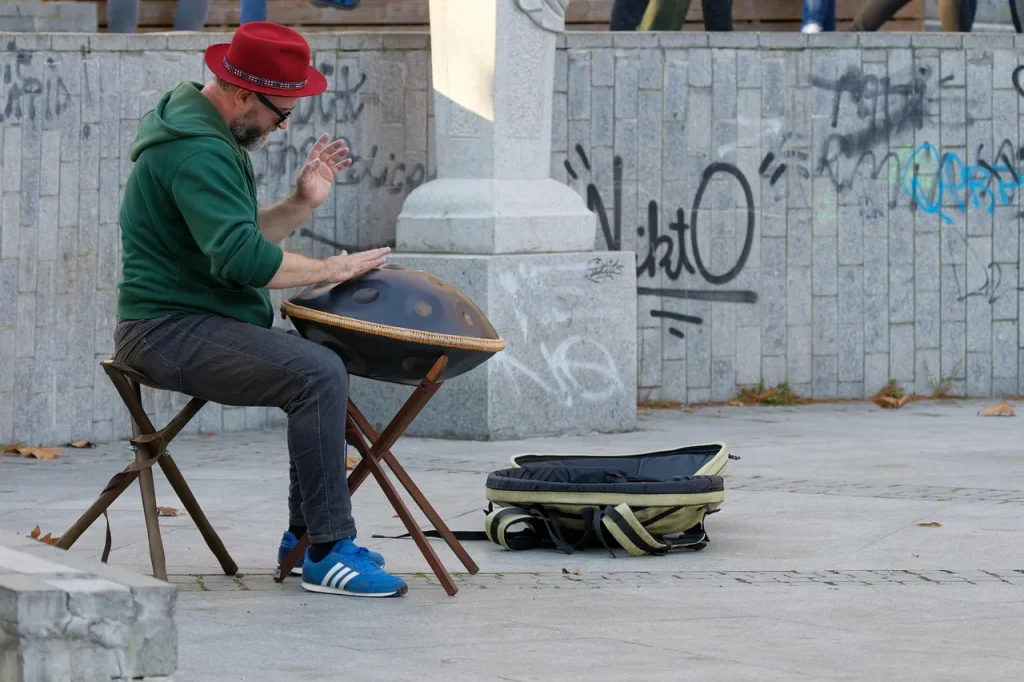
The price of a handpan often raises questions. This cost is not simply a number, but the result of many factors. The quality of the materials, the craftsmanship and the number of notes are crucial elements to consider.
Moreover, most makers do not publish their prices online. Each piece is often made to order, which reduces price transparency. To obtain an accurate quote, it is essential to contact the craftspeople directly.
It is also important to remember that the price is influenced by supply and demand. Consequently, a high price does not always guarantee superior quality. To better assess value for money, players’ experiences and community reviews can be very useful.
Why do handpan prices vary so much?
The cost of handpans is influenced by several factors. Every element of the manufacturing process, from tuning to material quality, plays an essential role in determining the price. Understanding these criteria can make it easier to grasp the price differences found on the market.
Key quality criteria
When assessing a handpan, several quality criteria should be considered:
- Purity of sound: A good instrument should produce clear, resonant notes.
- Sustain: The length of time a note resonates after being struck is a key indicator of quality.
- Craftsmanship: The maker’s experience and manufacturing method greatly influence quality.
- Overall condition: A well-maintained instrument will last longer and deliver better sound quality.
Impact of the number of notes and tuning
The number of notes on a handpan is a determining factor in its price. For example, a 9-note model requires less work than a 17-note model. This often results in a lower cost.
Tuning is also crucial. This meticulous process can take hours, with each note requiring special attention. Good tuning ensures sound quality, which accounts for a significant share of the final price.
It is important to note that some scales can be more complex to tune, which affects the cost. Moreover, in some cases, a handpan from an emerging maker can offer impressive quality at a more affordable price.
To learn more about prices and quality criteria, you can read this article about handpan costs.
The manufacturing process explained
Making a handpan is an art that requires patience and expertise. Every stage, from selecting the materials to the final tuning, plays a crucial role in the instrument’s sound quality. Understanding this process helps you appreciate the value of such a handcrafted masterpiece.
Choosing materials: nitrided steel or stainless steel
The choice of materials is fundamental when creating a handpan. Craftspeople often choose between nitrided steel and stainless steel. Nitrided steel, for example, undergoes heat treatment that improves its strength and tone. This involves additional costs and a longer manufacturing time.
Stainless steel, such as grades 430 or 441, produces a more compressed tone and longer sustain. The choice often depends on the musician’s playing style and tonal preferences.
Careful shaping, drilling and tuning
Shaping the sheet steel is a laborious step that requires exceptional skill. Each piece is shaped by hand, and the note areas must be formed with millimetre precision. This directly affects the instrument’s sound and quality.
Tuning is the most critical stage. Each note is hammered thousands of times to achieve perfect pitch. A high-end handpan may require several weeks of work, reflecting the makers’ commitment and expertise.
In short, making a handpan is a complex process. Every instrument is unique, and the time invested by the craftsperson results in exceptional sound quality. To learn more about this subject, read this article about the handpan manufacturing process.
Handpan price: how much does a good instrument cost?
Understanding the cost of a handpan requires exploring several fundamental aspects. Prices can vary considerably depending on quality, the number of notes and the maker’s expertise.
Prices for a standard 7- to 8-note range
For a standard 7- to 8-note model, prices generally range from €1,100 to €2,000. The price depends heavily on the maker’s reputation and the quality of the materials used.
Well-known brands such as Schlagwerk and Meinl offer reliable options in this price range. This ensures a certain level of sound quality and worthwhile durability.
Prices of high-end and custom models
High-end models offering exceptional tonal richness generally cost between €2,000 and €3,500. These instruments are often more complex to make, which justifies their higher cost.
For custom models with a large number of notes and special specifications, the price can exceed €3,500. This reflects the craftsmanship and time invested by the makers.
Price range observed in France
In France, the handpan market is expanding rapidly. Prices vary according to customisation options, such as the choice of steel or a specific tuning.
It is possible to find quality instruments at affordable prices by watching for promotions and offers from emerging makers.
Ultimately, the cost of a quality handpan is justified by the craftsmanship involved, similar to that required to make a high-end cymbal, which produces only a single note.

The role of supply and demand in handpan prices
Changes in handpan prices are closely linked to supply-and-demand dynamics. The popularity of these instruments increases every year, resulting in demand that far exceeds the available supply.
The main reason for this situation is the limited number of skilled makers. This means that quality instruments often remain expensive. Furthermore, the complexity involved in making each piece helps keep prices high.
Waiting times for a handpan can extend over several months. This factor has a direct effect on the price, because restricted supply and growing demand lead to higher prices.
Fortunately, new makers emerge every year, making the market more competitive. This may help make prices more accessible to buyers.
User reviews and experiences also play a crucial role in a maker’s reputation. Positive feedback can increase demand for their instruments.
It is interesting to note that some rare models, such as vintage PANArt Hangs, can command exceptional prices because of their rarity. This highlights the importance of perceived quality in the handpan world.
Finally, the time required to make a handpan cannot be reduced beyond a certain point. Supply therefore cannot adjust quickly to meet growing demand. The most highly regarded makers often have longer waiting lists, which can influence perceptions of quality.
In short, the handpan market is constantly evolving. As the number of makers increases, prices may stabilise in the future.
Buying a second-hand handpan: benefits and precautions
Choosing a second-hand handpan can be an excellent solution for anyone who wants to acquire a quality instrument without spending a fortune. Many owners offer their instruments at attractive prices, sometimes even reducing them for a quick sale.
It is essential to know where to look for reliable offers. Specialist forums and Facebook groups such as “Handpan Instruments” or “Swap and Sale” are ideal places to find second-hand handpans. The MasterTheHandpan community, for example, has an active section where enthusiasts can trade their instruments with confidence.
When considering a purchase, it is crucial to remain vigilant. Scams are becoming increasingly common in the second-hand market. At best, an honest seller will provide a test video proving that the instrument is still perfectly in tune. Be wary of offers that seem too good to be true, as they may conceal counterfeit instruments or instruments in poor condition.
Here are a few tips to help you avoid pitfalls when buying:
- Check the tuning: An out-of-tune instrument can incur additional restoration costs.
- Inspect the instrument visually: Look for signs of damage, such as dents or rust.
- Ask for reviews: Other buyers’ experiences can help you assess the seller’s reliability.
- Request a video: A good seller should be willing to show you the instrument being played.
Finally, bear in mind that the price of a second-hand handpan can fall below €500, but this calls for great caution. Low-priced instruments may conceal tuning defects or be counterfeit. By taking all the necessary precautions, buying second-hand can provide a wonderful gateway into the world of handpan music.
For more information about purchasing best practices, read our guide on how to find good value for money.
Budget-friendly alternatives to the handpan
If the cost of a handpan seems too high, there are several interesting alternatives. These options let you explore music without spending too much while still offering captivating sounds.
The tongue drum: an intermediate step
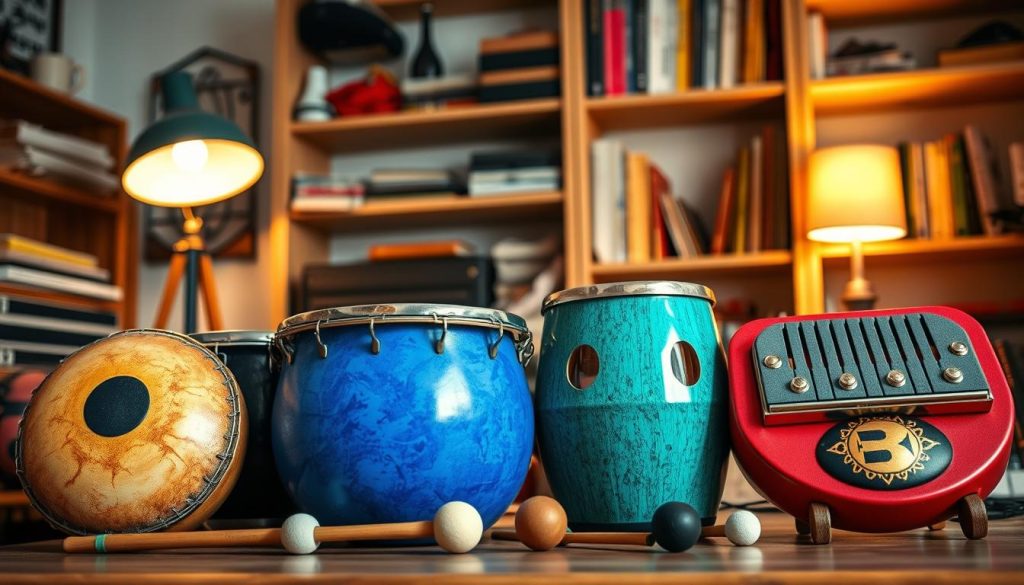
The tongue drum is an appealing alternative. With soothing sounds similar to those of the handpan, it is often available for between €100 and €400. This makes it an ideal choice for beginners.
This type of instrument is an excellent way to begin exploring melodies without spending a fortune. By playing a tongue drum, you will develop your musical ear and sense of rhythm. This lays the groundwork for a possible transition to a handpan.
The kalimba and other affordable melodic instruments
The kalimba, a small instrument with metal tines, is another economical option. Perfect for discovering meditative music, it is especially suitable for children. Its affordable price makes it an excellent choice for those who want to introduce younger people to music.
These instruments belong to the category of melodic sounds, often used in music therapy. They provide relaxing benefits similar to those of the handpan.
Here is a comparison table to help illustrate the differences between these alternatives:
| Instrument | Price range | Features | Use |
|---|---|---|---|
| Tongue drum | €100–€400 | Soothing sounds, easy to play | Beginners, music therapy |
| Kalimba | €30–€100 | Compact, simple melodies | Children, meditative music |
These alternatives offer excellent value for beginner musicians. Choosing between a tongue drum and a handpan will depend on your budget and your tonal expectations. These instruments are readily available in most music shops and online, with a wide selection of scales and finishes.
Starting with a tongue drum may help you confirm your passion for melodic sounds before investing in a handpan. Every note produced by these instruments brings you closer to the handpan’s sound world, making the transition more natural.
For more information about purchasing best practices, feel free to read our comparison guide to handpans and tongue drums.
Tips for choosing the right handpan for your budget and expectations
Making an informed decision about buying a handpan requires a careful assessment of your expectations. Before you begin, it is crucial to consider several factors so that you can make a wise choice.
Assessing value for money
To determine whether a handpan offers good value for money, it is important to consider the maker’s reputation. A recognised craftsperson often provides superior sound quality and greater durability.
Read reviews from other musicians. Their experiences can help you identify which models are truly worth their price. Bear in mind that price should not be your only selection criterion.
A high-end instrument may be a better long-term investment. It can also provide an enriching musical experience.
Considering lead times and customisation
Manufacturing lead times can vary considerably. For custom models, it is common to wait several months. This is especially true for instruments with a large number of notes.
Customising your handpan, particularly the choice of scale and steel, directly affects the final price and waiting time. It is therefore essential to think carefully about your choices before placing an order.
Finally, do not hesitate to request quotes from several makers. This will allow you to compare prices and find the best value for money. By taking the time to assess your options carefully, you can ensure a satisfying purchase that will accompany your musical passion for many years.
Conclusion
In conclusion, the price of a handpan reflects meticulous craftsmanship, from manufacturing to tuning each note. Although expensive, this musical instrument is an investment that can enrich your musical life for years.
It is essential to consider value for money in relation to your budget and tonal expectations. As the number of makers increases, the market is becoming more accessible and offering varied options for every type of player.
Before buying, take the time to compare instruments, read reviews and try them out. Quality can be heard in the tone and accuracy of the tuning, ensuring a unique musical experience. Who knows—perhaps one day you will be fortunate enough to own a beautiful collection of instruments without too much financial strain.
For more information about prices and quality criteria, read our article about handpan costs.