
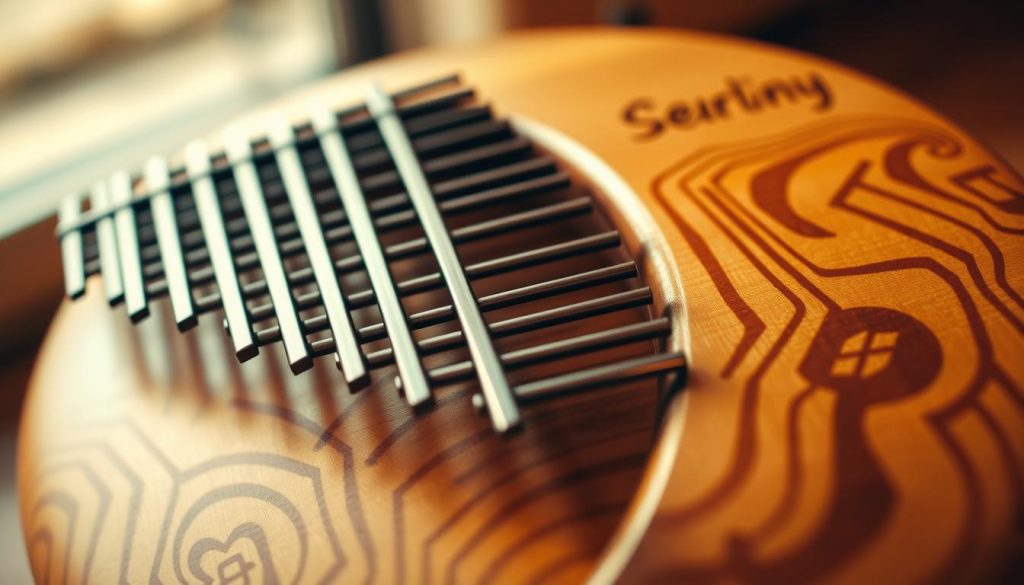
The tongue drum is a unique musical instrument, valued for its soothing and versatile tones. With a multitude of models available on the market, making the right choice may seem complicated. However, defining your needs and understanding the essential criteria makes the process much easier.
Whether you are a beginner or an experienced musician, it is crucial to determine how you intend to use this instrument. Do you want to play solo or in a group? Would you rather compose music or relax? These questions will guide your selection. The number of tongues, the size, and the instrument’s frequency are determining factors, for example.
To learn more about the differences between the types of tongue drums, read our complete guide. With the right information, you will find the instrument that perfectly matches your expectations.
Introduction to the tongue drum
The origins of the tongue drum can be traced back to pre-Columbian civilizations. This unique instrument, often compared with Mayan teponaztlis, evolved over the centuries into a modern and versatile musical tool.
The tongue drum is a metal idiophone composed of cut-out tongues that vibrate to produce melodious sounds. Unlike the handpan, which is hammered into shape, this instrument relies on the precise cutting of its components to create harmonious resonance.
The evolution of this instrument reached a turning point in 2007, when Dennis Havlena innovated by using a propane tank as its base. This invention helped popularize the use of the tongue drum and made it accessible to a wider audience.
The acoustic mechanism of the tongue drum is based on the vibration of its tongues and the resonance of its body. These characteristics make it an ideal tool for relaxing music and well-being sessions. Scientific studies have also validated its therapeutic applications.
Whether you are passionate about music or looking for a relaxation tool, the tongue drum offers a unique listening experience. Its soothing sounds and ease of use make it an ideal companion for everyday well-being.
Essential criteria for choosing a tongue drum
When selecting an instrument, several technical aspects must be considered. These criteria influence not only the quality of its tones, but also ease of use and portability.

Number of notes: a crucial choice
The number of notes available on the instrument determines its versatility. A model with more notes offers greater melodic variety, making it ideal for complex compositions. Conversely, fewer notes may be better suited to relaxation or meditation sessions.
It is also important to consider the spacing between the tongues. If they are too close together, vibrational interference may occur and affect the clarity of the tones. A good balance between the number of notes and their arrangement is therefore essential.
Tongue drum size: portability and tone
The instrument’s size plays a major role in its portability and sound characteristics. A small-diameter instrument, such as a 25 cm model, is lightweight (around 2 kg) and easy to carry. However, it produces brighter, less profound tones.
Conversely, a 40 cm instrument weighing up to 5 kg offers richer, deeper tones. This size is ideal for stage performances but less practical for frequent travel. Padded bags designed for travelers are available to protect the instrument while preserving its sound quality.
In summary, the choice of size depends on the intended use. A small format is suitable for meditation, while a large format is better suited to musical performances.
Manufacturing materials
The selection of materials plays a key role in creating unique tones. Each metal has its own acoustic characteristics and influences the instrument’s quality and service life. To better understand the differences between tongue drum types, read our complete guide.
Steel, stainless steel, or copper: which material should you choose?
Acoustic properties vary according to the materials. Stainless steel offers a bright tone, while copper provides warmer, rounder resonance. Here is an overview of the available options:
- Mild steel: economical but susceptible to corrosion. A protective coating is recommended to extend its service life.
- AISI 304 stainless steel: resistant to moisture and ideal for outdoor use. Its acoustic quality is appreciated by musicians.
- Copper: produces warm tones but requires regular maintenance to prevent oxidation.
- Premium alloys: titanium steel is favored by professionals for its durability and exceptional acoustic performance.
To protect your instrument, use oils specifically suited to each metal. This care ensures better sound quality and a longer service life.
Essential accessories
To optimize your musical experience, accessories play a key role. They improve your playing, protect the instrument, and make it more versatile. Here is a selection of essential equipment for your tongue drum model.

A beginner’s kit generally includes dual-density felt or rubber mallets. These sticks offer a variety of tones suited to different playing styles. An ergonomic stand can also help you maintain a comfortable posture.
For advanced players, piezoelectric microphones are an excellent option. They provide professional amplification, making them ideal for stage performances. Waterproof cases and chromatic stickers are other practical accessories for protecting and customizing your instrument.
Finally, consider do-it-yourself solutions, such as making homemade anti-vibration pads. These simple tips improve the protection of your tongue drum. Humidity control is recommended during storage to preserve the quality of the materials.
In summary, investing in the right accessories improves not only your playing, but also the durability of your instrument. Choose equipment suited to your model and needs for the best musical experience.
Frequency and tuning
The tuning of a musical instrument profoundly affects its emotional impact and use. For the tongue drum, the selected frequency can transform the musical experience, whether it is used for well-being or performance.

440 Hz or 432 Hz: which tuning should you choose?
ISO 16 established 440 Hz as the international standard. This frequency is widely used in modern music because of its clarity and compatibility with other instruments. However, the 432 Hz movement is growing in popularity, particularly because of its more soothing tones.
According to a study by Professor Marc Henry, a frequency of 429.6 Hz promotes molecular resonance, which could explain its relaxing effects. Although scientific evidence remains limited, many musicians and therapists prefer this frequency for its perceived well-being benefits.
| Frequency | Characteristics | Applications |
|---|---|---|
| 440 Hz | International standard, clear sound | Modern music, stage performances |
| 432 Hz | Soothing tones, molecular resonance | Meditation, music therapy |
| 417 Hz | Liberating effect, release of trauma | Emotional therapy |
Mixed tuning can create technical difficulties when playing in a group. To avoid dissonance, it is essential to select a common frequency or use professional retuning methods, such as adding weights to adjust the resonance.
In summary, your choice of tuning depends on your goals. Whether you want dynamic music or relaxing tones, these tips will help you optimize your experience.
Tongue drum brands
Choosing a tongue drum brand can greatly influence your musical experience. Premium brands often offer extended warranties and superior quality, while generic models may be more accessible in terms of price. However, understanding the differences is essential to making an informed choice.
Brands such as Zenko offer five-year warranties, demonstrating confidence in the quality of their products. By contrast, generic models available on Amazon often have warranties limited to six months. This relationship between price and durability is a key factor to consider.
Brands or generic models: which is the better choice?
Premium brands stand out through advantages such as laser tuning and tone certificates. These features guarantee impeccable pitch accuracy. Generic copies, by contrast, may have irreversible tuning problems that affect the quality of their tones.
Here is an overview of the differences between the two options:
| Criterion | Premium brands | Generic models |
|---|---|---|
| Warranty | 5 years (e.g., Zenko) | 6 months |
| Tuning | Laser tuning, tone certificates | Variable, often less accurate |
| Price | High | Affordable |
| Quality | Superior, premium materials | Variable, often lower |
Emerging brands such as Luvayati focus on environmental considerations and offer sustainably made instruments. If you are undecided, renting an instrument before buying it is an effective way to assess its value for money.
Finally, the secondhand market can be an appealing alternative, provided that you check the instrument’s condition using its serial number. This approach can help you find quality models at a lower price.
Scales and keys
Exploring the scales and keys of a musical instrument opens up a universe of creative possibilities. Each scale creates a unique mood, influencing the melodies and emotions it evokes. Understanding these nuances allows you to adapt your playing more effectively to your artistic intentions.

Major or minor scale: which key should you choose?
The major scale is often associated with joy and lightness. It is ideal for lively, upbeat compositions. The minor scale, by contrast, evokes introspection and melancholy and is perfectly suited to deeper, more emotional pieces.
Some specialized scales, such as Hijaz, are used in Arab-Andalusian music for their cultural richness and expressiveness. These scales offer unique sounds suited to specific musical styles.
Modular systems such as Magnetune technology make it easy to change scales. This flexibility is ideal for musicians who want to experiment with different moods without needing several instruments.
Software compatibility is a major advantage for digital producers. MIDI export makes it easier to integrate melodies into complex musical projects, offering considerable creative freedom.
Finally, discovery packs containing three complementary scales are perfect for developing your playing. They allow you to explore new moods and expand your musical repertoire.
How much to budget
Defining your budget is a key step in acquiring a quality instrument. Prices vary considerably, ranging from €50 to €200 for entry-level models and reaching €700 or more for handcrafted instruments. Choosing the right investment depends on your needs and intended use.
To assess cost-effectiveness, consider durability over five years. A premium model may seem expensive initially, but it offers better sound quality and a longer lifespan. Conversely, budget options may require frequent repairs, increasing their long-term costs.
Hidden costs to anticipate
In addition to the initial price, several extra expenses must be considered:
- Insurance: protect your instrument against damage or theft.
- Maintenance: regular care varies by material. Stainless steel is easier to maintain than copper, which requires specific care.
- Transportation: larger models may require reinforced cases, increasing travel expenses.
To reduce costs, explore options such as crowdfunding for unique models. Some instrument makers may also negotiate, especially if you buy several instruments or accessories.
In summary, a well-planned budget allows you to find an instrument that combines quality with a reasonable price. Consider hidden costs and purchasing strategies to maximize your investment.
Conclusion
Choosing a musical instrument suited to your needs is an important decision. By reviewing the essential criteria, you can make an informed choice. Consider size, materials, and tuning to maximize your musical enjoyment.
Upgrade kits are available to help beginners progress gradually. Visiting a specialist store provides a unique sensory experience and lets you test different models before making your purchase.
Beware of counterfeits: choose reliable sellers to ensure the quality of your instrument. To expand your knowledge, discover our tips on playing techniques.
By following these tips, you will find the ideal instrument to enrich your musical practice and experience unforgettable moments of enjoyment.