
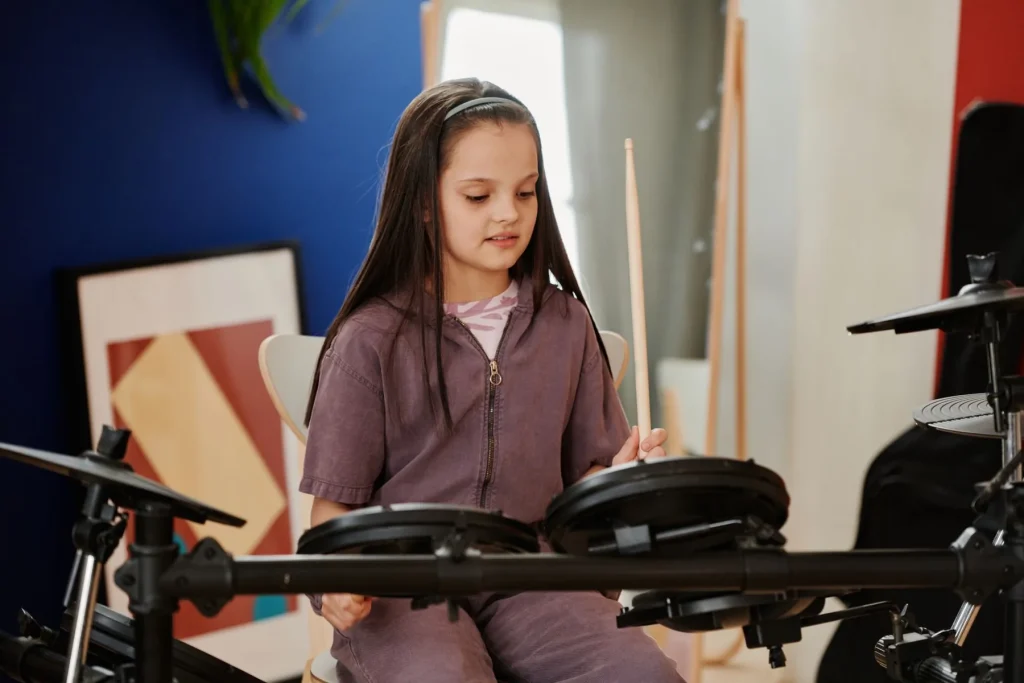
The drums are an incredibly versatile instrument that can be used in many musical genres. If you are interested in learning the drums but do not know where to begin, do not worry. You can easily learn to play the drums on your own with the right tools and learning methods suited to your level.
Fortunately, there are many online drum courses and beginner drum tutorials to help you get started. Self-teaching offers numerous benefits, including a flexible schedule and the ability to work at your own pace.
However, finding the right methods for learning the drums is essential. Otherwise, you may become frustrated and quickly lose motivation. In this article, we will explore different learning methods, exercises, and tips to help you improve.
Choosing Drum Equipment
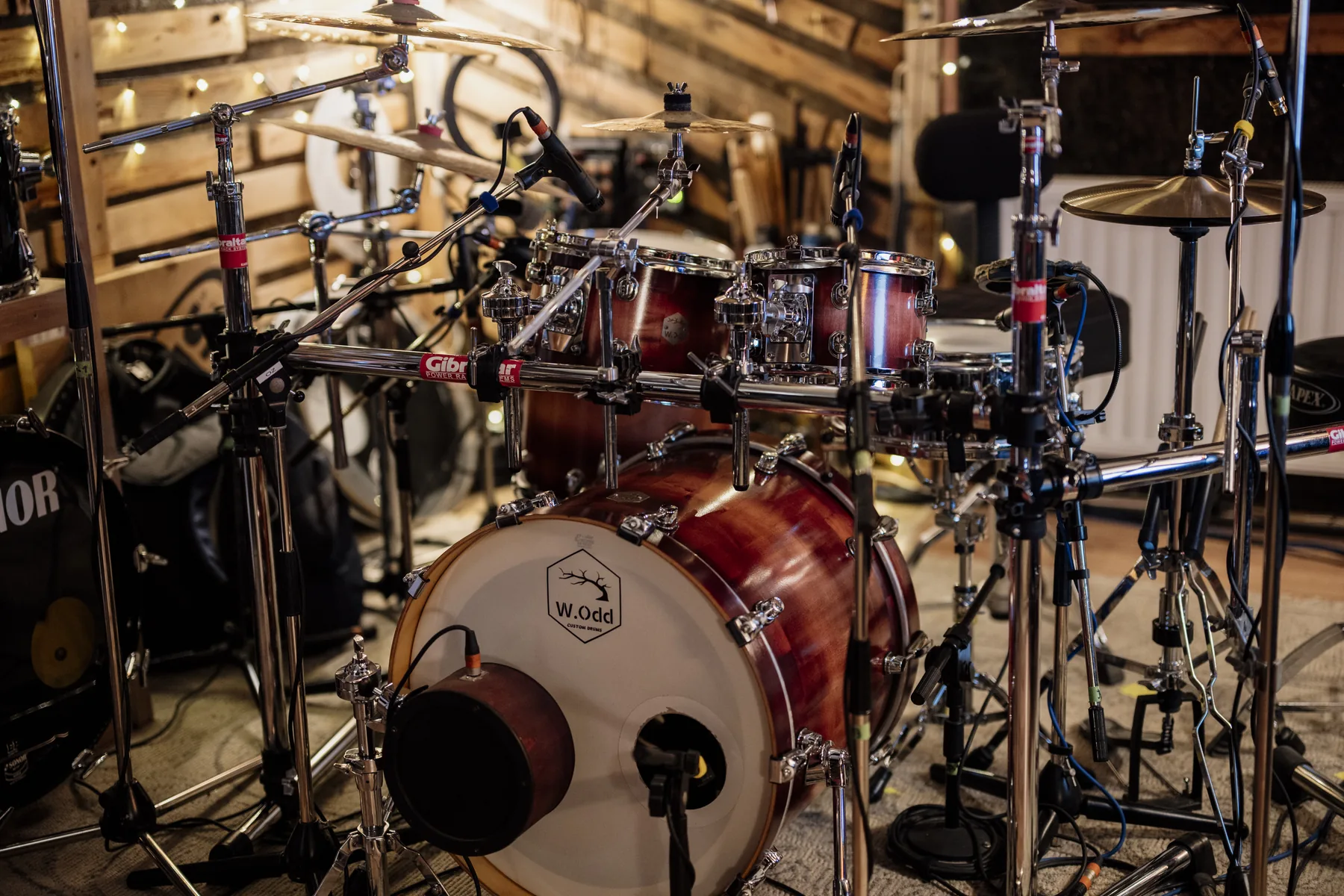
When you want to learn to play the drums on your own, it is important to choose the right equipment.
Your choice of equipment will depend on your level of experience, your budget, the space available to store your gear, and the style of music you want to play. The main types of drum kits are acoustic and electronic kits.
If you are just beginning to learn the drums, an electronic kit is recommended, as it is generally more affordable and quieter than an acoustic model. As for accessories, it is important to get good-quality drumsticks, a metronome, and a comfortable drum throne.
| Type of drum kit | Advantages | Disadvantages |
|---|---|---|
| Acoustic drum kit | – Authentic sound – Realistic playing feel |
– High cost – Can be noisy |
| Electronic drum kit | – More affordable – Quieter – Headphones can be used for silent practice – Variety of sounds and additional features |
– Less realistic playing feel – Patented |
For cymbals, it is recommended that you begin with a pair of 14-inch hi-hats and a 16-inch crash cymbal. It is also important to obtain good-quality drum hardware that will support your equipment securely.
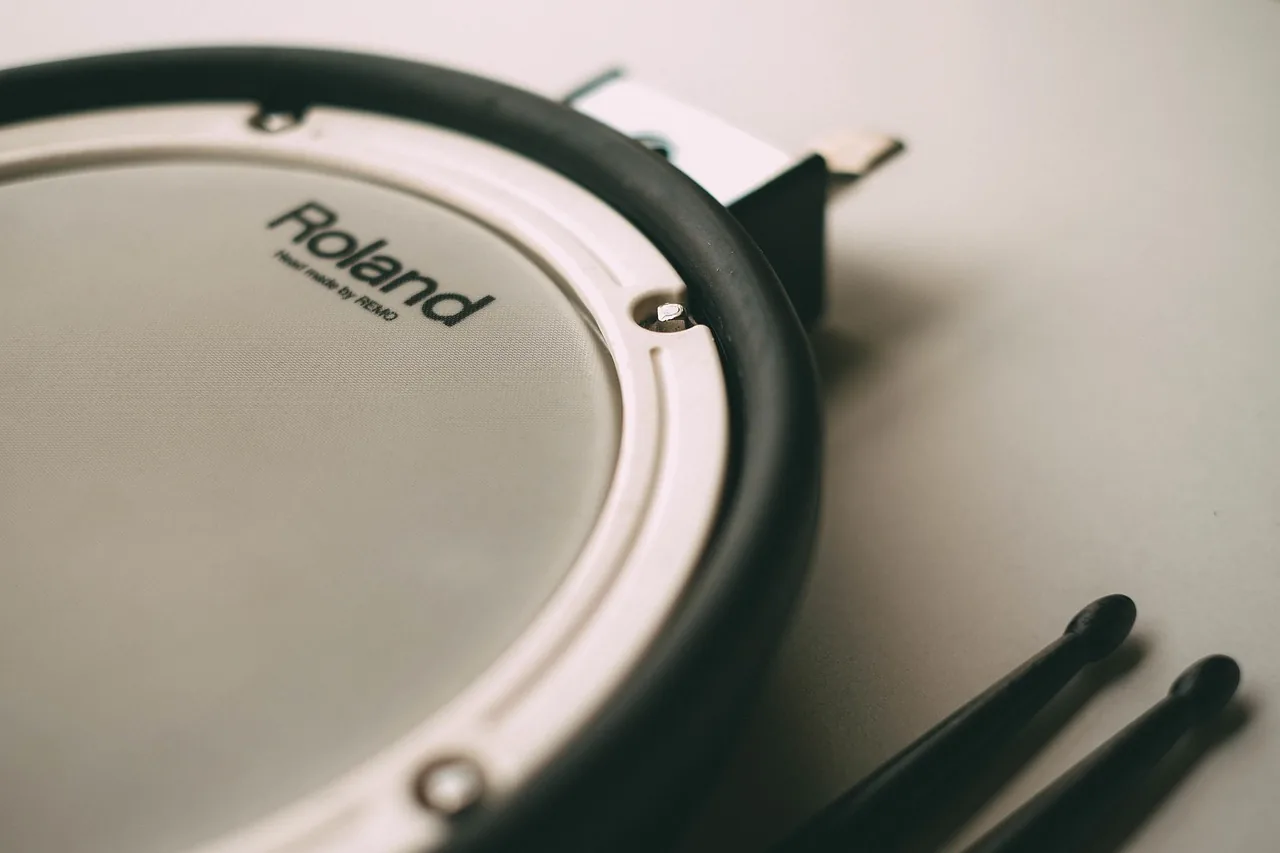
In conclusion, your choice of drum equipment will depend on your needs, budget, and level of experience. An electronic drum kit is generally more affordable and quieter for beginners. It is important to invest in good-quality accessories, such as drumsticks, a metronome, and a comfortable throne, to ensure the best possible experience.
Methods for Learning the Drums
To learn the drums on your own, it is important to adopt suitable learning methods. Numerous resources are available online for beginners, including online drum courses, books, and tutorials. Here are some of the most effective methods for learning the drums.
Online Drum Courses
Online drum courses are a convenient option for learning to play the drums on your own. They offer a well-defined structure that allows you to gradually acquire the necessary techniques and skills. Online drum courses can be tailored to beginners and include guided practice sessions. They also let you learn at your own pace and review lessons as many times as necessary.
Online Tutorials
Online tutorials can be useful when learning the drums on your own because they provide detailed instructions for each technique. They are often free or inexpensive and may include advice for beginners. Online tutorials are available on YouTube and popular drumming websites.
In-Person Drum Lessons
Even if you choose to learn the drums on your own, taking in-person lessons with a drum teacher can be helpful. A drum teacher can help correct technical mistakes and give you personalized advice to improve your practice. In-person drum lessons can also provide a more interactive and social learning experience.
Drumming Apps
Drumming apps can be a fun and convenient way to learn the drums on your own. They may include interactive lessons, videos, and games that help improve drumming skills. Some drumming apps also include backing tracks that let you play along with other instruments.
To learn to play the drums on your own, it is important to find the learning method that best suits your needs and the way you learn. Try different methods to find the one that works best for you, and remember to practice regularly to improve your skills.
Drumming Exercises and Solo Drumming Techniques
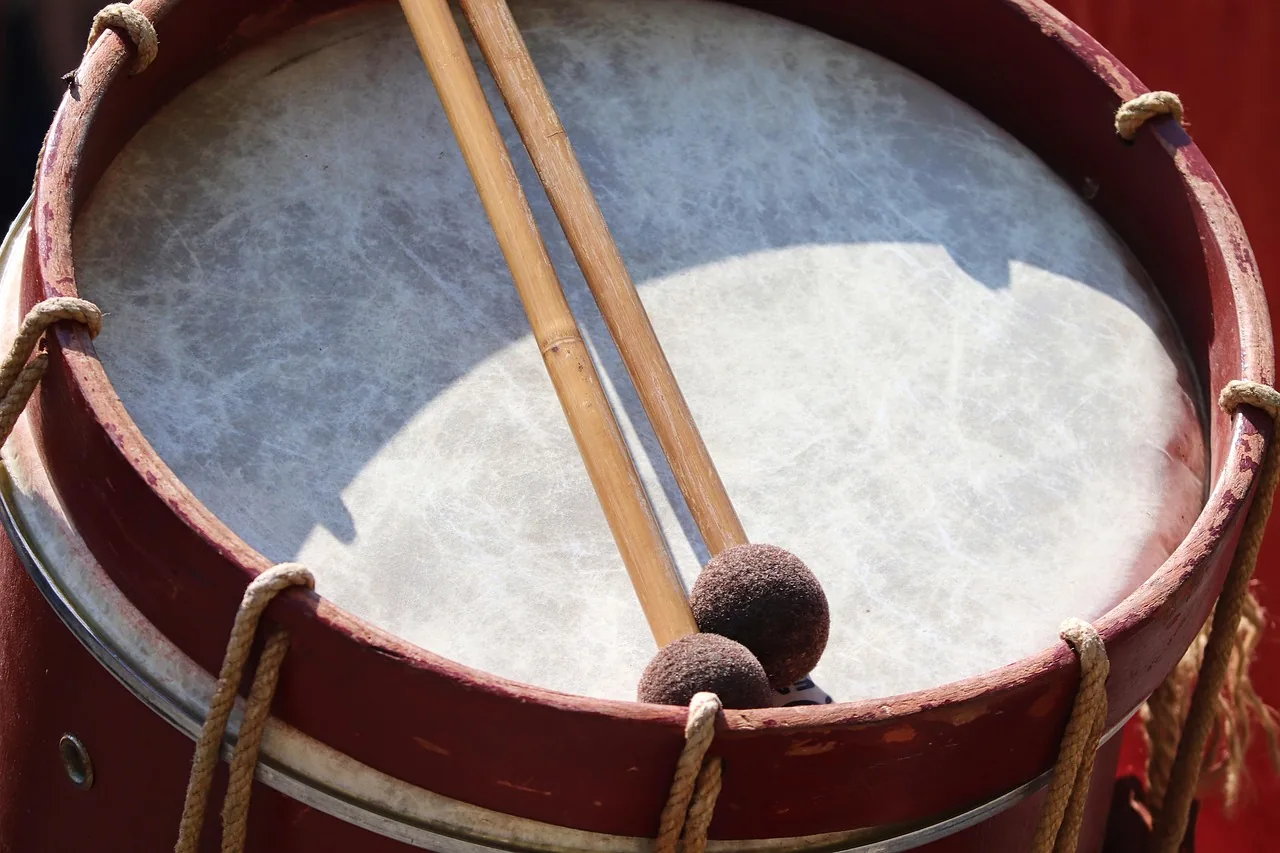
To learn to play the drums on your own, it is important to begin with basic drumming exercises. These exercises are essential for developing coordination, speed, and rhythm. If you are a beginner, you can start by working on single strokes, tempo, cymbal strikes, and snare-drum playing. If you are more advanced, you can focus on solo drumming techniques and fills. Solo drumming techniques include snare rolls, paradiddles, triplets, and double strokes. You can also try fills, which are sequences of strikes across the drums, to add variety to your playing.
Advice: to refine your solo drumming technique, practice exercises on a single drum using snare rolls. Play slowly and gradually increase your speed.
| Exercise | Description |
|---|---|
| Single-stroke exercise | Alternate strikes between the snare drum and bass drum while counting from 1 to 4. |
| Tempo exercise | Play with a metronome to improve your rhythmic accuracy. |
| Fill exercise | Create a sequence of strikes across the drums to add variety to your playing. |
To improve your solo drumming techniques, it is recommended that you work regularly with online drum tutorials. Online tutorials can help you discover new exercises and solo drumming techniques. Drumming apps such as Drumeo and Virtual Drumming are also available, allowing you to practice and refine your solo drumming technique.
Tip: record yourself playing so you can assess your progress on the drums.
Tips for Improving Your Drumming
To make effective progress as a self-taught drummer, it is important to follow certain advice. Here are the most useful tips for your learning journey:
- Practice regularly – Regular practice is the key to improving your drumming. Try to set a daily practice schedule.
- Set clear goals – Set yourself short- and long-term goals. This will help you remain motivated and measure your progress.
- Be patient – Learning to play the drums can take time. Be patient with yourself and do not become discouraged.
- Vary your exercises – Try to include different types of exercises in your practice to avoid boredom and improve your dexterity.
- Record yourself – Recording your drumming will allow you to hear your mistakes and track your progress.
- Ask for feedback – Ask other, more experienced drummers to give you feedback on your playing. This will help you identify areas for improvement.
By following these tips, you will be able to progress quickly as a self-taught drummer and improve your technique and musicality.
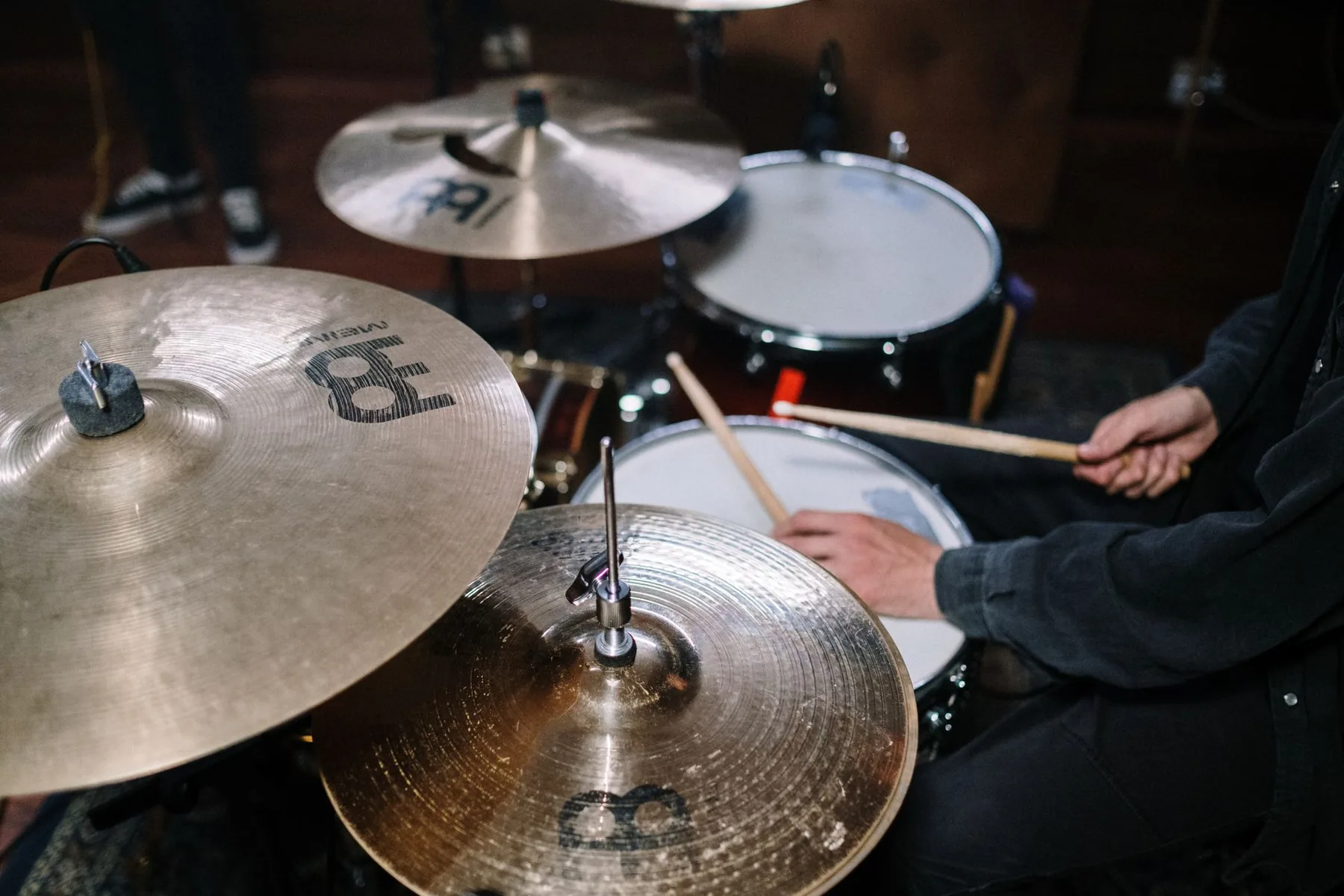
Online Drum Courses
Online drum courses are a valuable resource for independent learners. Online learning offers many benefits: flexible schedules, a variety of available courses, and the ability to work at your own pace.
There are many online drum-course platforms, each offering a range of courses from beginner to advanced level. Online courses may take the form of prerecorded videos, live classes, or a combination of both.
Popular instructors offering online drum courses include Mike Johnston and Drumeo. These instructors provide courses on various aspects of drumming, including technique, improvisation, and musicality.
| Online drum-course platforms | Features |
|---|---|
| Drumeo | Courses for every level, world-renowned instructors, and a wide variety of live and prerecorded courses. |
| Mike Johnston’s Drum Lab | Courses on technique, rudiments, coordination, and much more, with a particular emphasis on musicality. |
| Online Drummer | Lessons on specific genres, available drum sheet music, and courses for every level. |
Some online drum courses also offer structured training programs with clear learning objectives. These programs can help beginners progress quickly by providing a clear structure and direction.
In conclusion, online drum courses are an excellent option for independent learners. They offer a wide variety of courses, considerable scheduling flexibility, and a clear learning structure for beginners. With online courses, learning the drums on your own has never been easier.
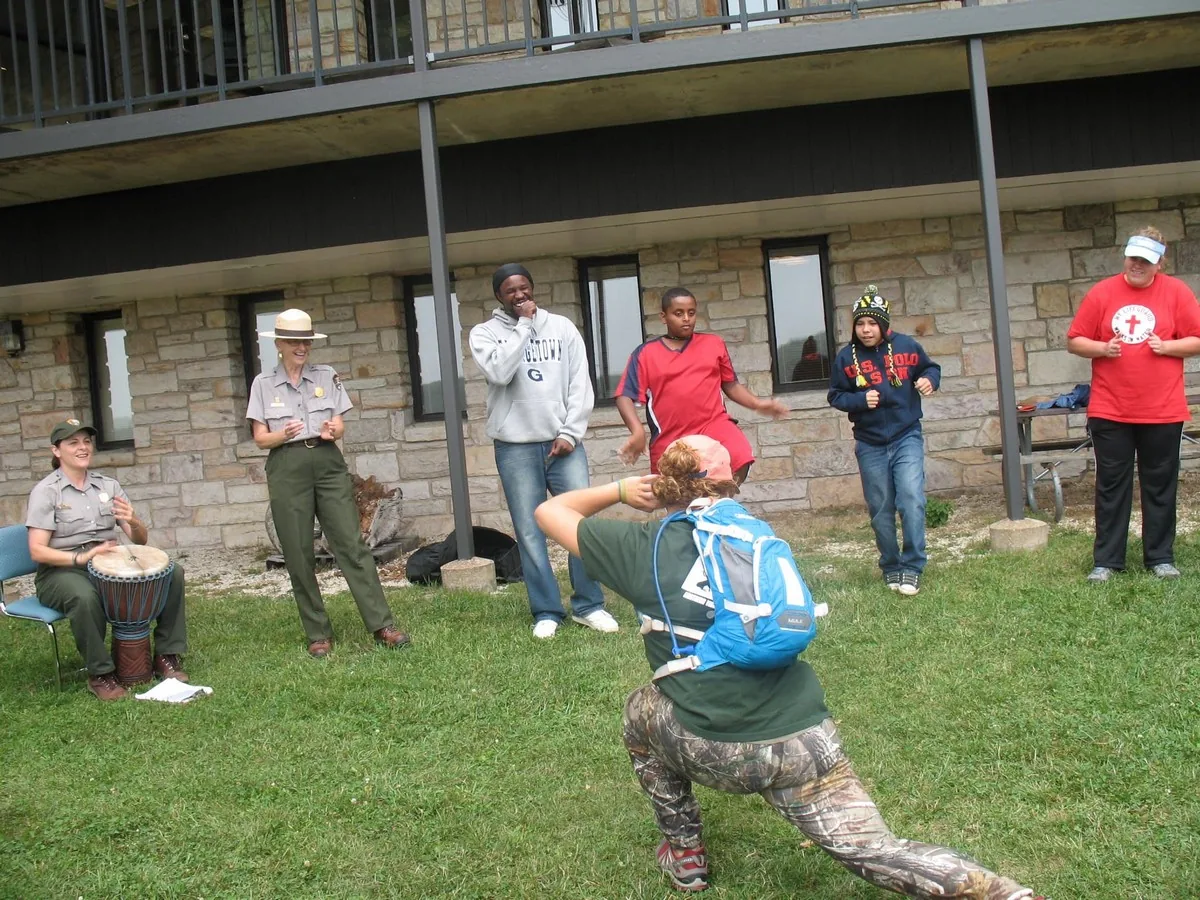
Tips for Practicing the Drums Every Day
Practicing the drums every day is the key to making rapid and effective progress. Here are a few tips to help you establish a regular practice routine:
- Schedule a regular practice session every day, even if it is short.
- Create an environment conducive to practice by choosing a quiet, comfortable place to play.
- Use a metronome to help you maintain the tempo and improve your rhythmic accuracy.
- Practice your drumming exercises slowly and accurately, focusing on technique and coordination.
- Gradually increase the speed and complexity of the exercises once you have mastered the basics.
- Try playing with other musicians or recorded tracks to develop your listening and adaptability.
Ultimately, the key to practicing the drums every day is finding what works best for you and sticking with it. With discipline and perseverance, you can progress quickly and achieve your drumming goals.
Conclusion
In conclusion, learning to play the drums on your own may seem intimidating, but it is entirely possible thanks to the many resources available online. A combination of good-quality drum equipment, structured learning methods, and regular exercises can help you become an accomplished drummer.
Remember that daily practice is essential for improving your drumming and that it is important to set realistic goals and track your progress. If you encounter difficulties, do not become discouraged; seek advice from other drummers or online drum teachers.
We hope these tips for playing the drums on your own will prove useful on your musical journey. Do not hesitate to take risks, experiment, and have fun along the way. Good luck!