
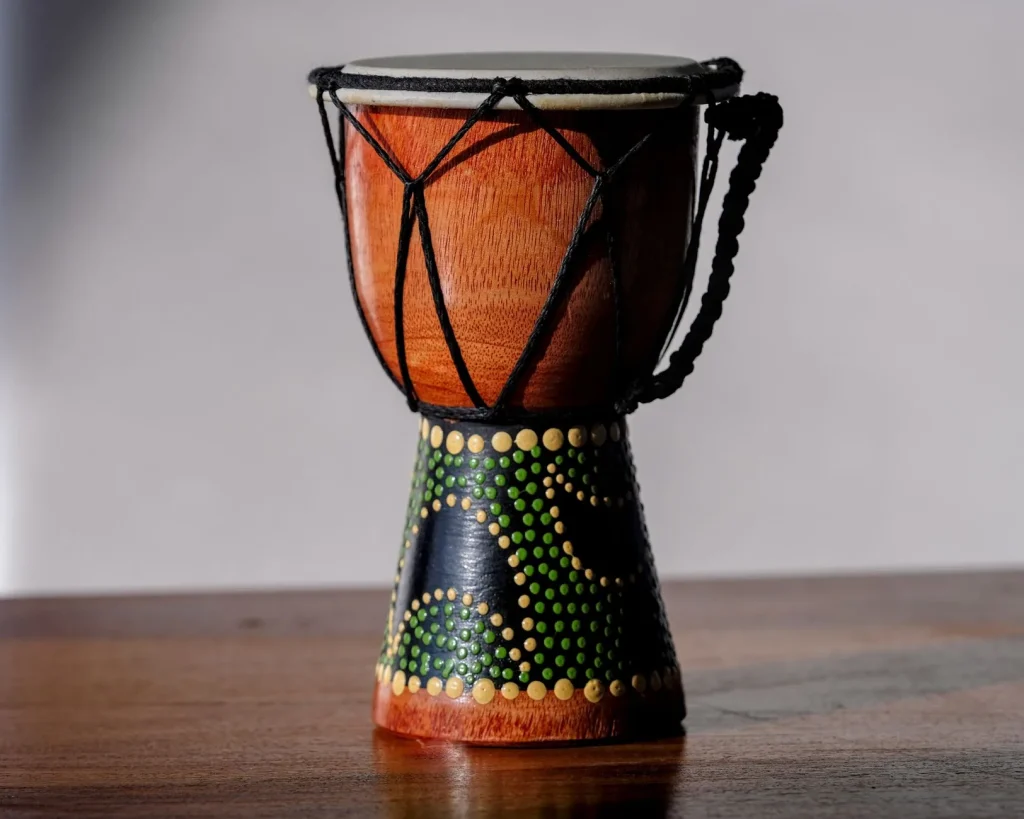
Choosing a djembe is crucial for anyone who wants to discover African music. This instrument, with its long history and rich culture, requires several factors to be considered. A djembe buying guide can help you make your choice. You need to think about the materials, dimensions, and many other factors.
These criteria are essential for finding the ideal djembe. They will help enrich your musical experience.
Criteria for Selecting a Djembe
Choosing a djembe requires considering several important djembe selection criteria. They affect the instrument’s quality and the playing experience. Its materials, acoustic properties, and dimensions are essential.
Manufacturing Materials
The materials used to make a djembe affect its sound quality and durability. Solid-wood models, made from woods such as mahogany or iroko, provide a rich, authentic sound. They are fitted with a goat- or buffalo-skin head for better resonance.
Modern djembes made from ABS plastic or fiberglass are less expensive, but may offer poorer sound quality. Avoid painted instruments, as the paint may hide defects in the wood.
Acoustic Properties
A djembe’s acoustic properties depend on several factors. The playing-surface diameter and head thickness are crucial. A diameter of 28 to 32 cm produces crisp sounds, while a diameter greater than 32 cm produces deep, rich tones.
The head must be taut to ensure good sound quality. Goatskin heads are recommended for achieving a better sound. A good djembe offers a broad tonal range suited to complex rhythms.
Dimensions and Body Type
The instrument’s dimensions should suit the player’s body type. A djembe measuring 40 to 50 cm is perfect for beginners. Standard-size models measuring 60 cm or more are better suited to advanced percussionists.
Small djembes, measuring approximately 40 cm, are ideal for children. The range of available sizes makes it possible to choose according to the player, making it easier to learn percussion.
How to Choose a Djembe
Choosing a quality djembe requires several important points to be considered. The playing-surface diameter has a considerable effect on tone. A diameter of 28 to 31 cm produces high-pitched sounds, while a diameter of 31.5 to 35 cm offers a rounder sound. A diameter greater than 36 cm can make the instrument difficult to play and impair its sound quality. This importance of the djembe’s playing-surface diameter is crucial for beginners and enthusiasts alike.
Importance of the Playing-Surface Diameter
It is essential to choose a djembe suited to your skill level and musical tastes. Beginners should explore the different options to understand how the diameter affects their performance. With experience, they will better appreciate the tonal nuances.
Instrument Weight and Height
The djembe’s weight and height are also crucial when making a selection. An adult djembe weighs between 6 and 12 kg. For optimum comfort, its height should suit the player’s stature. For example, a 59 cm djembe is ideal for someone who is 1.60 m tall, while a 65 cm model is suitable for taller people. Understanding the instrument’s characteristics improves the musical experience.
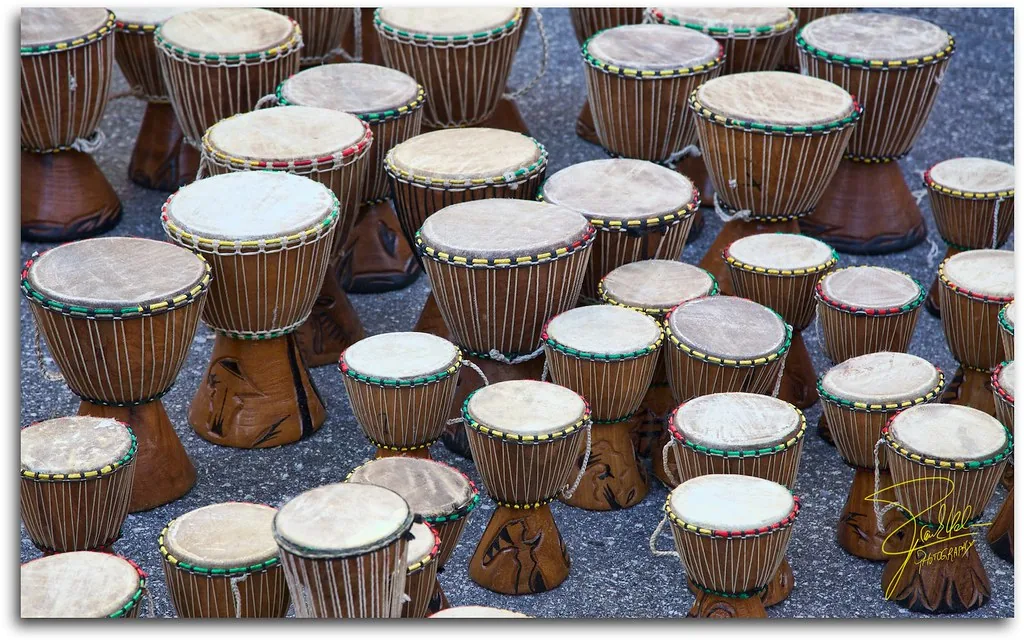
Advice on choosing a quality djembe includes considering your budget and musical goals. Options are available at various prices, so it is important to learn about them before making a choice.
Comparison of the Different Types of Djembes
Choosing a djembe transforms the musical experience for beginners and experienced musicians alike. The differences between traditional and modern djembes, as well as models intended for beginners, show that each type has its own characteristics. These influence both the sound and how the instrument is played.
Traditional or Modern Djembes
Traditional djembes are handmade using natural materials. They offer a rich, authentic sound. Goatskin heads produce a warm, deep sound. Cowhide heads, meanwhile, produce a low, powerful sound.
Modern djembes are often mass-produced using synthetic materials. They are less expensive, but may lack tonal depth. They are, however, more weather-resistant and therefore perfectly suited to outdoor use or nontraditional applications.
Djembes for Beginners and Advanced Musicians
For beginner djembes, choose lightweight models that are easy to handle. Made from plastic or synthetic materials, they are affordable. The colorful A-Star African djembe drum, for example, costs just EUR 22.10.
Advanced musicians should invest in quality models. The djembe comparison shows that these djembes provide a better sound experience. They make it possible to explore advanced nuances and techniques.
Advice on Choosing a Djembe According to Your Budget
Choosing a djembe involves more than its technical characteristics. Budget is crucial. You need to understand market prices to make the right choice. Here is an overview of djembe prices.
Market Price Ranges
Djembe prices vary according to quality and type. The following table shows the categories:
| Type of djembe | Budget (€) | Characteristics |
|---|---|---|
| Entry-level | 50 to 100 | ABS plastic models that are less expensive and suitable for beginners. |
| Mid-range | 100 to 300 | Traditional wood-and-skin models offering better tone and solid quality. |
| High-end | 300 and above | High-quality handcrafted products, premium materials, and exceptional sound. |
Best Value for Money
For beginners, choosing a djembe priced between €100 and €300 is a wise decision. These models offer the best value for money in a djembe. They provide an enriching experience without exceeding your budget. A 60 cm djembe provides good sound projection.
Advice on choosing a djembe includes selecting a suitable model. Small djembes are perfect for children. They are versatile and suit various musical styles. A good djembe makes it easier to learn and appreciate this traditional instrument.
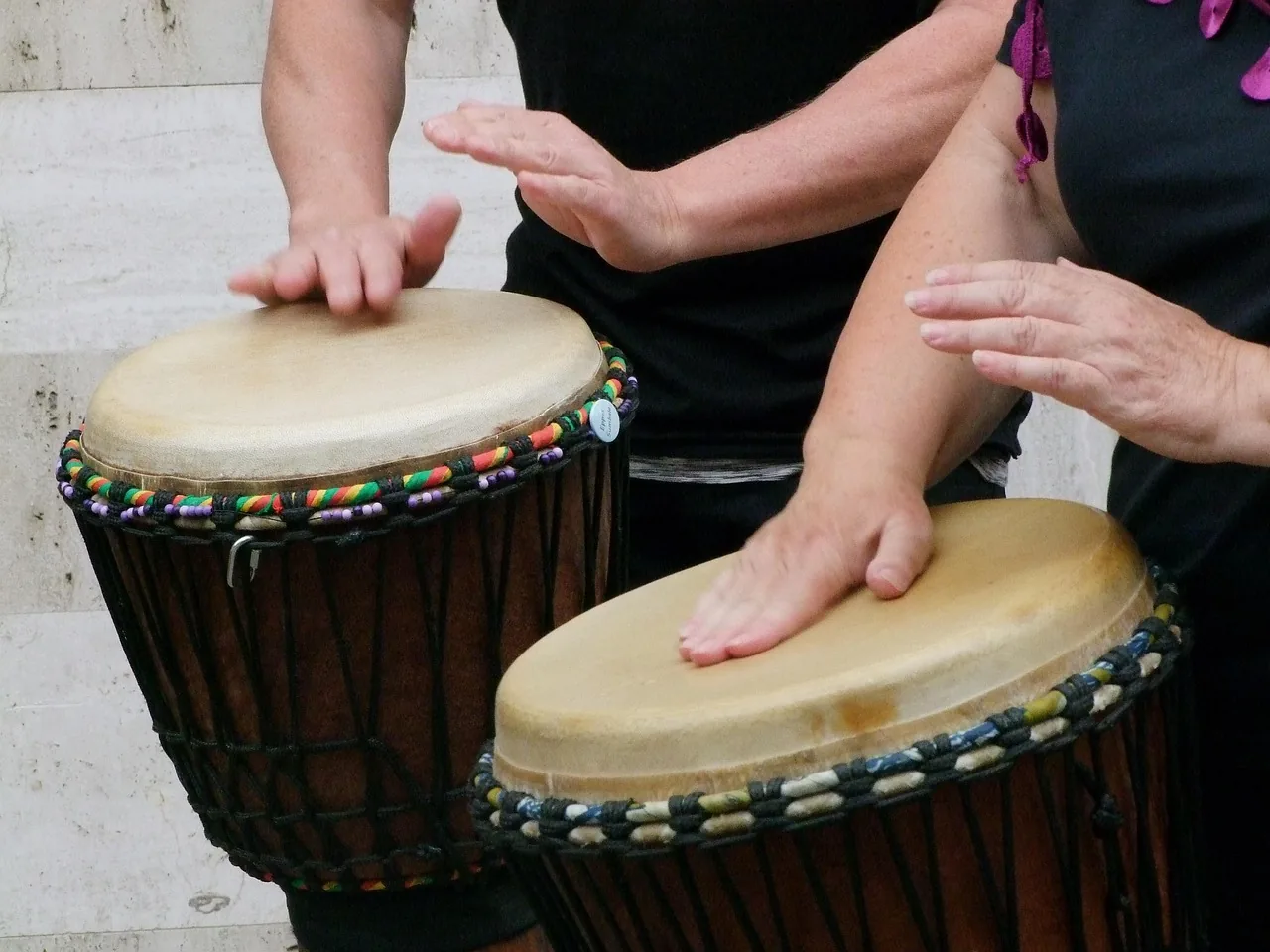
Where Can You Buy a Quality Djembe?
Choosing the right place to buy a djembe of good quality is essential. It helps ensure that the instrument meets your expectations. You can look for local options or explore online offers, each of which has its own advantages.
Specialist Stores and Local Artisans
Specialist djembe stores are perfect for those who value quality. They allow you to test different models and offer expert advice. Local artisans, meanwhile, offer handmade djembes made from mahogany or iroko, providing authentic sound quality. This may be more expensive, but the result is often exceptional.
Buying Online: Advantages and Disadvantages
Buying a djembe online is popular because of the wide variety available. Specialist websites and general marketplaces offer many choices. However, the main disadvantage is that you cannot test the product before buying it. Acoustic quality can vary because every djembe is unique. Check customer reviews and return policies to buy with confidence. For more advice, visit this page.
Conclusion
This article has explained how to choose a djembe, this jewel of African music. It is crucial to consider the materials, tone, and dimensions. These factors affect the sound and playing comfort while helping prevent pain.
Budget is also important. Buying a djembe in Africa can be advantageous, but import costs must be considered. A good buying guide should help you assess the quality of the shell, which is essential to the instrument’s durability. Traditional wooden models are often a better investment.
Test the djembe before buying it to assess its sound quality. A good djembe will immerse you in the heart of the musical experience. With the right knowledge, you will find a djembe you love that makes every musical moment enjoyable.