
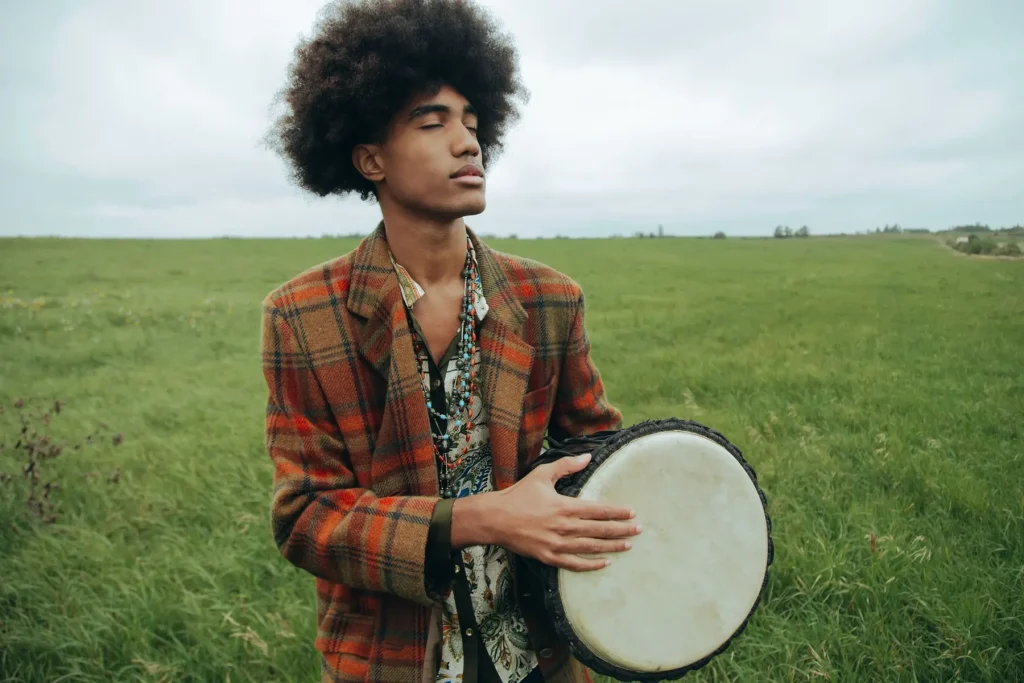
The djembe is a highly popular percussion instrument in Africa. It attracts amateur and professional musicians from around the world. If you are considering buying a djembe, it is important to understand djembe prices. Prices range from €20 to more than €500, depending on the instrument’s quality and features. We will examine the factors that influence the cost of a djembe, the available types, and what you can expect for your budget.
Entry-level djembes, available from €20, are ideal for beginners and children. Models costing more than €200 offer better sound and customization options. It is essential to consider how you will use the instrument and your budget when choosing the right djembe. You will find that your choice of djembe affects both your musical experience and the sound quality.
Introduction to the djembe and its cost
The djembe is an African hand drum. It is becoming increasingly popular in the music world. Its construction makes it possible to create rich and varied sounds.
The cost of a djembe varies according to several factors. These include build quality, the type of wood, and the instrument’s origin. Careful selection is essential if you want to stay within an affordable djembe budget.
Solid-wood djembes cost more. This is due to the craftsmanship and high-quality materials involved. Less expensive modern models are available at a range of prices.
The cost of a musical instrument intended for a beginner ranges from €50 to €100. Higher-quality models can cost as much as €300.
Choosing an African djembe depends on your skill level and budget. Medium-sized djembes are ideal for beginners. They offer good sound and are affordable.
For further advice, consult specialist resources such as this guide to choosing a suitable djembe.
The different types of djembes and their effect on price
Choosing a djembe depends on several factors that affect its price. There are three main categories, each with its own features and price range. This classification makes market prices easier to understand.
Entry-level djembes
Entry-level djembes cost less than €50. They are often made from synthetic materials or lower-quality wood. Ideal for beginners, they provide an introduction to percussion without requiring a large investment.
Medium-sized djembes
Priced between €50 and €100, medium-sized djembes offer better sound quality. They are often handmade from materials such as mahogany or iroko. Standing between 30 and 50 cm tall, they provide a rewarding musical experience. For more details, read this helpful article.
High-end djembes
High-end djembes, priced above €200, are works of art. They are made by skilled artisans and offer a rich sound. Their price reflects the quality of the materials and the artisans’ expertise.
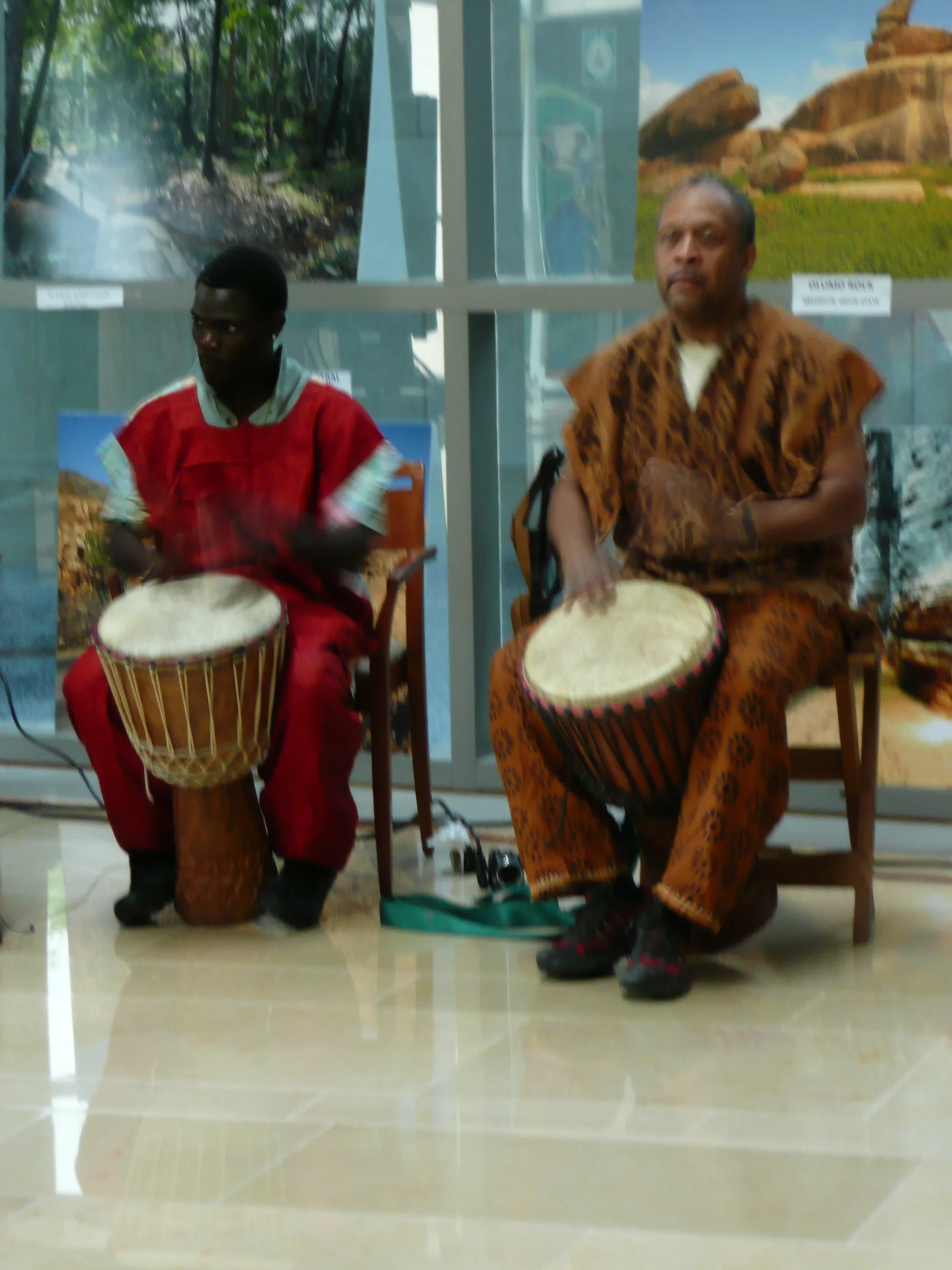
Factors that influence the price of a djembe
Several factors influence the cost of a djembe. These include build quality and the materials used. This section examines these factors to help buyers choose a quality instrument.
Build quality
Build quality plays an essential role in the price of a djembe. A djembe handmade by artisans produces a better sound and lasts longer. This often makes it more expensive. Mass-produced djembes may cost less but offer poorer sound quality.
Materials used
Materials also affect the price. A mahogany djembe made with wood from responsibly managed forests offers a rich sound. High-quality goatskin also increases the cost.
Origin of the instrument
A djembe’s origin influences its price. Djembes from Mali or Guinea are renowned for their authenticity. This increases their cost because they are considered to be of higher quality.
For more information about instruments and their prices, read this detailed article. Understanding the factors affecting cost and quality makes it easier to choose a djembe.
What budget should you allow for each price category?
Before buying a djembe, you need to set a djembe budget. Prices vary considerably depending on the instrument’s quality and durability. Here is a guide to the different prices and what you can expect.
Djembes under €50
This category is often intended for beginners or young players. These djembes are affordable, but their sound quality may be average. They are made from less expensive materials and are ideal for occasional use.
Djembes between €50 and €100
Djembes in this range offer good value for money. They are sturdier and produce a better sound. Many artisans offer handmade musical instruments, giving them a degree of authenticity. These instruments are ideal for enthusiasts.
Djembes between €100 and €200
A djembe budget in this range allows you to purchase a high-quality model. These instruments are often handmade and equipped with advanced features. They are ideal for serious musicians and offer a rich sound.
Djembes over €200
High-end djembes cost more than €200. They offer exceptional sound quality and can often be customized. They come with accessories and are designed to last, making them ideal for professionals or dedicated enthusiasts.
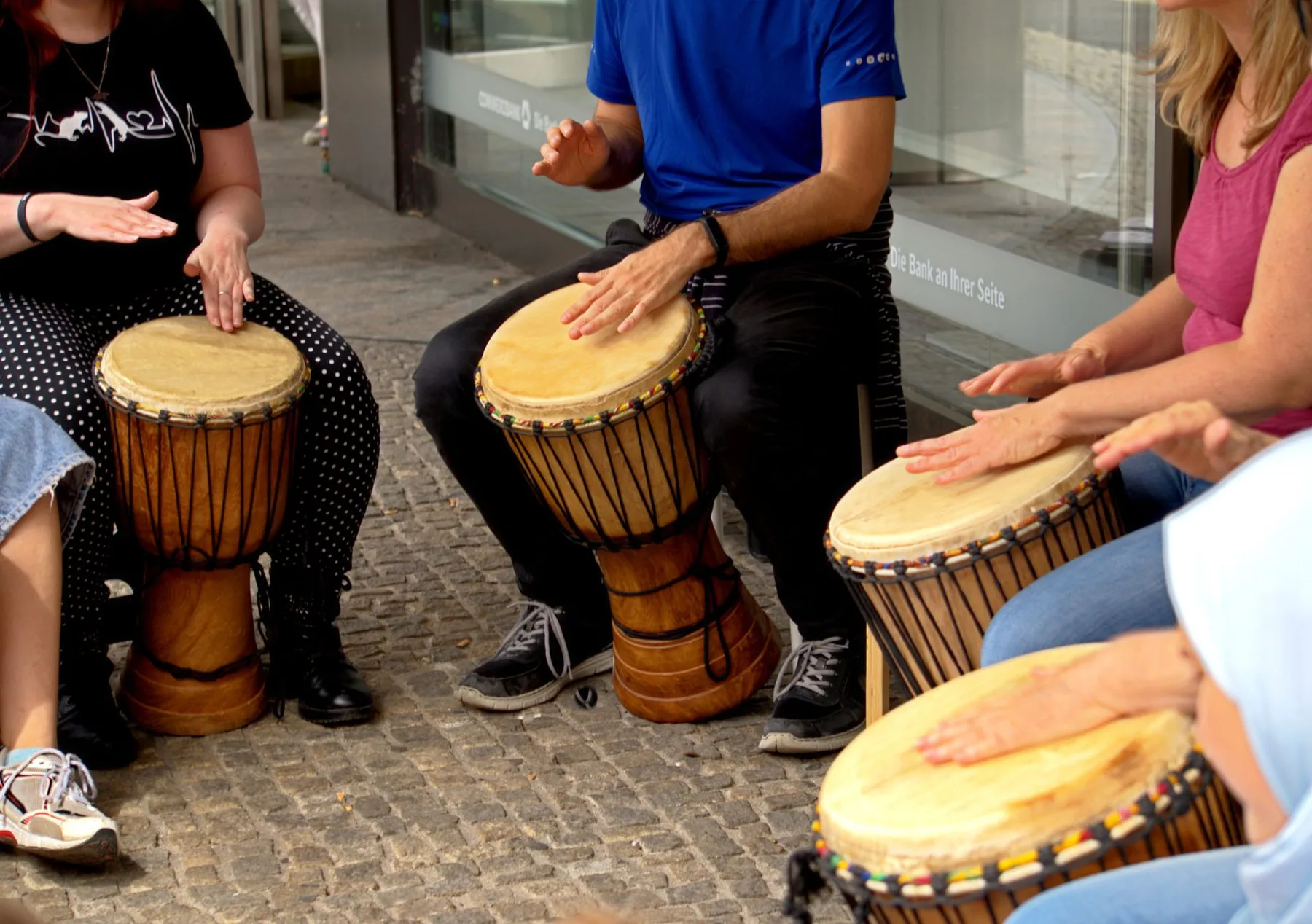
| Price category | Quality | Target users | Features |
|---|---|---|---|
| Under €50 | Lower | Beginners | Basic materials, occasional use |
| €50 to €100 | Good | Enthusiasts | Sturdy, improved sound, often handcrafted |
| €100 to €200 | Higher | Experienced musicians | Adjustable tension system, quality materials |
| Over €200 | Excellent | Professionals | Customizable, accessories included, durable |
Conclusion
The cost of a djembe depends on several factors. These include build quality, materials, and origin. Prices range from affordable models to much more expensive instruments. It is therefore important to understand your needs before making a choice.
Before making a purchase, you should assess your budget. You should also consider the features you want in a djembe. Buying a djembe also means immersing yourself in the musical tradition it represents.
A good djembe provides a unique sound experience and years of musical enjoyment. By exploring the different options, every musician can find the perfect instrument. There is a djembe for every music enthusiast.