

The question of how to protect the base of a djembe is crucial for percussionists. The base, often made of solid wood, affects the sound and playing comfort. We will examine materials for covering the base of a djembe, such as fabric, leather, or rubber, which combine appearance and functionality.
Customizing your instrument enhances its design. You can paint it with acrylic paint or add traditional patterns. This is a popular practice among musicians. For more advice, see this guide.
Introduction to decorating the base of a djembe
Decorating the base of a djembe is important for musicians. It goes beyond appearance: it creates a connection with the culture. Each pattern tells a story and honors the instrument’s African roots.
Artisans choose various materials to decorate a djembe. This reflects Africa’s cultural richness. The importance of aesthetics in music is clear. A beautifully decorated djembe enhances the musical experience.
Different decorative styles make every djembe unique. Paint, carvings, or fabric allow musicians to express themselves. Decorating the base of a djembe celebrates history and tradition.
What can you use to cover the base of a djembe?
Choosing materials for covering the base of a djembe requires consideration of both comfort and appearance. The choice of materials for a djembe is crucial. It affects how the instrument is used and perceived.
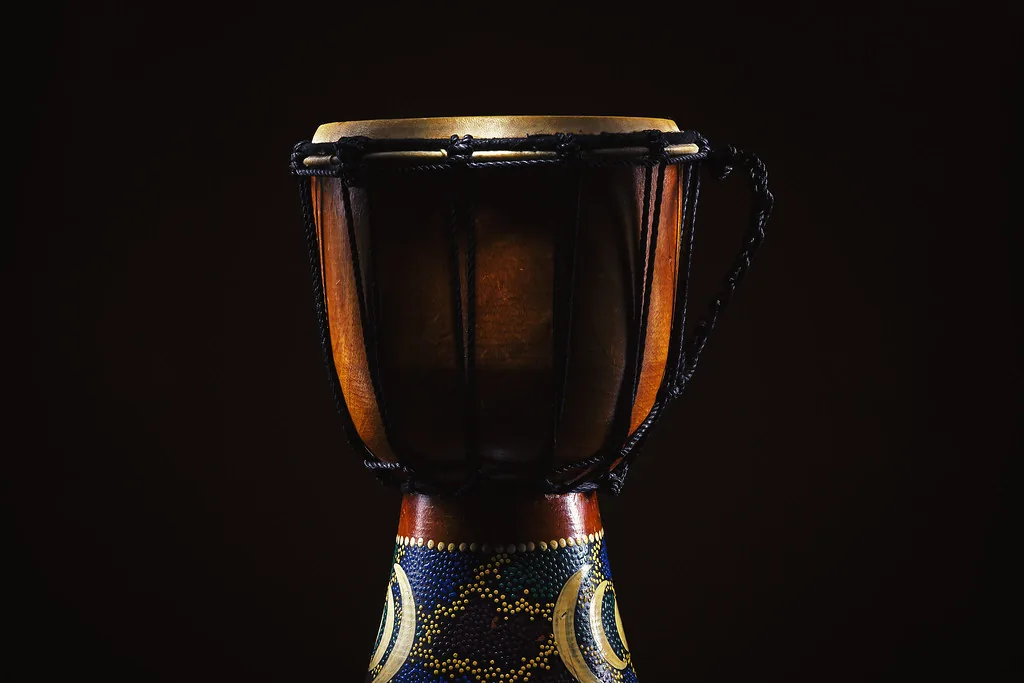
Choosing suitable materials
Fabric is ideal for comfort, especially when playing while seated. It absorbs moisture and feels pleasant against the skin. Leather and goatskin provide a traditional appearance and attractive acoustic resonance.
Rubber and foam are perfect for those seeking a more innovative option. They provide good protection and are comfortable. Each artisan should consider the materials for covering the base of a djembe according to musicians’ needs.
Appearance and comfort
Appearance is just as important as comfort. A well-finished djembe reflects the artisan’s pride and contributes to the musician’s satisfaction. It is essential to choose materials that match the desired look. Balancing comfort, appearance, and durability creates a unique musical experience.
Why is it important to protect the base of your djembe?
Protecting the base of a djembe is crucial for preserving its sound quality and durability. It helps prevent damage from moisture and impacts. Musicians use protective covers to maintain better acoustics.
Effect on sound
Protecting the base affects the djembe’s sound quality. Moisture can damage the instrument and diminish its tonal richness. Regular care of the drumhead is essential for maintaining better acoustics. For more information, see this article here.
Preserving the instrument
Protecting the instrument is essential. Regular maintenance, particularly with linseed oil, prevents the wood from drying out. This ensures longevity and preserves the beauty of your djembe. For more advice, see this article here.
Popular materials for covering the base of a djembe
Several materials can be used to cover the base of a djembe. Fabric and canvas are easy to install and comfortable. They are lightweight and make playing more enjoyable. They also add a personal touch to the instrument.
Fabric and canvas
Leather and goatskin are also used. They provide a traditional appearance and are durable. These materials offer good protection and enhance the djembe’s appearance. They are chosen to honor the djembe’s musical heritage.
Leather and goatskin
Rubber and foam are perfect for those seeking greater flexibility. They reduce fatigue and protect against wear. The choice depends on personal preferences, musical style, and the desired visual effect.