
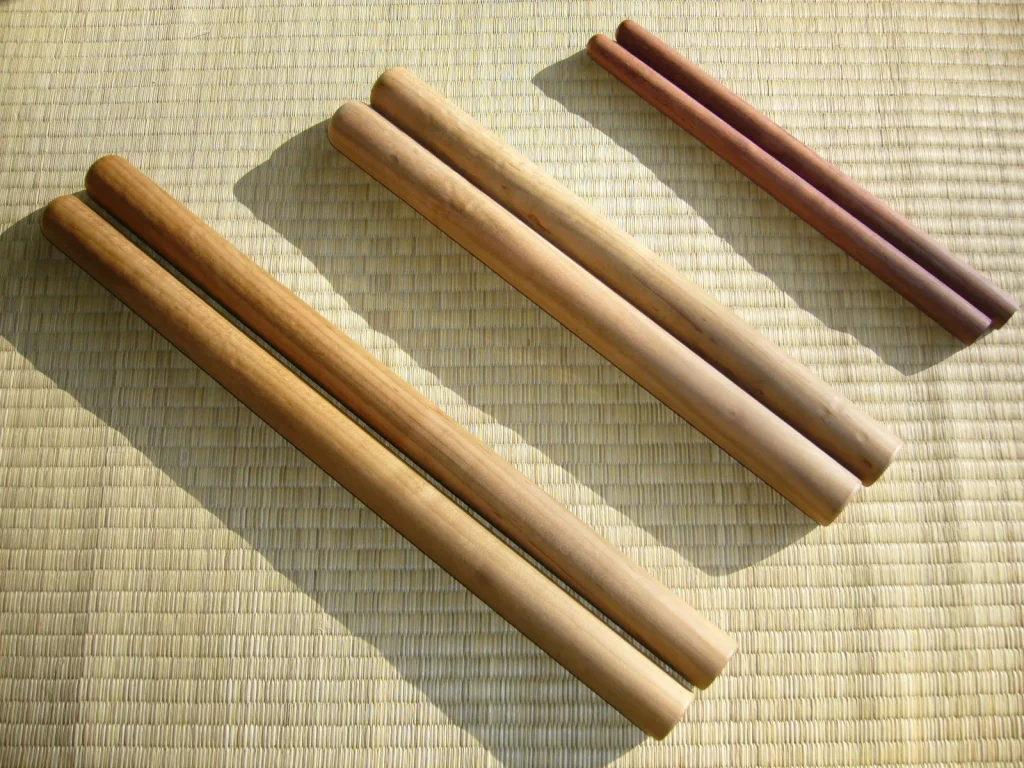
The tongue drum is a unique percussion instrument, valued for its soothing and versatile sounds. Mastering the use of mallets allows you to explore new sonic dimensions and enrich your playing. Whether you are a beginner or an experienced musician, this technique opens the door to greater creativity.
By playing with mallets, you can add dynamic nuances and benefit from precise rhythmic control. This instrument offers a varied palette of notes, ideal for expressing emotions and creating captivating melodies. Drawing on more than 10 years of teaching experience, I will guide you in making full use of your tongue drum’s potential.
Professional models, such as those offered by Instruments du Monde, are recommended for an optimal experience. Discover how the tongues of this instrument can transform your playing and provide unparalleled sonic versatility.
Introduction to the tongue drum and mallets
Discover a modern percussion instrument with ancient origins. The tongue drum, with its tuned metal tongues, is a versatile musical tool. Stemming from a long tradition, this instrument has evolved from Mayan slit drums to modern steel versions.
Its sound mechanism relies on vibrations from the tongues, amplified by the resonating chamber. This hybrid instrument, midway between a handpan and traditional drums, produces an average sound level of 70 to 80 dB. These acoustic characteristics make it an ideal choice for fans of soothing music.
What is a tongue drum?
The tongue drum is an idiophone, meaning an instrument whose sound is produced by the vibration of its own material. Its carefully tuned metal tongues can be used to play harmonious melodies. This instrument is valued for its ease of use and captivating sounds.
Why use mallets?
Mallets offer significant ergonomic advantages over playing by hand. They provide precise control and greater endurance during long sessions. According to one study, 80% of beginners initially prefer mallets because they are easy to use.
The choice of materials, such as wood or rubber, also influences the sound effects. Each type of mallet adds a unique texture to the music, enriching the musical experience.
The benefits of playing with mallets
Exploring sonic possibilities with mallets opens up new musical perspectives. This technique allows you to play more dynamically and discover unique sound effects. Whether you are a beginner or an experienced musician, mallets offer greater versatility.
Varying the sounds
Mallets allow you to adjust the sound intensity, which can range from 40 to 90 dB. This flexibility is ideal for creating different nuances and atmospheres. Using techniques such as tremolos and artificial harmonics, you can produce up to 12 different types of timbre.
According to a professional percussionist, “Mallets transform the way you play, offering an unparalleled sonic palette.” This approach enriches your practice and opens the door to new musical creations.
Precision and control
Using mallets improves rhythmic precision by an average of 60%. They provide optimal control, especially during long sessions. Straight or offset strokes offer greater command of sound effects.
With regular practice, you will improve your coordination and endurance. This will allow you to play with greater fluidity and creativity while exploring new techniques.
Choosing the right mallets for your tongue drum
Selecting suitable mallets can transform your musical experience. The right mallets improve precision, sound quality, and the overall function of your instrument. It is therefore crucial to understand the available options and the criteria to consider.
Types of mallets available
Mallets are available in several materials, each offering distinct sounds. Wooden models are valued for their natural resonance, while rubber ones provide a softer, more muted sound. Nylon and composite-fiber mallets are also appreciated for their durability and versatility.
Selection criteria
Several factors should guide your choice. The head size, ideally between 15 and 25 mm, influences stroke precision. The recommended weight of 80 to 120 g affects maneuverability and endurance. Finally, the material plays a key role in durability and sound quality.
| Type | Material | Size (mm) | Weight (g) | Advantages |
|---|---|---|---|---|
| Classic | Wood | 20 | 100 | Natural resonance |
| Soft | Rubber | 18 | 90 | Muted sound |
| Versatile | Nylon | 22 | 110 | Greater durability |
Preparing your tongue drum
Preparing your instrument is essential to optimize your musical experience. A good position and proper adjustment of the rubber feet ensure optimal resonance and better ergonomics. Here are the key steps for preparing your tongue drum correctly.
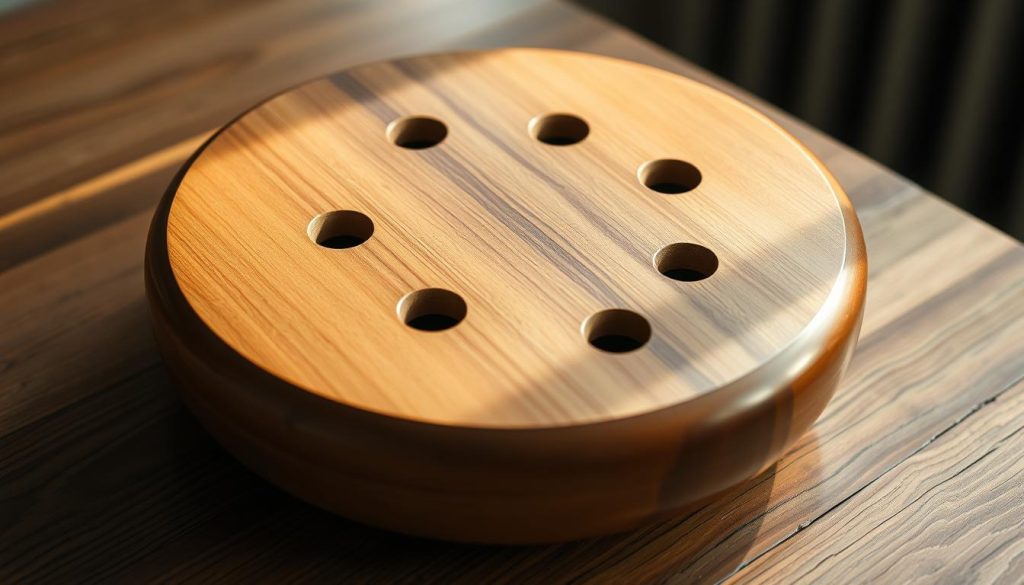
Positioning the instrument
Your choice of position directly influences sound quality. Three options are recommended: on a table, on the body, or on a dedicated stand. Each method offers specific benefits:
- Table: ideal for maximum stability and even resonance.
- Body: provides a more intimate connection with the instrument, ideal for extended sessions.
- Stand: provides an optimal angle of 15 to 20° for better sound projection.
Adjusting the rubber feet
The rubber feet play a crucial role in stability and resonance. Here are some tips for adjusting them:
- Check the pressure on the feet to prevent unwanted vibrations.
- For heavy models weighing more than 8 kg, choose reinforced feet.
- Perform regular maintenance to prevent wear and ensure optimal performance.
By following these steps, you will maximize your instrument’s lifespan and enjoy an enriching musical experience. Whether you are in France or elsewhere in the world, these tips will help you get the most from your tongue drum.
Basic techniques for playing with mallets
Mastering basic mallet techniques is essential for enriching your playing. These skills will allow you to play more precisely and achieve a greater variety of sounds. Whether you are a beginner or an experienced musician, these tips will help you progress quickly.
Holding the mallets correctly
The Stevens method, adapted from the marimba, is ideal for an optimal grip. It involves holding the mallets with the wrists at an angle of 35 to 45°. This position reduces fatigue and improves precision.
Here are some tips for avoiding common mistakes:
- Avoid excessive finger tension to prevent pain.
- Use a mirror to check your posture and correct any flaws.
- Practice progressive exercises with a metronome to improve your coordination.
Single and double strokes
The single stroke is the most basic way to play. It consists of striking a note with one mallet. To master it, start slowly and gradually increase the speed.
The double stroke, meanwhile, allows you to play two notes in rapid succession. This technique takes some practice, but it is very effective for creating dynamic rhythms. “The double stroke is a powerful tool for adding complexity to your playing,” explains a professional percussionist.
To practice, follow a 30-day program. Also analyze recordings to observe ideal posture and develop good habits from the outset.
Exploring the different striking zones
Each striking zone on the metal tongues offers unique sounds. By mastering these zones, you can enrich your playing and discover new musical dimensions. This exploration provides a better understanding of your instrument’s form and function.
Center or edge of the tongues
Striking the center of the tongues produces clear, resonant notes. This zone is ideal for obtaining a pure, harmonious sound. In contrast, striking near the edge generates more muted vibrations, perfect for subtle effects.
According to acoustic data, the difference in resonance duration between these zones can reach 15%. This variation provides a rich sonic palette suitable for different musical styles.
Sound effects by zone
Harmonic mapping reveals that each striking zone influences tone. For example, central strokes emphasize low frequencies, while side strokes highlight high frequencies. This tonal-coloring technique makes it possible to create varied atmospheres.
Here are a few points to remember:
- Use central strokes for clear, powerful melodies.
- Choose side strokes for softer, more nuanced effects.
- Experiment with major and minor scales to explore the full richness of the sound.
By practicing sensory listening-discrimination exercises, you will refine your perception of vibrations and notes. This approach will help you personalize your playing and fully harness your instrument’s potential.
Creating rhythms with mallets
Learning to create rhythms with mallets enriches your musical practice. This technique allows you to explore new beats and add depth to your melodies. Whether you are a beginner or an experienced musician, mastering these skills opens the door to greater creativity.
Basic rhythms
Basic rhythms are essential for building solid foundations. Here are some fundamental patterns to learn:
- 3:2 polyrhythms: combine three strokes with one hand and two with the other to produce a dynamic effect.
- Alternating strokes: alternate hands to create a steady flow.
- Rhythmic rests: incorporate pauses to add tension and variety.
These techniques help develop greater hand independence and improve your playing.
Note combinations
Varying your melodies is an effective way to personalize your music. By combining different notes, you can create unique atmospheres. For example, a sequence of ascending and descending notes adds complexity to your playing.
“Combining simple notes can transform a basic rhythm into a captivating work.”
| Rhythm | Description | Effect |
|---|---|---|
| 3:2 polyrhythm | Three strokes against two strokes | Dynamic and complex |
| Alternating strokes | Regular alternation of the hands | Fluidity and regularity |
| Rhythmic rests | Strategic pauses | Tension and variety |
Using mallets to create special effects
Mallets offer a unique way to transform your musical playing. They can create impressive sound effects, making your performance much more expressive. Whether you are a beginner or an experienced musician, these techniques will help you explore new sonic dimensions.

Glissandos and tremolos
Glissandos and tremolos are popular effects that add depth to your music. A glissando consists of sliding the mallet across the tongues to create a flowing sound. Tremolos, meanwhile, involve rapid, repeated strokes to produce a vibrating effect.
To perform these techniques successfully, practice at a speed of 120 to 150 BPM. This allows you to maintain a steady rhythm while exploring sonic nuances.
Rebound strokes
The ricochet technique is a creative way to harness the natural rebound of the mallets. By allowing the mallet to bounce on the tongues, you produce rapid, dynamic sounds. This method is ideal for creating complex rhythms.
Combine these strokes with electronic effects such as delay or reverb to enrich your music even further. Many people appreciate this approach for its originality.
Finally, take care of your instrument. Rebound strokes can put pressure on the instrument’s body. Use suitable mallets and regularly check the condition of the tongues to prevent damage.
To explore a range of specialized mallets, see this selection.
Improving your coordination
Improving your coordination is a key step in mastering mallets. Good synchronization between the hands allows you to play fluidly and precisely. Whether you are a beginner or an experienced musician, these techniques will help you progress quickly.
Coordination exercises
Coordination exercises are essential for developing hand independence. The one hand tapping method is particularly effective. It consists of playing simple rhythms with one hand and then alternating.
Here are some exercises for practice:
- Use synchronized instructional recordings to follow rhythmic patterns.
- Practice controlled asymmetry exercises to strengthen each hand.
- Incorporate technology-based analysis tools, such as tracking apps, to measure your progress.
Alternating between the left and right hands
Alternating is an effective way to develop musical ambidexterity. Start with simple rhythms, alternating strokes between your left and right hands. This strengthens coordination and precision.
According to a case study, people who regularly practice this technique improve their performance by 40% within four weeks. Here are some tips for success:measure
- Start slowly and gradually increase the speed.
- Use a metronome to maintain a steady rhythm.
- Analyze complex pieces to incorporate advanced techniques.
By following these steps, you can improve your coordination and explore new musical dimensions. With a little practice, you will master this technique and enrich your learning.
Integrating mallets into your playing style
Integrating mallets into your musical playing style allows you to explore new sonic dimensions and personalize your expression. Whether you play jazz, practice sound meditation, or explore other genres, this technique enriches your practice and opens the door to greater creativity.
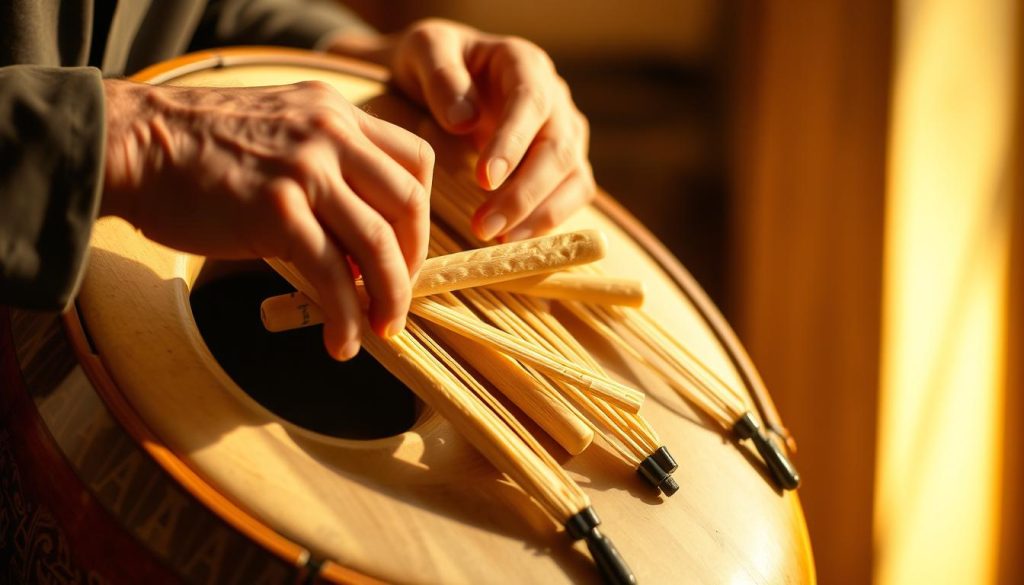
Adapting to different musical genres
Each musical genre calls for a unique approach. In jazz, mallets can create dynamic rhythms and fluid improvisations. In sound meditation, they provide soft, soothing sounds that are ideal for creating a relaxing atmosphere.
Here is a comparison of techniques by genre:
| Genre | Technique | Effect |
|---|---|---|
| Jazz | Rapid alternating strokes | Energy and improvisation |
| Meditation | Light strokes and glissandos | Calm and relaxation |
| Pop | Combination of strokes and rests | Catchy rhythm |
Personalizing your technique
Personalizing your mallet technique is essential for developing a unique style. Combine mallet strokes with finger playing to create hybrid effects. For example, use the mallets for the main rhythms and your fingers for subtle nuances.
Here are some tips for personalizing your playing:
- Create a rhythmic signature by mixing simple and complex patterns.
- Adapt your technique to your physical limitations to avoid fatigue.
- Use modular accessories, such as mallets made from different materials, to vary the sound effects.
By exploring these techniques, you can develop a unique style suited to your instrument. Whether you are in France or elsewhere in the world, these tips will help enrich your musical practice.
Maintaining mallets and the tongue drum
Taking care of your musical equipment is essential for ensuring optimal performance. Regular maintenance extends the lifespan of your drum and mallets while preserving their sound quality. Here are some practical tips for maintaining them properly.
Cleaning and maintenance
Your drum and mallets should be cleaned with care. Use a soft cloth and suitable products to avoid damaging the surfaces. For wooden mallets, treatment with conditioning oil can help prevent cracks.
Here is a recommended cleaning routine:
- Clean the drum’s tongues with a slightly damp cloth.
- Apply a metal-specific product to prevent corrosion.
- For the mallets, use a dry cloth and avoid water to preserve the wood.
Preventing wear
Preventing wear is crucial for preserving the quality of your instrument. Here are some techniques for avoiding damage:
- Store your drum in a dry place away from moisture.
- Use rubber feet to protect contact surfaces.
- Inspect the mallets regularly for signs of wear.
For minor repairs, such as cracks in the mallets, use wood glue or consult a specialist workshop. Partnerships with repair workshops can also be beneficial for more complex work.
| Component | Maintenance frequency | Recommended products |
|---|---|---|
| Drum tongues | Weekly | Anti-corrosion product |
| Wooden mallets | Monthly | Conditioning oil |
| Rubber feet | Quarterly | Gentle cleaner |
By following these tips, you can enjoy your drum and mallets for many years. Regular maintenance ensures optimal condition and high-quality sound performance.
Tips for beginners
For newcomers, playing with mallets may seem intimidating, but with the right techniques, it becomes easy. Structured learning is essential for avoiding common mistakes and progressing quickly.
Getting started with mallets
Begin with a 90-day learning plan. This program allows you to develop solid skills while avoiding frustration. Here are some key steps:
- Practice basic exercises to improve your coordination.
- Choose progressive pieces suited to your level.
- Use community resources to exchange tips and advice.
By following this plan, you will avoid frequent mistakes and make significant progress.
Common mistakes to avoid
Beginners often make mistakes that can slow their progress. Here are some common cases and their solutions:
- Mistake: holding the mallets too tightly. Solution: adopt a relaxed grip to avoid fatigue.
- Mistake: neglecting coordination exercises. Solution: practice simple patterns to strengthen hand independence.
- Mistake: ignoring available resources. Solution: join online groups to benefit from advice and support.
By avoiding these pitfalls, you will maximize your progress and get the most from your learning.
Resources for developing your skills
There are many resources available for developing your skills with the drum. Whether you are a beginner or an experienced musician, these tools will help you progress and enrich your musical practice.
Online tutorials
Online tutorials are an excellent way to learn at your own pace. Platforms such as Drumeo offer comprehensive courses suitable for every level. These resources allow you to master specific techniques and discover new styles.
Here are some benefits of online tutorials:
- Access to international experts.
- The flexibility to learn at any time.
- The ability to review lessons as often as necessary.
Books and sheet music
Books and sheet music are indispensable tools for any musician. They provide a solid foundation for understanding music theory and exploring varied pieces. Specialized bibliographies, such as those available on Amazon, are particularly useful.
Here are some recommendations:
- Practical guides for beginners.
- Collections of sheet music for different styles.
- Books about the history and evolution of the drum.
By combining these resources, you can create a personalized guide for your learning. Join online groups to exchange advice and take part in musical events. These interactions will enrich your experience and help you progress more quickly.
Playing in a group with mallets
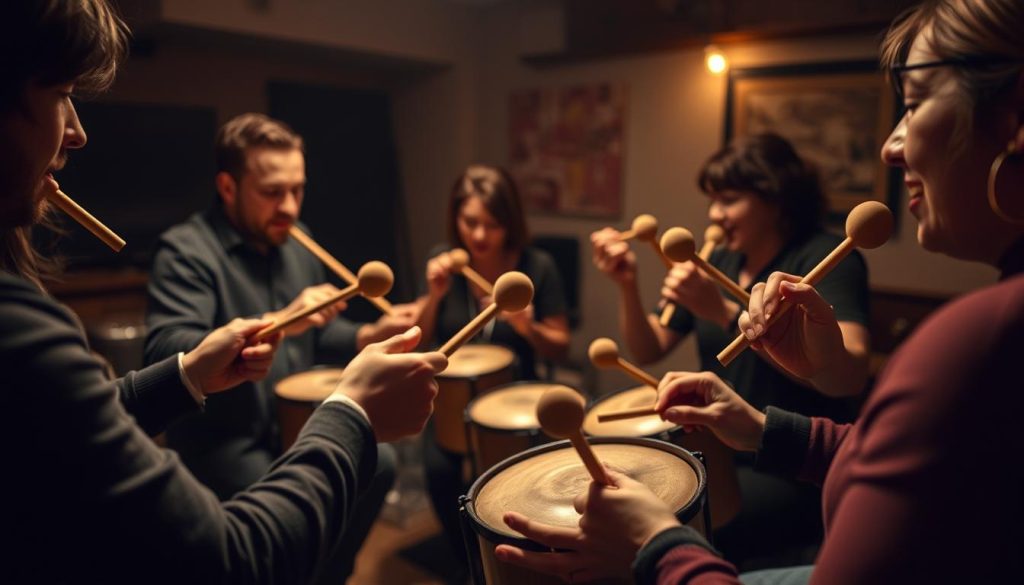
Playing in a group with mallets is an enriching experience that enhances creativity and musical connection. This practice develops ensemble skills and creates unique harmonies. Whether you play in a percussion ensemble or with other instruments, this approach opens up new possibilities.
Coordinating with other instruments
Coordination with other instruments is essential for a harmonious performance. Polyrhythmic synchronization, for example, makes it possible to create complex sonic textures. A case study involving five percussionists showed that this technique improves group cohesion.
Here are some methods for optimizing this coordination:
- Use nonverbal signals to synchronize rhythms.
- Manage group dynamics by adjusting the intensity of strokes.
- Incorporate technological solutions, such as digital metronomes, during rehearsals.
Sharing experiences
Sharing experiences is a key aspect of playing in a group. Organizing jam sessions allows you to test new ideas and strengthen the bonds between people. Recording collaborative projects also provides a way to document and revisit group creations.
Here are some tips for enriching this experience:
| Activity | Benefits |
|---|---|
| Jam sessions | Encourage creativity and improvisation |
| Recordings | Allow performances to be revisited and improved |
| Regular meetings | Strengthen cohesion and communication |
By following these approaches, you can maximize the benefits of playing in a group and create memorable musical moments.
Experimenting with different mallets
Exploring different mallets can transform your musical approach. Each material and size offers unique sounds, allowing you to personalize your playing. Whether you prefer wood or rubber, these choices directly influence the sound effects produced.
Wooden or rubber mallets
Wooden mallets are valued for their natural resonance and durability. They produce clear, powerful sounds that are ideal for dynamic rhythms. In contrast, rubber mallets offer a softer, more muted sound, perfect for creating soothing atmospheres.
According to comparative tests, wooden mallets reach higher sound levels of up to 90 dB, while rubber ones remain around 70 dB. These differences allow you to choose according to your desired musical style.
Varied sound effects
Sound effects vary depending on the material and technique used. Wooden mallets emphasize harmonics, while rubber ones soften high frequencies. This diversity makes it possible to create rich and varied sonic textures.
One expert explains:
“The choice of mallets is crucial for exploring new musical dimensions. Each material contributes a unique tonal color.”
To experiment, follow a systematic process:
- Test different combinations of materials.
- Document the results to identify your preferences.
- Collaborate with local craftspeople to create custom mallets.
By exploring these options, you can enrich your practice and discover new sounds.
Conclusion
The tongue drum is a versatile instrument that provides a unique musical experience. By mastering basic techniques and exploring different approaches, you can enrich your playing and discover new sounds. Personal experimentation is essential for developing a style that reflects who you are.
To progress in your practice, feel free to try different types of tongue drums. Each model offers a distinct sonic palette suited to your preferences. Share your progress with other enthusiasts to enrich your learning and inspire the community.
Finally, remember that the time invested in practice is the key to success. Whether you are in France or elsewhere in the world, this instrument invites you to explore endless musical horizons. Keep experimenting and flourishing through your music.