

The drum kit is a family of musical instruments that combines different components to create captivating rhythms. Whether you are an experienced drummer or a novice musician, it is important to know the different instruments that make up a drum kit so that you can better understand how they work and how they are used. In this first section of our comprehensive guide to the drum kit, we will explore the instruments that make up a drum kit and their role in creating music.
A drum kit generally consists of several components, such as the snare drum, bass drum, toms, cymbals, and many others. Each instrument offers a unique sound and plays an important role in creating a cohesive and captivating rhythm. In the following sections, we will examine each of these components in detail so that you can better understand how they work together to create music.
The acoustic drum kit
The acoustic drum kit is often considered the traditional form of the drum kit. It consists of several components, including the snare drum, bass drum, toms, and cymbals. Each component has a specific function in creating music and is tuned to produce particular sounds.
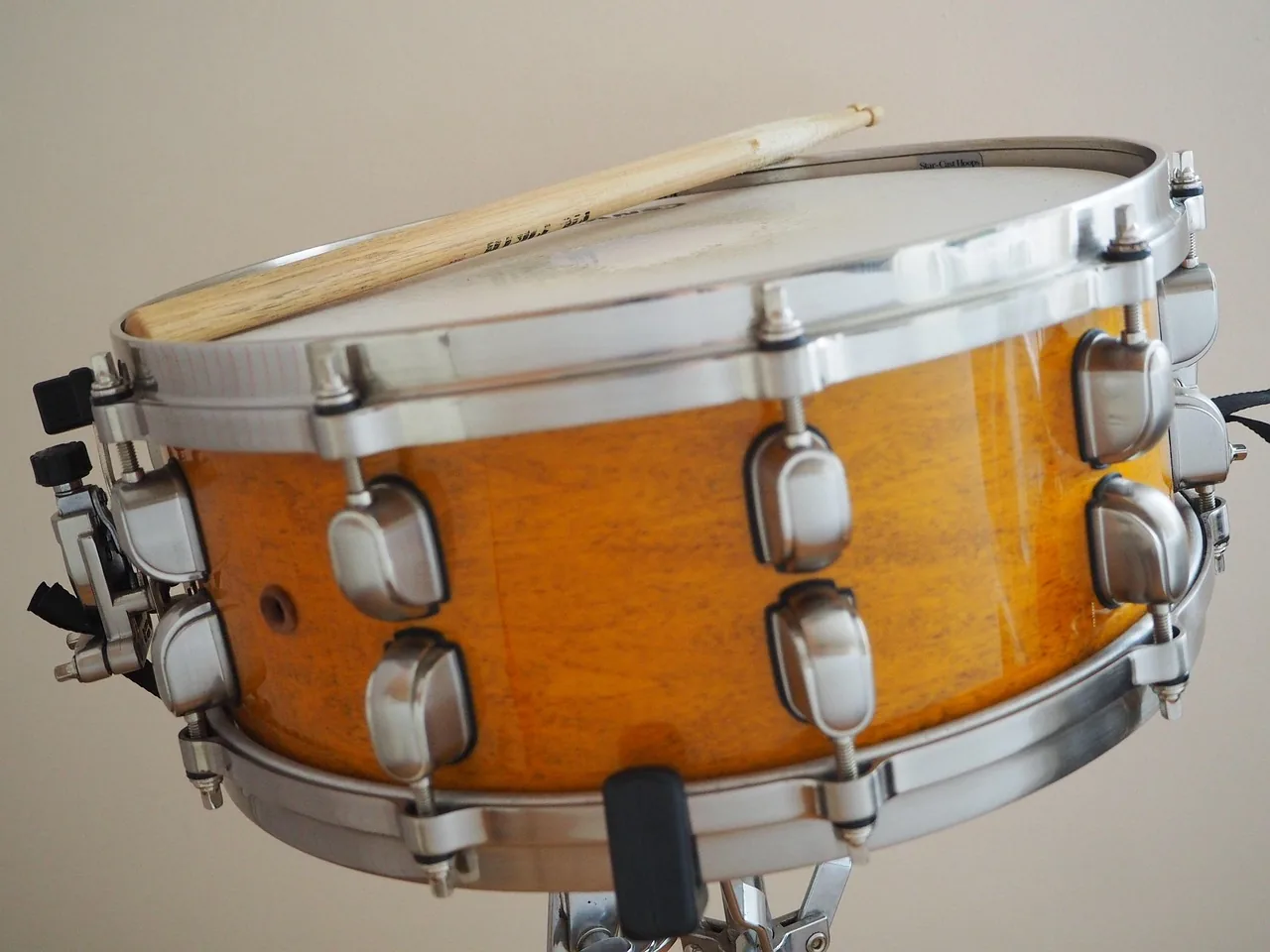
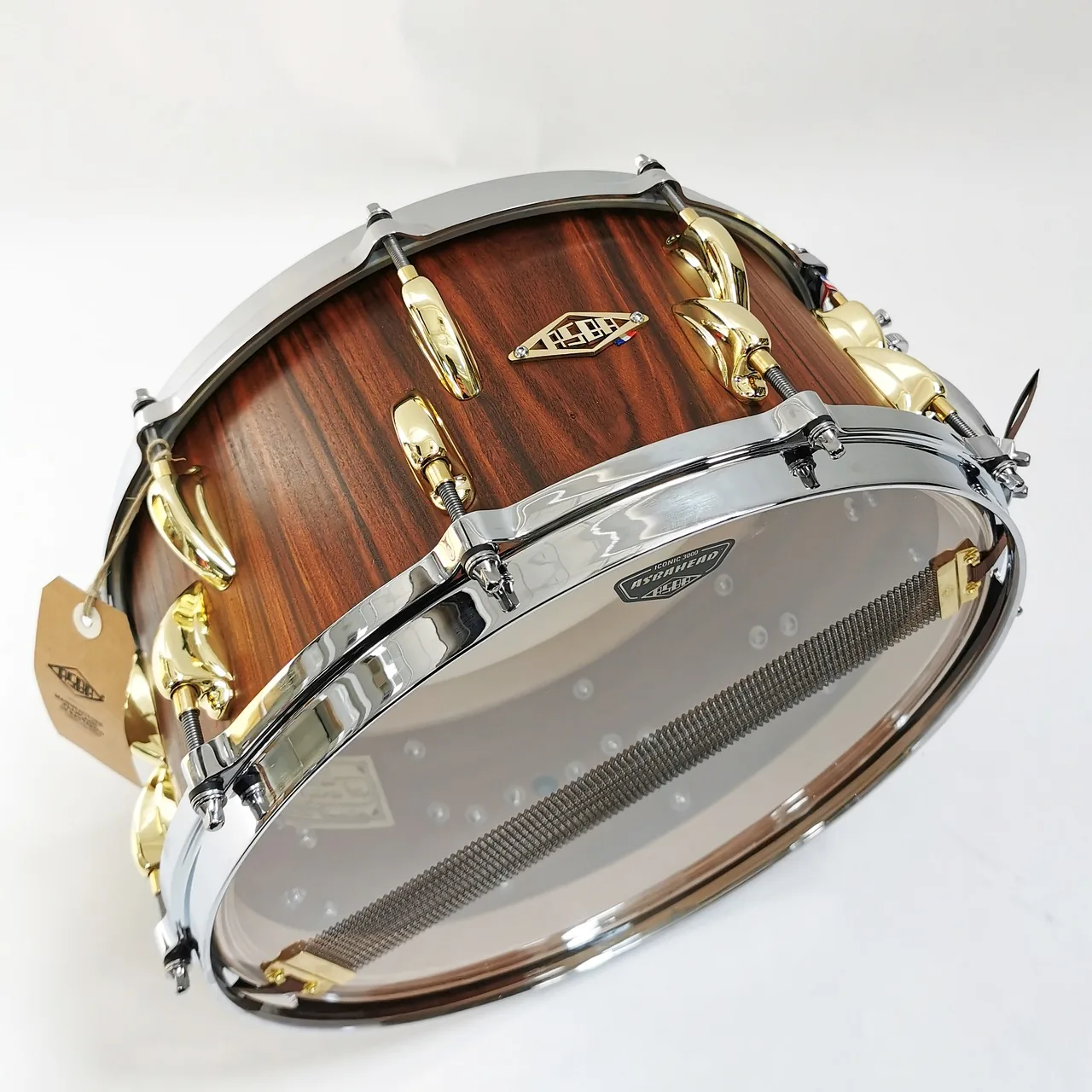
The snare drum is generally the centerpiece of an acoustic drum kit. It is played with drumsticks and produces a distinctive sound, often used to emphasize the strong beats of a piece.
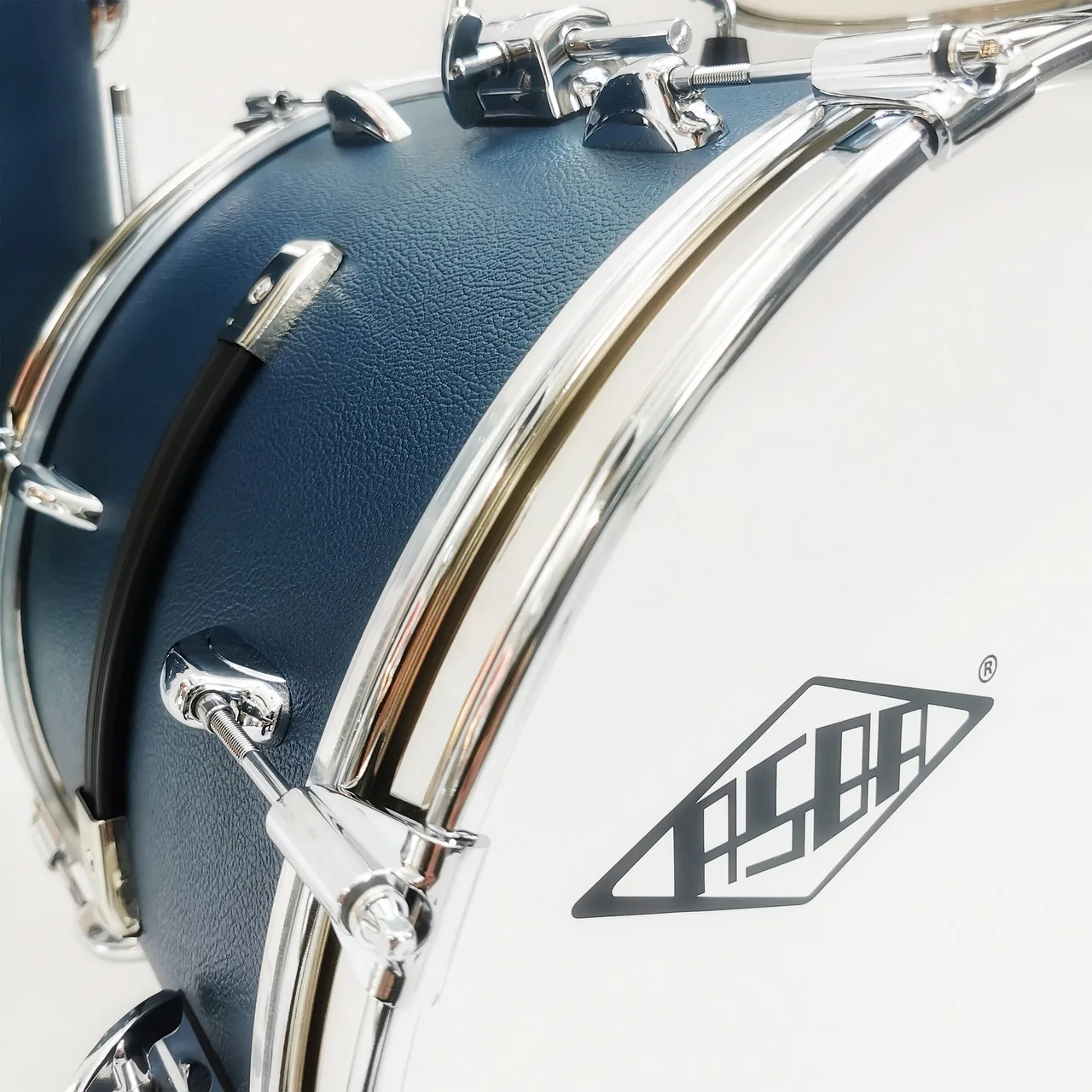
The bass drum, also known as the “kick drum,” is the largest component of an acoustic drum kit. It is played with a pedal and produces deep bass sounds that give the music power.
Toms are cylindrical components that produce higher-pitched sounds than the bass drum. They are often used to create drum rolls and varied rhythmic patterns.
Cymbals, meanwhile, are flat components that produce metallic sounds. They can be played with drumsticks or mallets and are used to add texture and expression to the music.
When creatively combined, these different components of an acoustic drum kit can produce a wide variety of unique rhythms and sounds.
The acoustic drum kit is the traditional and classic form of the drum kit. It produces rich and varied sounds through its different components, including the snare drum, bass drum, toms, and cymbals.
The electronic drum kit
The electronic drum kit is a modern form of the drum kit that offers many advantages over an acoustic drum kit. It consists of different components such as pads, triggers, sound modules, and electronic pedals.
Pads are pressure-sensitive surfaces that replace acoustic drumheads. Triggers are sensors placed beneath the pads that detect strikes. Sound modules are electronic instruments that produce drum sounds. Electronic pedals are used to control the bass drum and hi-hat pads.
One of the main advantages of the electronic drum kit is its ability to produce a wide range of unique drum sounds. Drummers can easily modify these sounds using the sound module’s settings, allowing them to customize their sound and create unique audio effects.
| Pads | Triggers | Sound modules | Electronic pedals |
|---|---|---|---|
| Pressure-sensitive surfaces that replace acoustic drumheads | Sensors placed beneath the pads that detect strikes | Electronic instruments that produce drum sounds | Used to control the bass drum and hi-hat pads |
In addition, the electronic drum kit is often more compact than an acoustic drum kit, making it easier to transport and set up in confined spaces. It also offers the option of playing with headphones, allowing drummers to practice without disturbing others.
However, some drummers prefer the acoustic drum kit because of its appearance and more organic playing feel. Moreover, an electronic drum kit can sometimes lack the dynamics and responsiveness offered by an acoustic kit.
In conclusion, the electronic drum kit offers many advantages, including the ability to customize drum sounds and play in confined spaces. However, it may not suit every drummer because of its reduced dynamics and different playing feel.
Percussion instruments
A drum kit is not limited to the snare drum, bass drum, toms, and cymbals. Percussion instruments can also play an important role in creating distinctive rhythms and sounds.
The percussion instruments most commonly used with a drum kit include congas, bongos, tambourines, and shakers. Congas are drums of Cuban origin that produce a deep, percussive sound. Bongos, which also originated in Cuba, have a higher-pitched sound and are often used to add texture to drum rhythms. Tambourines and shakers, meanwhile, are handheld percussion instruments that add color and brilliance to a performance.
By adding percussion instruments to your drum kit, you can bring a unique touch to your performances and create varied and interesting rhythms.
Cymbals
Cymbals are key components of a drum kit and are used to add different and interesting sounds to performances. There are several types of cymbals, each with its own distinctive sound.
| Type of cymbal | Use |
|---|---|
| Hi-hat | Used for hi-hat rhythms and grooves |
| Ride | Used for drum solos and softer passages |
| Crash | Used for transitions and dramatic accents |
| Splash | Used for sound effects and subtle accents |
Each type of cymbal can be played in different ways to produce a variety of sounds. For example, the way a cymbal is struck can alter its tone and resonance. Drummers can use different techniques, such as rolls, sweeps, and choke strokes, to create unique sounds.
Cymbals can also be combined with other drum-kit instruments to create interesting rhythms and patterns. For example, a classic rock rhythm often combines a bass drum beat with a hi-hat rhythm. Drummers can also alternate between different types of cymbals to add variety to their performances.
Image alt tag: drum cymbals
The importance of each instrument in the drum kit
Each instrument in the drum kit plays a crucial role in creating a cohesive and expressive rhythm. The drummer must be able to control each component to achieve the desired sound.
The snare drum is often considered the heart of the drum kit. It produces a crisp, precise sound that serves as a reference point for the rest of the music. The bass drum, meanwhile, provides the depth and power needed for the rhythmic structure. The toms add color and creativity to performances, while the cymbals provide a variety of sounds that can emphasize strong beats and transitions.
Each instrument in the drum kit interacts with the others to create a cohesive whole. The most talented drummers know how to control each component to express their own style and musical personality.
“The drums are the backbone of the music. When you play the drums, you command the pulse of the entire composition.” — Jack DeJohnette
In short, every instrument in the drum kit is crucial to creating a captivating musical performance. The drummer must be able to control each component with precision and creativity.
Different drum-kit configurations
As a drummer, your choice of instruments and their placement within your drum kit can vary considerably depending on your musical style and personal preferences. It is important to find the configuration that best suits your playing style.
The most common drum-kit configurations include:
| Configuration | Description |
|---|---|
| 4-piece drum kit | This configuration includes a snare drum, a bass drum, and two toms. It is a popular configuration among rock and pop drummers. |
| 5-piece drum kit | This is an extension of the 4-piece drum kit, with an additional tom. This configuration is also popular among rock and pop drummers. |
| Jazz drum kit | A jazz drum kit generally consists of a snare drum, a bass drum, a floor tom, and one or two cymbals. This configuration allows jazz drummers to play complex and subtle rhythms. |
| Fusion drum kit | A fusion drum kit is a configuration that combines elements of jazz and rock drum kits. It may include additional cymbals and floor toms of different sizes. |
There are also more specialized configurations for specific styles of music, such as the hip-hop drum kit, which may include additional percussion instruments to create more percussion-focused rhythms.
Each drum-kit configuration has advantages and disadvantages. It is important to understand them before deciding which configuration best suits your playing style and your music.
Conclusion
In conclusion, the drum kit is a complex collection of musical instruments that work together to produce unique rhythms and sounds. Each instrument, whether a snare drum, bass drum, cymbal, or percussion instrument, makes an important contribution to the overall performance.
Acoustic and electronic drum kits each offer unique advantages and possibilities, while cymbals add texture and expression. Different drum-kit configurations allow the instrument to be adapted to various musical styles and personal preferences.
By exploring the musical instruments that make up the drum kit, we can see how they work together to create a cohesive and captivating musical performance. Understanding the importance of each component is essential to improving our appreciation of music and our ability to create it ourselves. Thank you for reading our comprehensive and detailed guide to the drum kit and the musical instruments that make it up.