
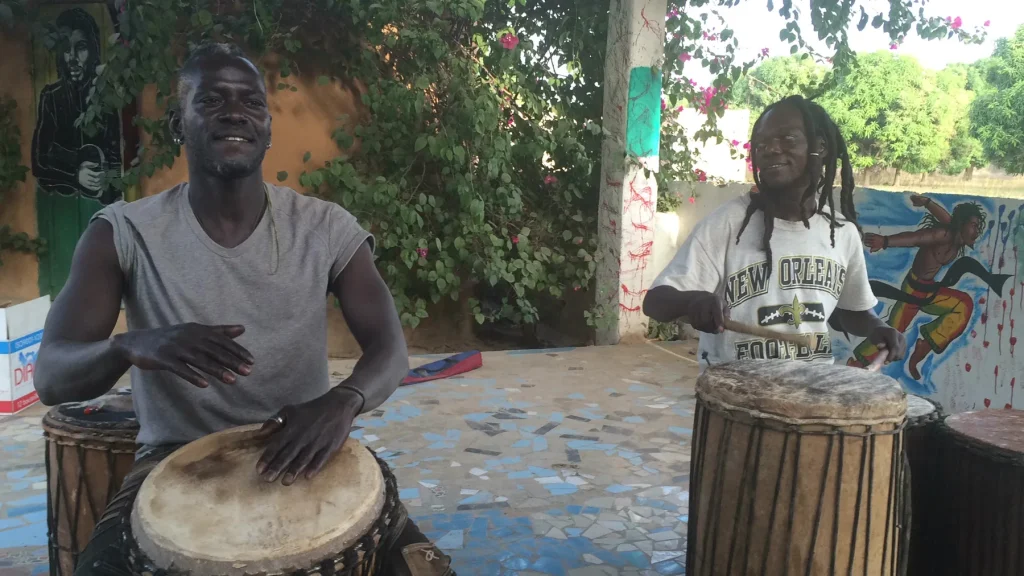
The djembe is a versatile African percussion instrument that plays a central role in various musical styles. Its ability to blend into different ensembles makes another instrument a great instrument to pair with the djembe.
This article explores musical instruments that can accompany the djembe. These may be percussion, string, or wind instruments.
African percussion instruments such as the balafon and talking drums are iconic. By combining the djembe with instruments such as Dum Dums, congas, and bongos, musicians create rich rhythmic ensembles. This blending of styles highlights the importance of the djembe in percussion sections.
The versatility of the djembe in modern music
The djembe, which originated in West Africa, is known for its versatility. It adapts to many musical styles, from traditional melodies to modern rhythms, making it an essential part of numerous groups.
The role of the djembe in different musical genres
The djembe brings unique energy to jazz, funk, and Afrobeat. Its role is crucial in highlife and calypso, where it blends African and modern sounds. Fela Kuti and Harry Belafonte incorporated the djembe into their music, making the instrument indispensable.
The varied sounds the djembe can produce
The djembe can produce a wide variety of sounds, ranging from low bass notes to high tones. This sonic richness makes it an essential instrument in modern music. It is used in both traditional rituals and concerts, enriching compositions and stirring powerful emotions.
| Musical genre | Strong influence | Use of the djembe |
|---|---|---|
| Afrobeat | Complex rhythms | Main component of the grooves |
| Jazz | Improvisation | Innovative rhythmic support |
| Calypso | Festive atmosphere | Creates a relaxed atmosphere |
| Highlife | Cultural blending | Creates lively rhythms |
The djembe transcends cultural boundaries and enriches modern music. Its adaptability and unique sounds make it a popular choice among musicians worldwide.
Musical instruments that can accompany the djembe
The djembe, an instrument of African music, harmonizes well with other instruments. It draws attention to the percussion instruments accompanying it. Together, they create captivating sounds.
The different types of percussion instruments
Percussion instruments play a key role alongside the djembe. They include:
- Dum Dums: add depth with their bass notes.
- Congas: provide a balanced sound.
- Bongos: add a light, rhythmic touch.
- Talking drums: enrich the listening experience.
- Maracas and tambourines: create a festive atmosphere.
Compatible traditional African instruments
The djembe harmonizes with many African instruments. These instruments add unique depth. They include:
| Instrument | Characteristics | Contrast with the djembe |
|---|---|---|
| Balafon | Wooden percussion instrument with bars | Produces harmonious tones |
| Doum Doum | Leather-headed bass drum | Complements the bass with heavy rhythms |
| Ngoma | Traditional African drum | Adds rhythmic nuances |
These instruments enrich the performance and demonstrate the djembe’s versatility. The harmony between percussion and African instruments creates a musical dialogue. This encourages artistic expression in many cultures.
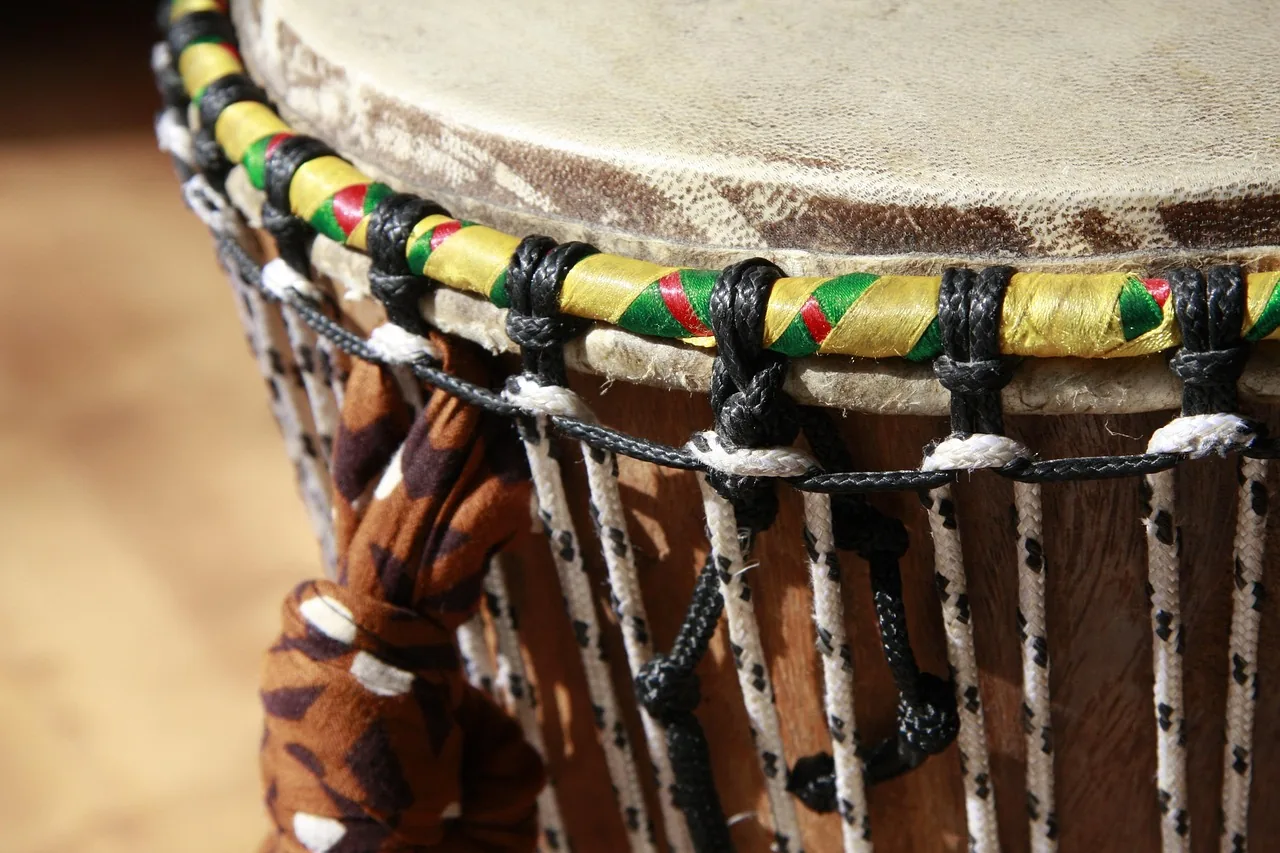
What other instruments can you play with the djembe?
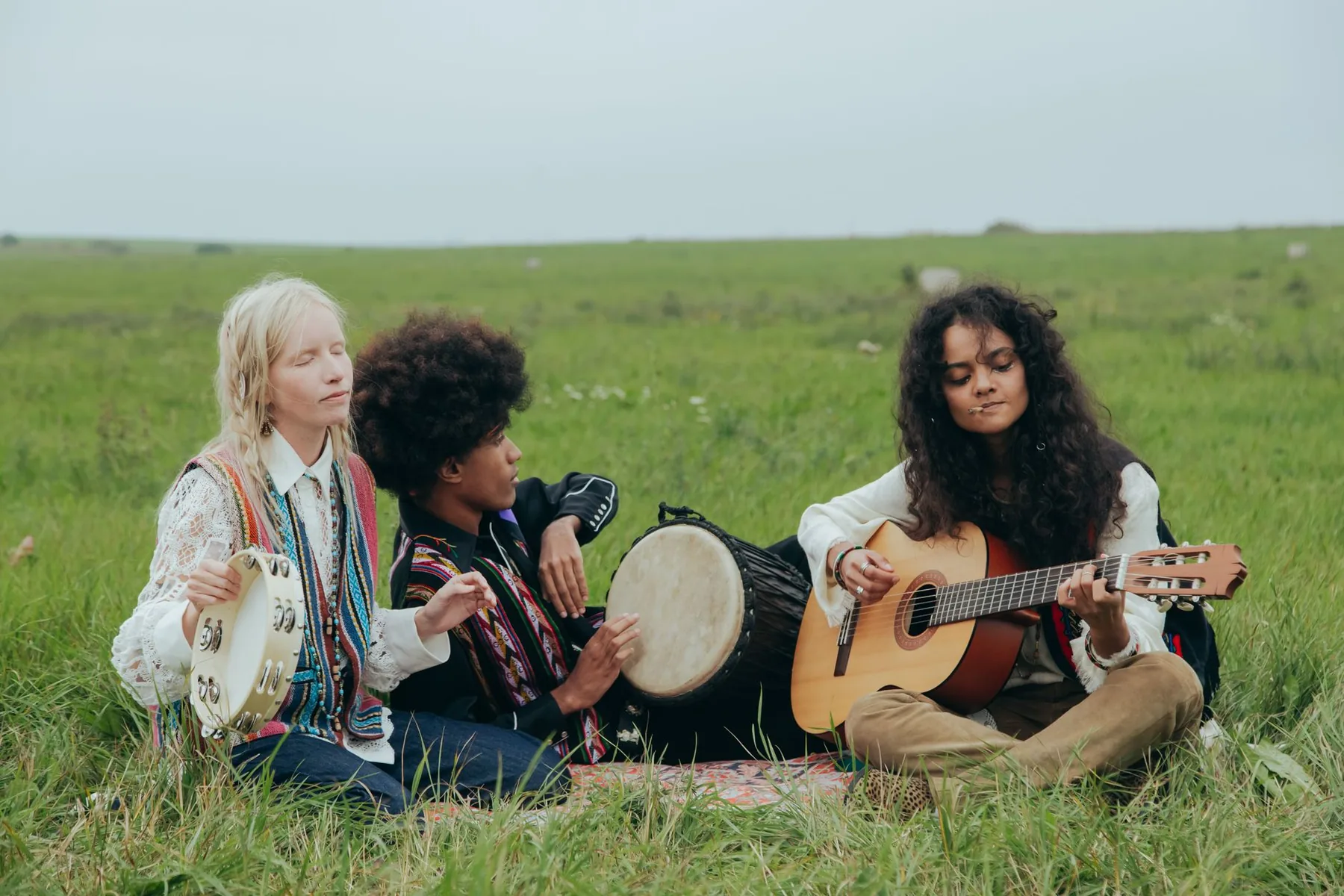
The djembe works well with different instruments. It pairs nicely with string instruments such as the guitar. This adds an interesting melodic touch to the music.
Djembe-and-guitar duos are highly varied. They range from folk to acoustic rock. Their blend of rhythm and melody is captivating.
Possible synergies with string instruments
The synergy between the djembe and guitar transforms rhythm into a unique listening experience. The djembe and guitar harmonize well. They create varied atmospheres suited to different musical styles.
Combinations of percussion instruments
The djembe can be played with other percussion instruments. Dum Dums and congas pair perfectly with it. Together, they create full and engaging rhythms.
Tambourines and maracas add even more texture. This allows musicians to produce many different sounds.
| Instrument | Type | Main characteristics |
|---|---|---|
| Djembe | Percussion | Sounds ranging from deep bass notes to bright high tones; rhythmic versatility |
| Guitar | Strings | Provides melodic chords and harmonizes with the djembe’s rhythm |
| Dum Dum | Percussion | Deep, resonant rhythms, often used to accompany the djembe |
| Conga | Percussion | Warm, mesmerizing sound that perfectly complements the djembe in Cuban music |
| Tambourine | Percussion | Adds a unique rhythmic texture and emphasizes the strong beats |
The best percussion options for a musical ensemble
Choosing the right percussion instruments is crucial for a musical ensemble. Dum Dums and congas pair perfectly with the djembe. They add rhythmic depth that makes the music more captivating.
Dum Dums and congas as allies of the djembe
Dum Dums provide a low tone, while congas contribute Latin rhythms. Together, they strengthen the rhythm and offer great expressiveness. Musicians use these instruments to create captivating melodies.
Integrating these instruments requires listening and coordination. This creates a unique musical synergy.
Maracas and tambourines to enrich the experience
Maracas and tambourines add delicate textures to the djembe. They make it possible to create sonic nuances. This enriches the performance and captivates the audience.
Online resources are available to help players improve their skills. Courses and tutorials explain how to use these instruments. For more information, read this article about learning the djembe.
| Instrument | Type | Use |
|---|---|---|
| Djembe | African drum | Traditional rhythms |
| Dum Dum | African drum | Rhythmic depth |
| Conga | Cuban drum | Latin rhythms |
| Maracas | Shaken instrument | Sonic texture |
| Tambourine | Percussion instrument | Accentuation |
Harmony between the djembe and other instruments
The harmony between the djembe and other instruments creates a unique sonic palette. Combining the djembe and guitar produces captivating guitar-djembe harmonies. These harmonies enrich music across many genres.
Harmonies created with the guitar
The guitar and djembe form a perfect duo. They play styles ranging from folk to jazz, creating varied atmospheres. Percussion instruments such as the djembe showcase the guitar’s chords and enrich the rhythms.
The musical dialogue between the djembe and brass instruments
The djembe also engages in a dialogue with brass instruments such as the trumpet and saxophone. These instruments add a vibrant touch to performances. Their melodies and the African rhythm create a unique musical experience.
| Instrument | Main characteristics | Role in accompanying the djembe |
|---|---|---|
| Guitar | Versatile string instrument | Creates rich harmonies |
| Trumpet | Bright-sounding wind instrument | Adds melodic accents |
| Saxophone | Mellow wind instrument | Enriches the musical dialogue |
Incorporating the djembe into varied musical ensembles
The djembe is unique because it adapts to many musical ensembles. In contemporary orchestras, it is essential for adding a distinctive rhythm. Its warm, powerful sound appeals to musicians, who often choose it for their performances.
The djembe in modern orchestras
Adding the djembe to modern orchestras enriches their sonic palette. Musicians use its notes to create balance with the other instruments. Jazz and funk have adopted the djembe, blending tradition and innovation.
Examples of ensembles combining the djembe with other instruments
Many musical ensembles incorporate the djembe. The instrument demonstrates its versatility across various styles. Here are a few examples:
- Folk groups that combine the djembe with acoustic guitars to create a warm atmosphere.
- Reggae ensembles that add the djembe to brass instruments such as trumpets and saxophones to create a captivating rhythm.
- Contemporary groups that combine the djembe with electronic instruments, offering a new musical experience.
The impact of the djembe on world music
The djembe has crossed borders and influenced music worldwide. It blends traditional and modern musical influences, thereby connecting cultures. Its adaptation to various genres demonstrates its impact on music.
Varied influences from traditional and modern music
The djembe has enriched music for more than twenty years. It combines with jazz, funk, and reggae to create new sounds. A 2016 Oxford University study shows its positive effect on cognitive connectivity.
This instrument improves sociability and active listening. It strengthens cultures’ relationships with the djembe.
Different cultures and their relationship with the djembe
Africa and the West have enriched music together. In Africa, learning the djembe is based on immersion. In the West, it is often taught by non-African teachers, which can alter cultural perceptions.
Modern theatrical performances regard the djembe as a “spectacular” element. In Africa, teaching it remains connected to cultural values. For more details, explore the relationship between the djembe and other instruments.
Conclusion
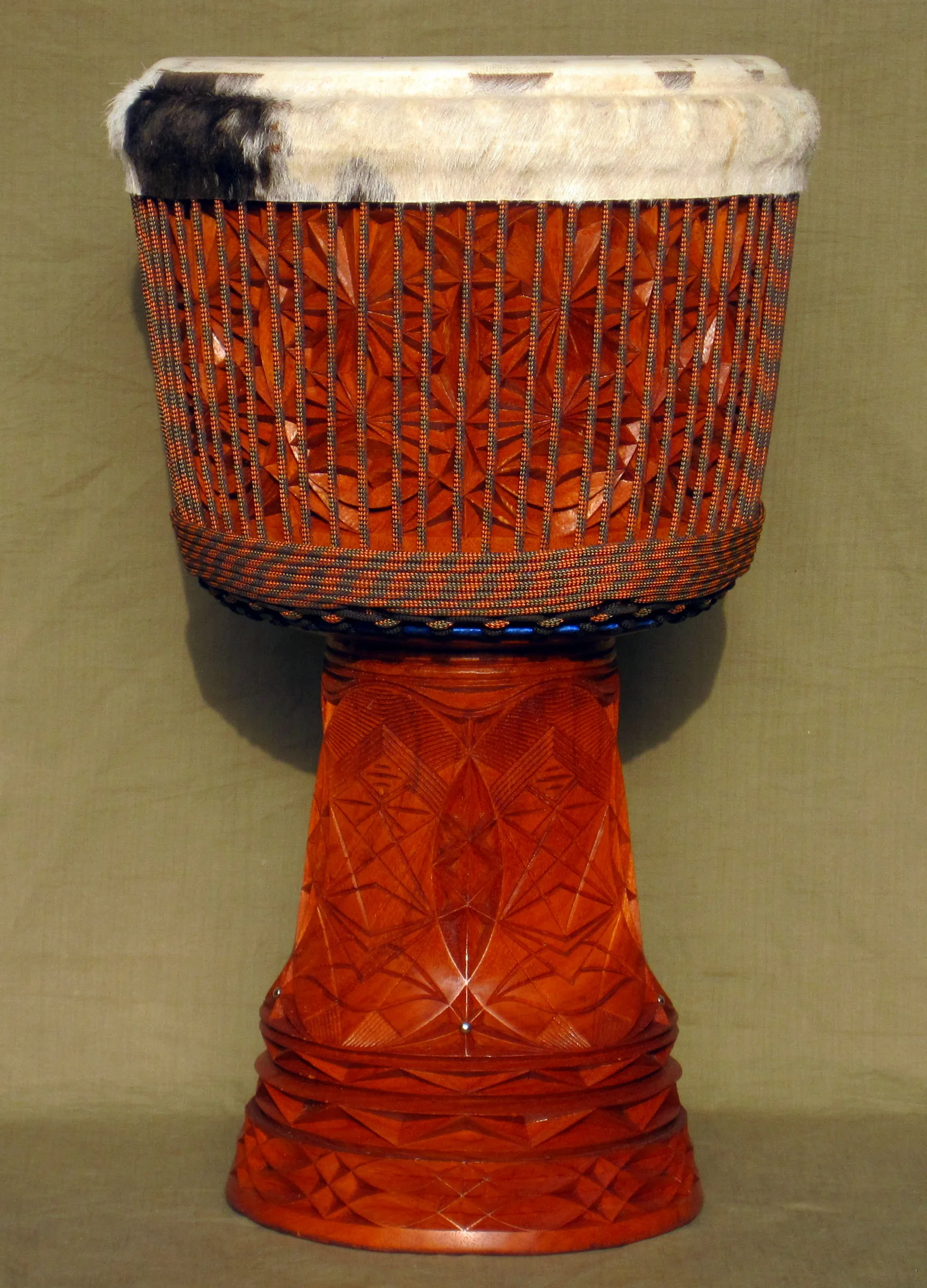
The djembe is a versatile instrument that harmonizes with many others, from percussion instruments to strings and brass. Its ability to blend different sounds enriches performances and provides a dynamic musical experience.
Originating in Mali and Senegal, this instrument attracts the attention of master djembefolas. They offer intensive courses to people who want to improve their skills. Participating in workshops or training courses is recommended for learning the djembe and other percussion instruments, such as the balafon and doundoun.
Online resources and music schools in West Africa provide opportunities to discover percussion music. Our overview of the djembe and other instruments emphasizes the importance of tuning and practice in producing clear, rich sounds.
To learn more about percussion music, read essential information about percussion instruments. You can also explore the contributions of drumming legends to the evolution of the djembe.
FAQ
What are the best instruments to pair with the djembe?
How does the djembe fit into different musical genres?
What types of percussion instruments accompany the djembe?
What harmony do the djembe and guitar create?
How do percussion instruments such as maracas and tambourines enrich the musical experience?
What are some examples of ensembles that incorporate the djembe?
What influence does the djembe have on world music?
Source links
- https://www.coreknowledge.org/wp-content/uploads/2016/11/THE-PERCUSSION-FAMILY.pdf
- https://instruments-du-monde.com/en-us/blogs/djembe/other-instruments-to-play-with-djembe
- https://instruments-du-monde.com/en-us/blogs/djembe/why-play-djembe
- https://www.laphil.com/people/weedie-braimah-and-the-hands-of-time
- https://www.historymuseum.ca/collections/artifact/1364061
- https://en.wikipedia.org/wiki/Djembe